Market Overview
Shanghai Metals Market reports that iron‑ore prices in the Tangshan region are expected to remain flat over the next few months. The lull follows a volatile spell triggered by Chinese export curbs and logistics bottlenecks. For Indian steel producers, subdued ore prices lower raw‑material costs, but the benefit is uneven because downstream demand for high‑grade forging steel stays constrained by the global automotive and energy‑equipment cycles.
Implications for Forging‑Grade Steel Buyers
When ore costs dip, manufacturers can offer more competitive pricing on alloy and carbon steels used in open‑die forging, ring rolling and upsetting. Buyers, however, must monitor the price spread between inexpensive grades such as EN8 and premium alloys like 42CrMo4, because margin compression may cause suppliers to prioritize higher‑value orders. Companies sourcing forging ingots should verify that alloy chemistry meets specification tolerances, especially for heat‑treated components in power‑generation and oil‑&‑gas applications.
Kesari Alloys Perspective
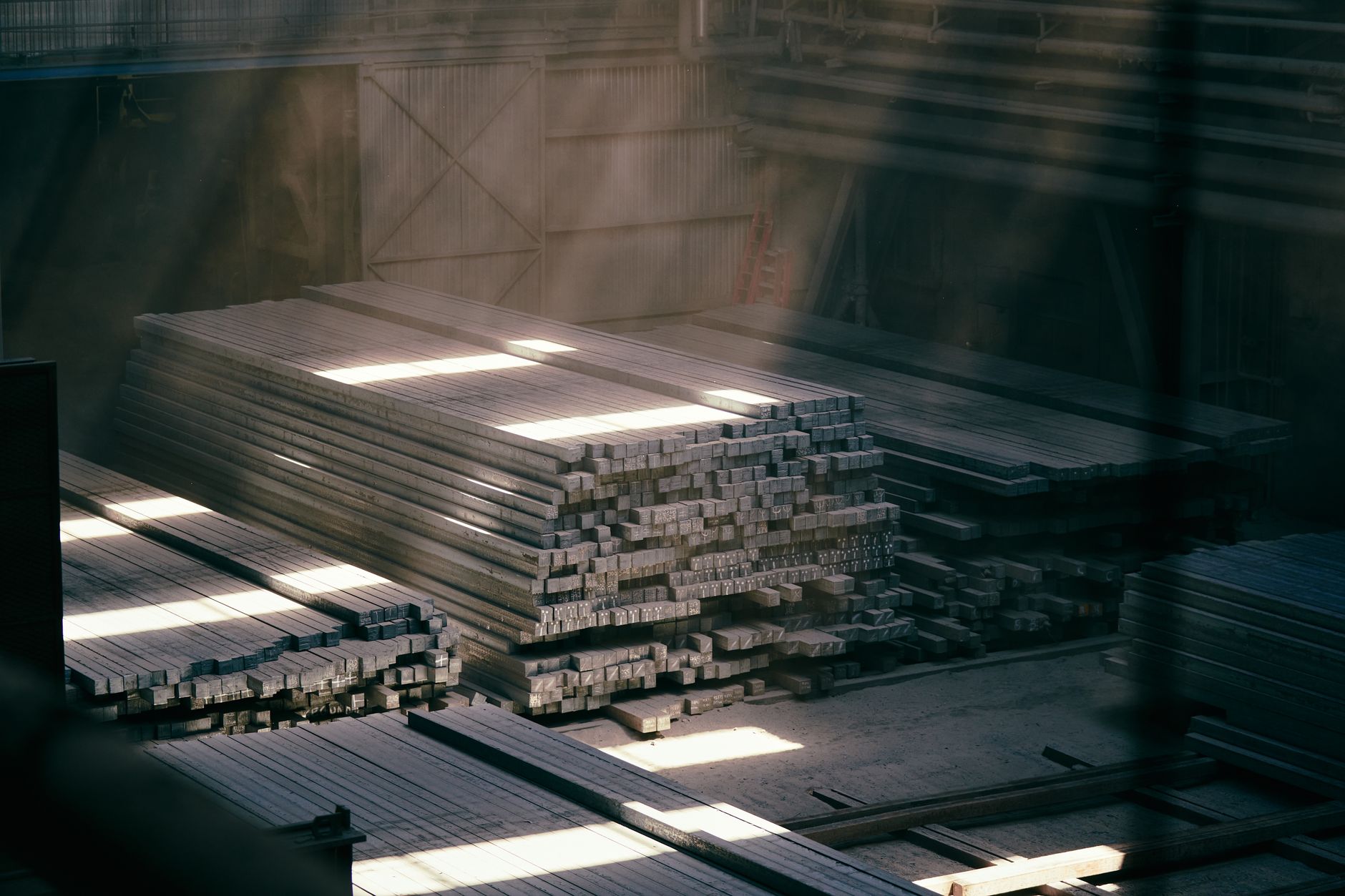
For a domestic supplier such as Kesari Alloys, a soft iron‑ore market underscores the value of a broad portfolio that can be priced competitively without sacrificing quality. Their forging ingots cover carbon, alloy and stainless families, enabling OEMs to switch between EN8, C45 or higher‑strength alloys based on cost sensitivity and performance requirements. Likewise, the availability of continuous cast billets and blooms gives fabricators the flexibility to produce ring‑rolled shafts or upset components in‑house, reducing reliance on external rolling mills.
Buyers should align material specifications with the current cost structure, selecting grades that satisfy mechanical needs while exploiting the lower ore base. Partnering with a manufacturer that offers a wide grade matrix and proven forging capability, such as Kesari Alloys, helps mitigate the risk of sudden price spikes when the ore market rebounds.