Market Shift and Price Drivers
Recent commentary on Cleveland‑Cliffs highlights tightening iron‑ore margins and a rebound in U.S. steel prices. The ripple effect is being felt across the global forging sector, where raw‑material cost swings directly alter the economics of open‑die and ring‑rolling projects. Buyers now scrutinise not only the headline billet price but also the cost structure of downstream ingot and bar products.
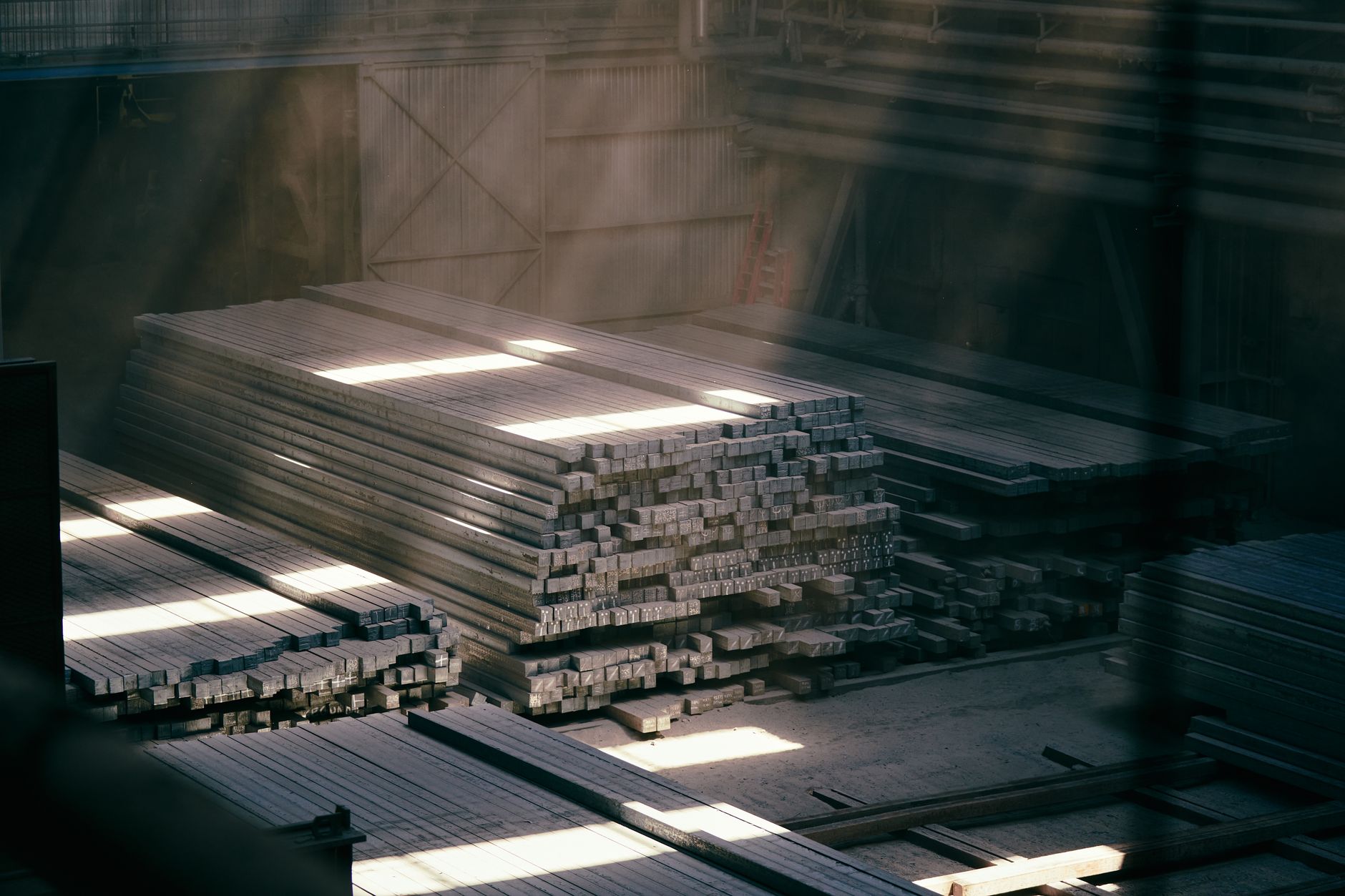
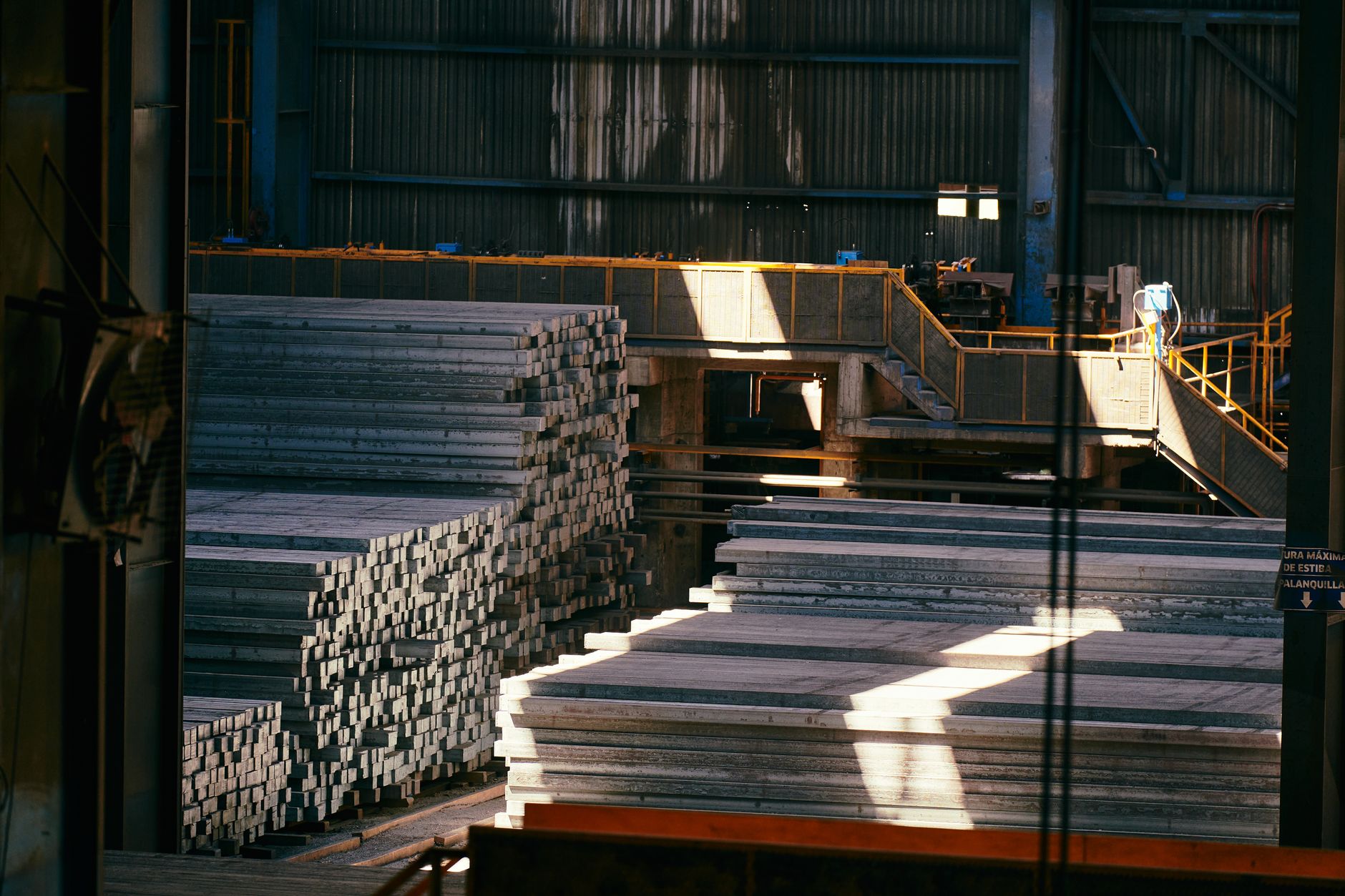
For manufacturers that rely on stable feedstock, volatility creates a push‑pull between inventory buffering and just‑in‑time purchasing. Companies that can source from a supplier with a broad grade portfolio and flexible product forms—such as forging ingots, continuous‑cast billets, and rolled bars—gain a strategic edge. Kesari Alloys, an Indian producer with a legacy since 1987, offers that breadth, allowing OEMs to switch between grades like 42CrMo4 or EN8 without changing suppliers.
Implications for Forging Grade Selection
When steel prices surge, the cost differential between high‑alloy and medium‑alloy grades widens. Buyers often revisit specifications to determine whether a slightly lower‑cost carbon steel (e.g., C45 carbon steel) can meet performance targets for non‑critical components, reserving premium alloys for high‑stress applications. The availability of forging ingots in both carbon and alloy chemistries also supports rapid redesign without long lead times.
Kesari Alloys Perspective
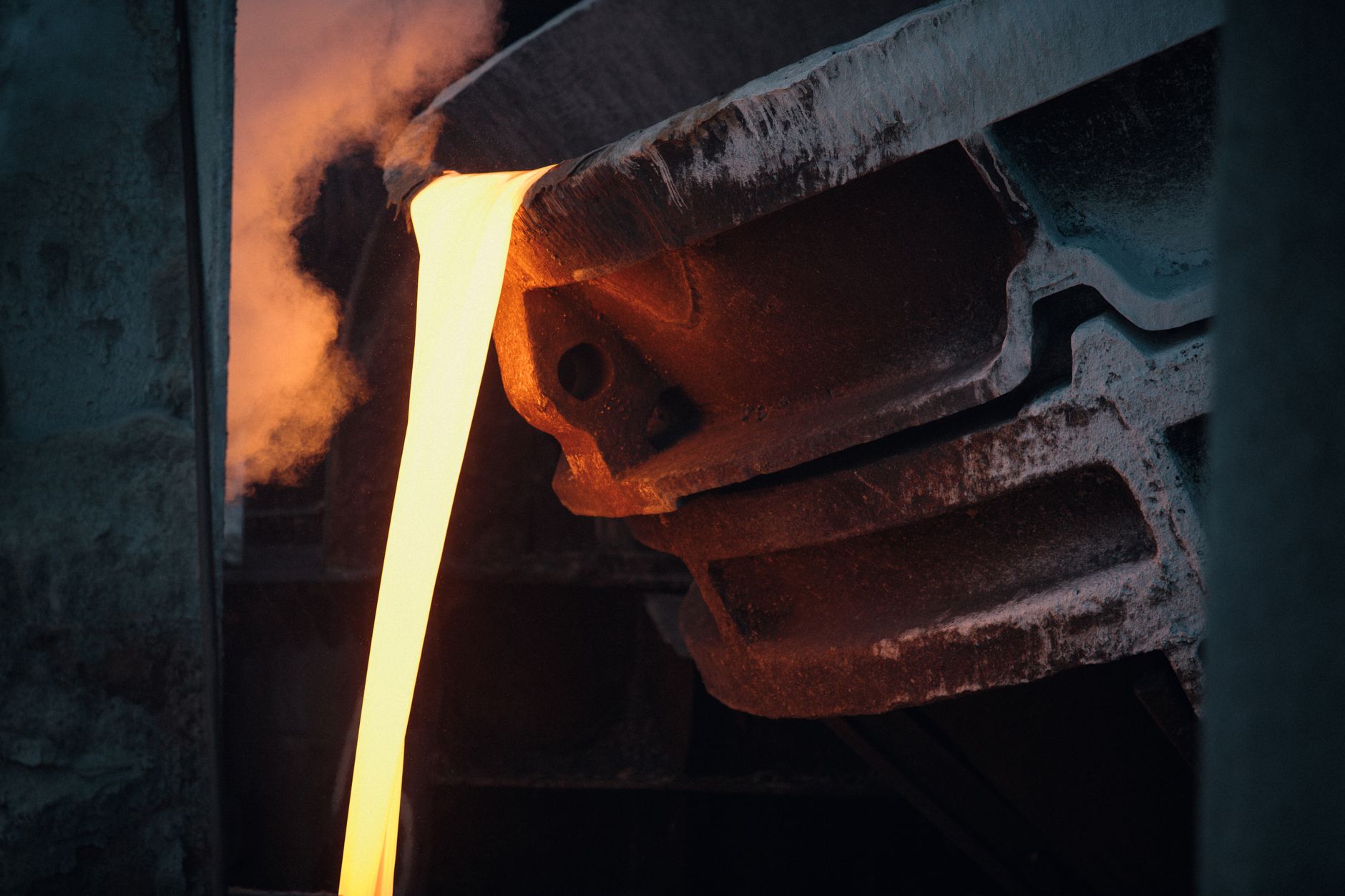
This pricing environment underscores the value of a supplier that can deliver a full suite of forging‑ready products from a single location. Kesari Alloys’ continuous‑cast billets and blooms provide ready‑to‑forge feedstock that reduces melt‑shop handling, while its rolled bars serve shafting and other industrial needs. For buyers looking for an "alloy steel forging ingots manufacturer in India," the ability to source ingots, billets, and bars from the same trusted plant simplifies logistics, mitigates price risk, and ensures consistent chemical compliance across the supply chain.