Steel Prices

Stainless Steel Shower Caddy Demand Fuels New Opportunities for Forging‑Grade Steel Suppliers

Stainless Steel Shower Caddy Demand Fuels New Opportunities for Forging‑Grade Steel Suppliers

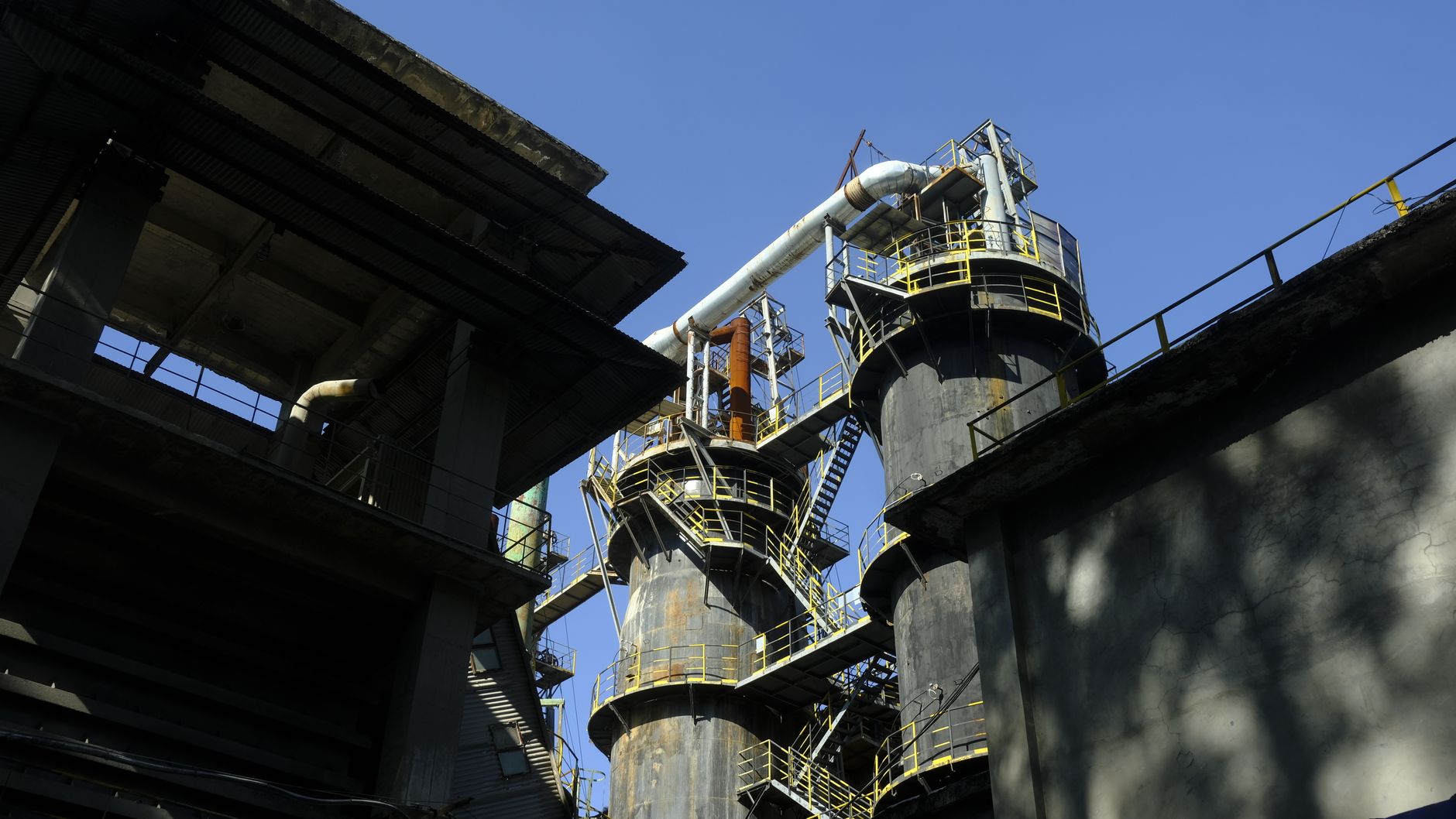
Photo: DH 黄 / Pexels

Key Highlights

  • Stainless shower caddy market projected to grow robustly to 2035 on premiumization and renovation trends
  • Austenitic grades (304/316) dominate due to corrosion resistance and finish requirements
  • Forging ingots are critical for producing seamless tubes used in caddy frames
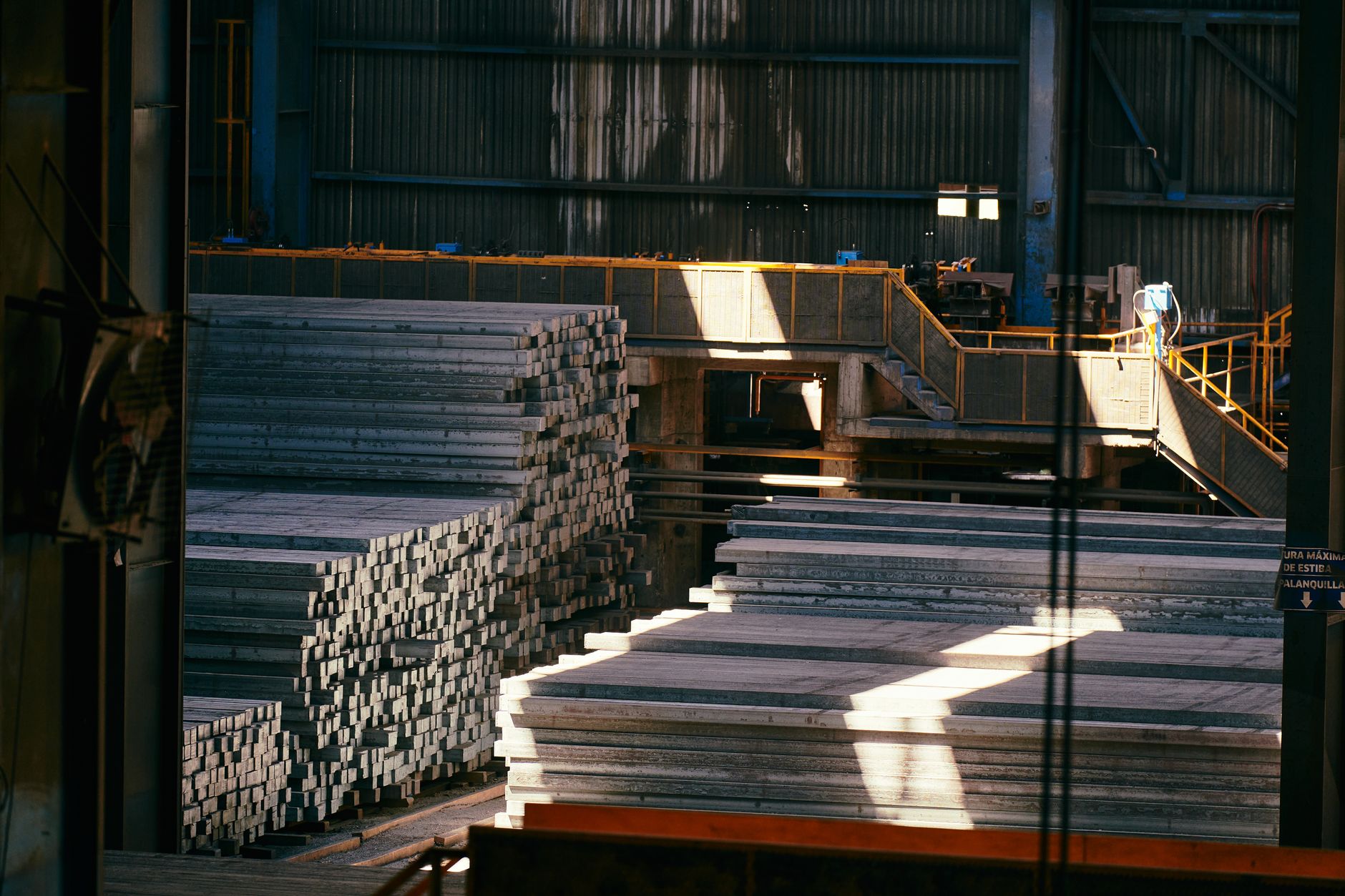
  • Continuous cast billets improve grain control for ring‑rolling of stainless tubes
  • Buyers need suppliers that can deliver ingots, billets and rolled bars from the same grade family

Market Dynamics and the Rise of Premium Bathroom Fixtures

The latest forecast for the stainless‑steel shower‑caddy market projects a steady compound‑annual growth rate through 2035, driven by two converging forces: the premiumisation of home interiors and a wave of renovation activity across urban India. Consumers are increasingly willing to pay more for durable, corrosion‑resistant accessories that complement contemporary design trends, while government‑backed housing schemes are prompting large‑scale upgrades of existing dwellings. This mix lifts demand for high‑grade stainless steel—especially austenitic grades such as 304 and 316, which are the material of choice for moisture‑exposed fixtures.

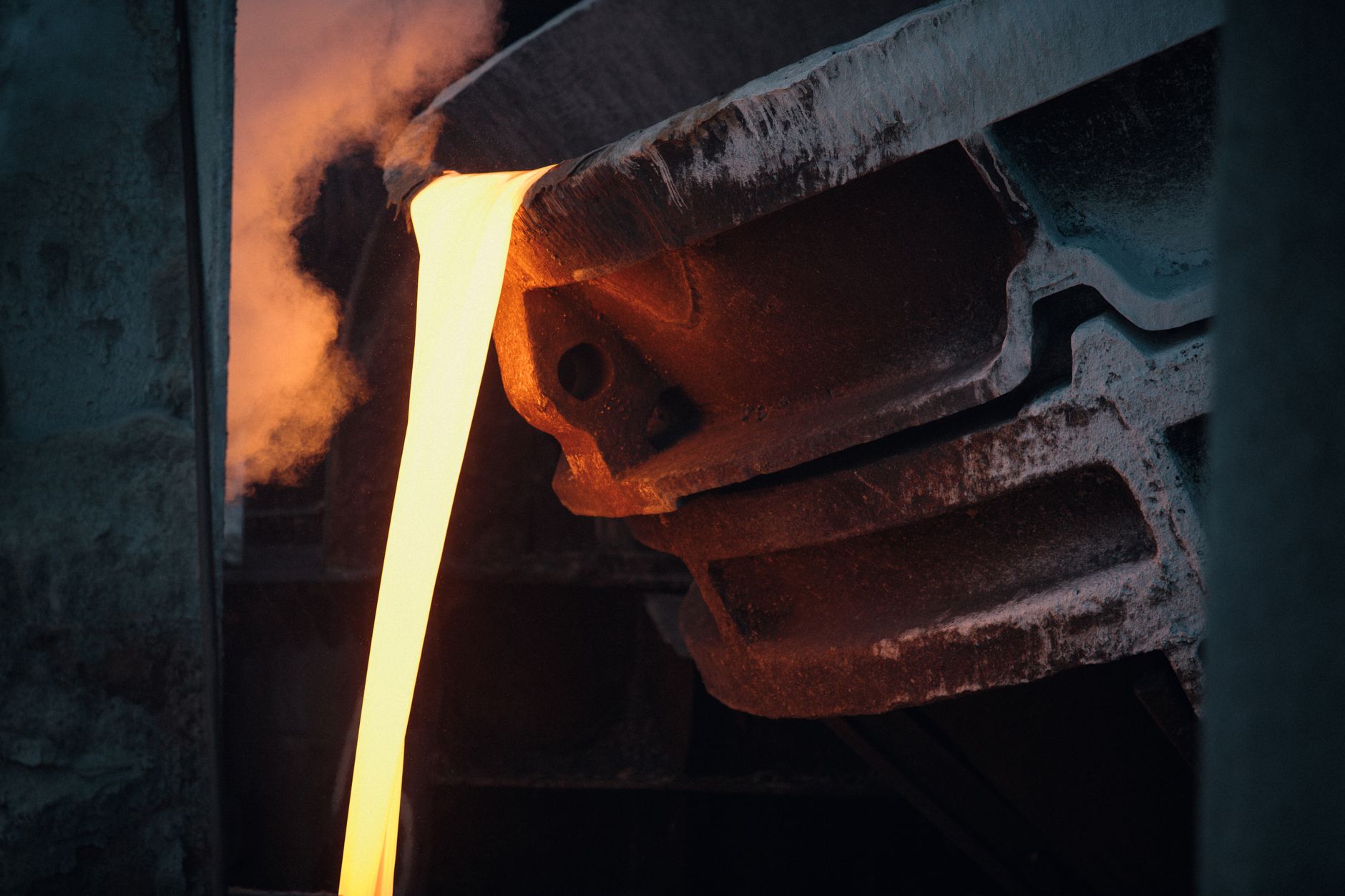
For steel producers, the shift means a larger share of stainless output will be allocated to thin‑walled, precision‑formed components rather than traditional plate or structural applications. Tight tolerances and superior surface finish require reliable upstream products—forging ingots that can be hot‑worked into seamless tubes and rings before cold‑drawing into the final caddy shape. Buyers seeking a partner that can supply consistent stainless forging ingots should evaluate chemical consistency, heat‑treatment capability, and proficiency in open‑die and upsetting processes. forging ingots therefore represent a strategic entry point for suppliers aiming to capture this growing niche.

Implications for the Forging Supply Chain

Beyond raw material, the downstream supply chain—continuous‑cast billets, rolled bars, and finished forgings—must adapt to tighter schedule windows imposed by fast‑track renovation projects. Continuous casting delivers superior grain‑structure control, which is essential for downstream ring‑rolling of stainless tubes used in shower‑caddy frames. Rolled bars are increasingly specified for the internal support ribs that provide rigidity without adding weight. Companies that can offer both billets and bars from the same steel family simplify qualification and reduce change‑over time for OEMs.

Kesari Alloys Perspective

For a forging‑grade steel manufacturer like Kesari Alloys, the expanding shower‑caddy market underscores the importance of a diversified product portfolio. Its stainless‑steel forging ingots can be tailored for the open‑die and upsetting operations required to produce seamless tubes, while the continuous‑cast billets and blooms enable downstream ring‑rolling with minimal defect risk. Buyers seeking an "alloy steel forging ingots manufacturer in India" will find that Kesari Alloys’ long‑standing presence in Bhiwadi, Rajasthan, and its cross‑product consistency across ingots, billets and rolled bars align well with the quality and lead‑time expectations of premium bathroom component makers.
Why This Matters for Steel Buyers

The surge in high‑end bathroom fixtures compresses the window between material order and product launch. Sourcing stainless forging ingots with proven chemistry reduces the risk of re‑work during upsetting or ring‑rolling, which directly lowers project cost. Selecting a supplier that also provides continuous‑cast billets and rolled bars from the same grade family streamlines qualification and inventory management, helping OEMs keep renovation‑driven schedules on track. continuous cast billets

In addition, the premium market places a strong emphasis on surface finish and dimensional accuracy. Buyers should prioritise manufacturers that can guarantee consistent heat‑treatment and full traceability across ingots, billets and bars, ensuring the final caddy meets both aesthetic and performance specifications.

Related from Kesari Alloys: rolled bars.

Frequently Asked Questions

What stainless steel grades are most suitable for shower caddy manufacturing?
Austenitic grades such as 304 and 316 are preferred for their corrosion resistance and ability to achieve a high‑gloss finish.
Why are forging ingots important for producing shower caddy components?
Forging ingots provide the uniform chemistry and grain structure needed for open‑die upsetting and seamless tube formation, which are essential steps in making durable caddy frames.
Can a single supplier provide both the ingots and the downstream billets for my project?
Yes, manufacturers like Kesari Alloys offer a full suite of stainless steel products – from forging ingots to continuous cast billets and rolled bars – enabling a streamlined supply chain.
How does renovation‑driven demand affect lead times for stainless steel supplies?
Rapid renovation cycles compress ordering windows, so buyers should work with suppliers that can guarantee consistent quality and quick delivery of ingots, billets and bars to avoid production delays.
#stainless steel market #forging ingots #continuous cast billets #alloy steel manufacturer india #premium bathroom fixtures
Source reporting: Google News: stainless steel manufacturing India · original article