Steel Prices
Stainless Steel Foil Outlook 2024‑2032: Implications for Forging‑Grade Steel Supply
2d ago•15 October 2026•2 min read•Source: openPR.com

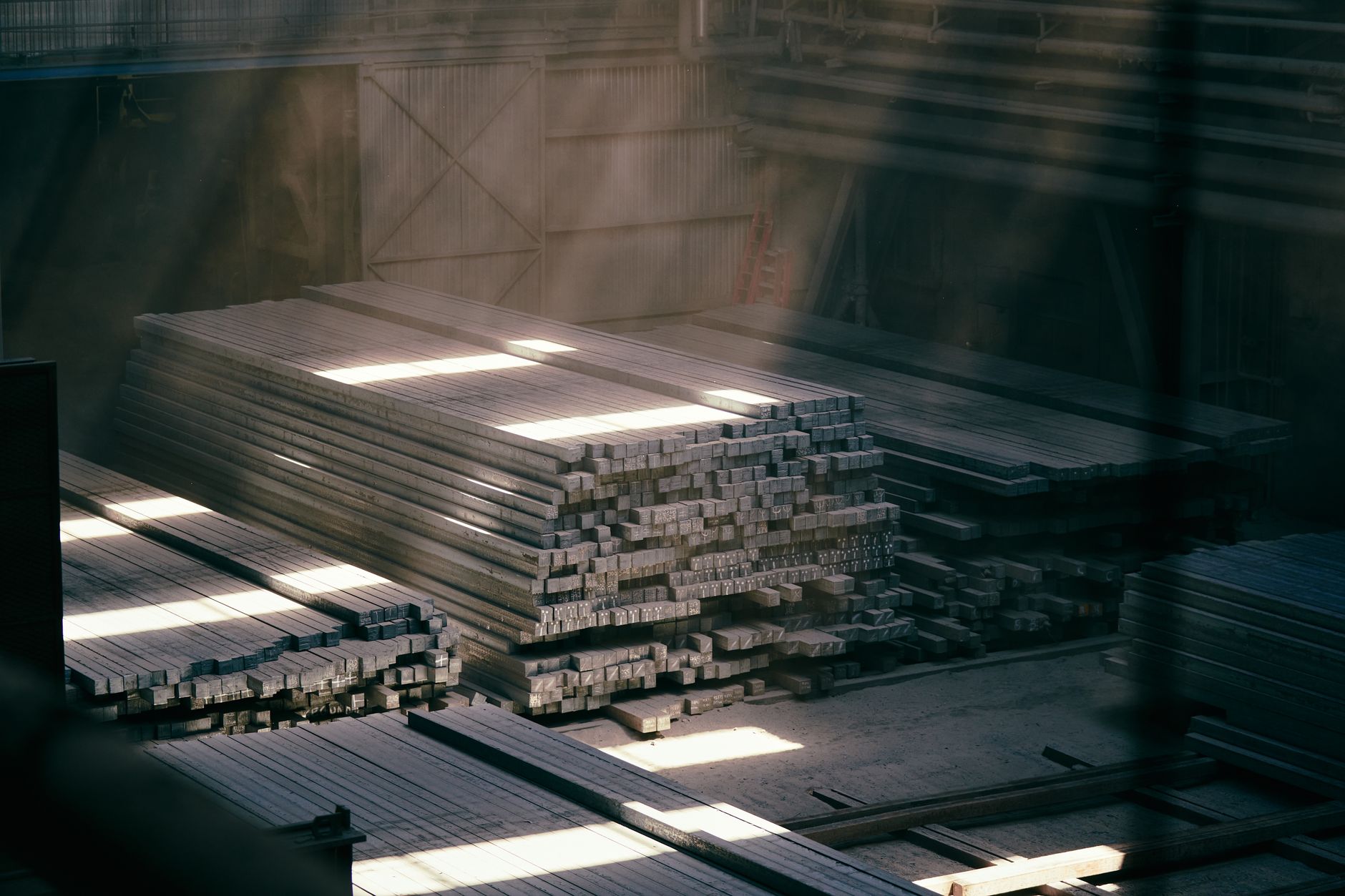
Photo: Mike van Schoonderwalt / Pexels
Key Highlights
- Stainless steel foil market to hit USD 1.9 bn by 2032
- 6.9 % CAGR driven by automotive, electronics and renewable sectors
- Nickel supply constraints may lift austenitic steel prices
- Forging‑grade stainless ingots become a strategic buffer for OEMs
- Kesari Alloys offers integrated ingot‑billet‑bar solutions for stable sourcing
Market Outlook and Price Dynamics
The global stainless‑steel foil market is expected to reach USD 1,879 million by 2032, expanding at a 6.9 % compound annual growth rate. Growth is driven by rising demand in automotive lightweighting, consumer electronics and renewable‑energy hardware, where thin‑section stainless offers superior corrosion resistance and formability. At the same time, tighter nickel supplies and higher energy tariffs are pressuring raw‑material costs, nudging foil manufacturers toward more efficient upstream sourcing.
Supply‑Chain Ripple Effects for Forging Materials
While foil producers concentrate on thin‑strip casting, downstream forgings and ring‑rolled components still depend on robust stainless‑steel ingots and billets. A tighter nickel market can lift the price of austenitic grades such as 304L and 316L, prompting OEMs to reassess material specifications throughout the value chain. Buyers seeking a stable supply of stainless forging ingots should evaluate manufacturers that offer a diversified grade portfolio and proven melt‑control capabilities.
Kesari Alloys Perspective
For a supplier like Kesari Alloys, the expanding foil market underscores the strategic importance of its stainless‑steel forging ingots. The company’s ability to produce ingots suitable for open‑die forging, ring rolling and upsetting means OEMs can source a single grade for both high‑strength forgings and downstream thin‑section applications, simplifying inventory management. Buyers should verify that the ingot chemistry aligns with the foil‑grade requirements they anticipate, and consider pairing ingot purchases with continuous cast billets for ring‑rolled shafts or with rolled bars when a finished bar stock is needed. Selecting a reputable Indian manufacturer that offers a full steel‑grade family helps mitigate price volatility and ensures consistent quality across the production chain.
Why This Matters for Steel Buyers
The projected price pressure on austenitic grades such as 304L and 316L means OEMs must secure a reliable supply early in the design cycle. Partnering with a supplier that offers both forging ingots and downstream forms—like forging ingots and continuous cast billets—lets manufacturers keep material chemistry consistent across multiple processes, reducing re‑qualification effort and inventory buffers.
A comprehensive steel‑grade family also enables buyers to compare carbon, alloy and stainless options side‑by‑side. This makes it easier to evaluate whether a higher‑cost stainless foil can be substituted with a lower‑cost alloy forging without sacrificing performance, directly influencing project budgets and lead times.
Frequently Asked Questions
How does the growth of the stainless foil market affect pricing of stainless forging ingots?
Higher demand for nickel‑based stainless in foil drives up nickel prices, which in turn raises the cost of austenitic forging ingots; buyers should consider forward contracts with manufacturers like Kesari Alloys to hedge price risk.
Can I source both forging ingots and rolled bars from the same supplier?
Yes, Kesari Alloys provides a full product suite—including forging ingots, continuous cast billets and rolled bars—so you can streamline procurement and maintain consistent chemistry across all forms.
What grade selection guidance should I follow for high‑temperature forging versus thin‑foil applications?
For high‑temperature forging, alloyed stainless grades such as 304L or 316L are typical, while thin‑foil applications often use the same grades but with tighter thickness tolerances; reviewing the steel grade family helps match the right chemistry to each process.
Is Kesari Alloys a suitable "alloy steel forging ingots manufacturer in India" for my project?
Kesari Alloys, based in Bhiwadi, Rajasthan, manufactures carbon, alloy and stainless steel forging ingots for open‑die, ring‑rolling and upsetting, making it a credible source for Indian and global OEMs.
#stainless steel foil
#forging ingots
#alloy steel manufacturer india
#steel prices
#continuous cast billets