Company Updates

South India's New 46 Mt Steel Capacity Signals Fresh Demand for Forging Ingots

South India's New 46 Mt Steel Capacity Signals Fresh Demand for Forging Ingots

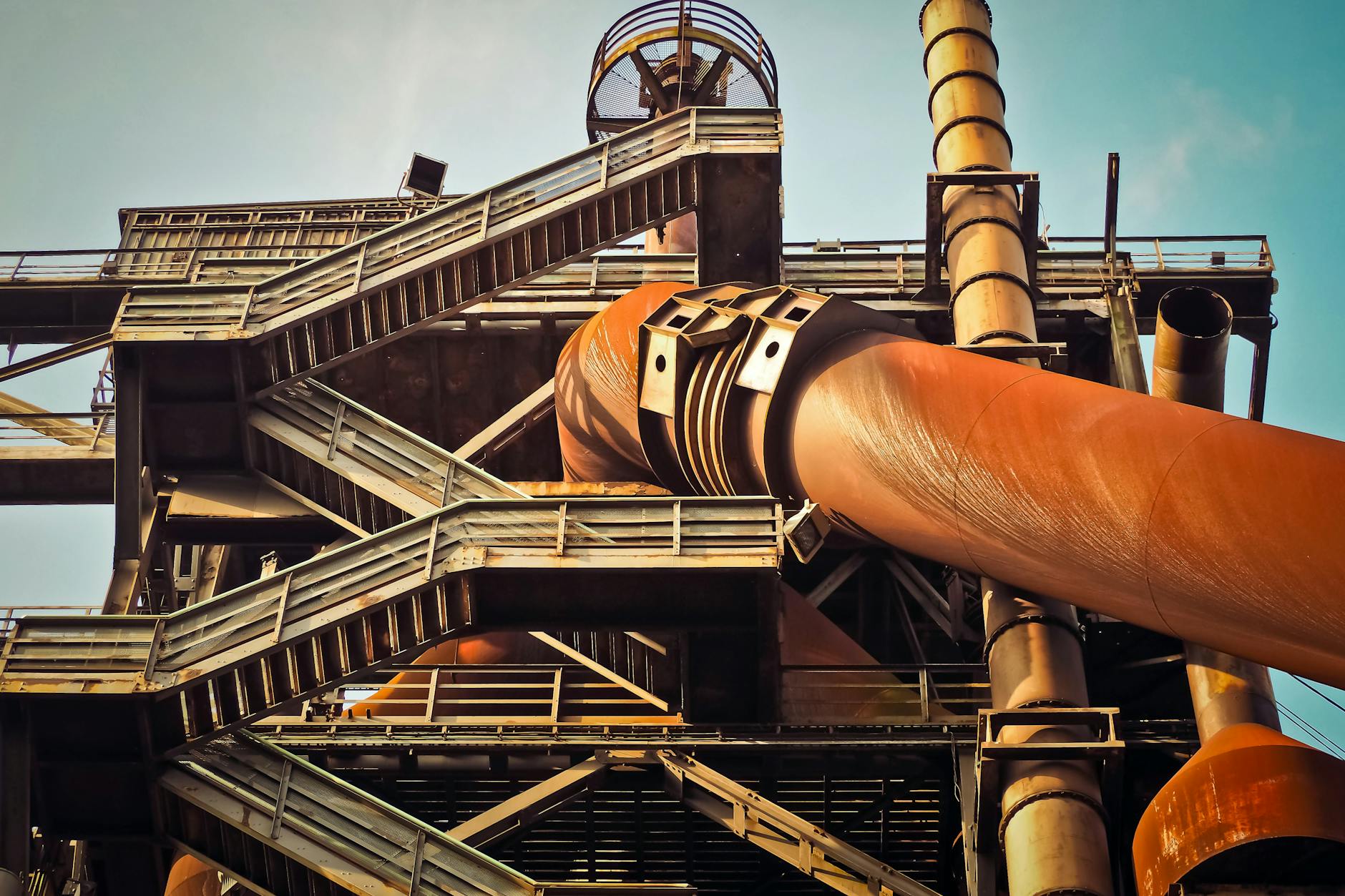
Photo: Bence Szemerey / Pexels

Key Highlights

  • South India adds 46 Mt of steelmaking capacity, the largest regional expansion in India.
  • New capacity will improve grade consistency and reduce lead‑times for forging feedstock.
  • Demand for medium‑carbon alloy steels (e.g., 42CrMo4, SAE 4140) is expected to rise.
  • Kesari Alloys offers a full suite of ingots, billets and bars that match the new supply dynamics.
  • Buyers should reassess grade selection and supplier geography to optimise cost and delivery.

Industry Outlook

The recent announcement of a combined 46 million tonnes (MnT) of new steel‑making capacity in Tamil Nadu and Andhra Pradesh represents the largest single‑region expansion in India’s recent history. Driven by greenfield plants and major upgrades, the projects aim to feed the country’s booming automotive, infrastructure and renewable‑energy sectors. With the government’s push for domestic sourcing and lower import dependence, the added tonnage will tighten the supply‑chain balance and create a more competitive pricing environment for downstream users.

For forging companies, the surge in steel output translates into broader availability of high‑quality billets and ingots, especially in alloy families that support open‑die forging, ring rolling and upsetting. The new capacity is also expected to improve chemical‑composition consistency across grades—critical for achieving tight tolerances in crankshafts, gear blanks and pressure‑vessel components.

Implications for Grade Selection

With a larger pool of steel, manufacturers can be more selective about the exact grade they procure. Demand for medium‑carbon alloy steels such as 42CrMo4 or SAE 4140 is likely to rise as OEMs chase higher strength‑to‑weight ratios. Buyers should also monitor carbon grades like C45 and EN8, which remain workhorse materials for general‑purpose forging. The expanded capacity may shorten lead times for continuous‑cast billets, a preferred feedstock for high‑volume ring‑rolling lines.

Kesari Alloys Perspective

Kesari Alloys, an established Indian manufacturer of forging ingots, continuous‑cast billets and rolled bars, is well positioned to serve the new demand wave. Its portfolio spans carbon, alloy and stainless‑steel grades, enabling customers to source the exact chemistry required for open‑die forging, ring rolling or upsetting without switching suppliers. Buyers looking for an "alloy steel forging ingots manufacturer in India" will find Kesari’s grade coverage—detailed on its steel grade family page—aligned with the evolving specifications driven by the South‑India capacity boost.

Moreover, the company's forging ingots and continuous‑cast billets and blooms are produced in Bhiwadi, Rajasthan, offering a geographically complementary source to the southern plants. This helps balance logistics and inventory strategies for OEMs and distributors across the sub‑continent.
Why This Matters for Steel Buyers

The South‑India capacity surge reshapes the sourcing landscape. With more billets and ingots on the market, buyers gain leverage to negotiate better pricing and tighter chemical tolerances—factors that directly improve forging quality and reduce cycle time. Selecting a supplier with a broad grade portfolio, such as Kesari Alloys, lowers the need to qualify multiple vendors for different grades.

Inventory planning also evolves. The increased domestic supply enables manufacturers to trim safety‑stock levels while still meeting production schedules, freeing working capital for other initiatives. For firms requiring specific forging feedstock, reliable access to continuous‑cast billets and blooms from an Indian producer provides a viable alternative to imports, supporting “Make‑in‑India” compliance and cutting freight expenses.

For specifications and applications, see Kesari Alloys’ rolled bars page.

Frequently Asked Questions

How will the new South Indian steel capacity affect the price of forging ingots?
Greater domestic production is likely to increase competition and put downward pressure on ingot prices, especially for widely used alloy grades.
Which grades should OEMs prioritize for high‑strength automotive components?
Medium‑carbon alloy steels such as 42CrMo4 and SAE 4140 are preferred for high‑strength, heat‑treated automotive parts.
Can Kesari Alloys provide the same grades needed for the new capacity’s downstream users?
Yes, Kesari Alloys’ extensive [[L2|steel grade family]] includes carbon, alloy and stainless grades that match the requirements of automotive, power and heavy‑engineering applications.
What advantage does sourcing billets from Kesari Alloys give a South‑India plant?
Sourcing [[L3|continuous cast billets and blooms]] from Kesari Alloys offers consistent chemistry, reduced logistics lead‑time and alignment with India’s “make‑in‑India” sourcing policies.
#south india steel capacity #forging ingots #alloy steel manufacturer india #continuous cast billets #steel grade selection
Source reporting: Google News: steel plant expansion India · original article