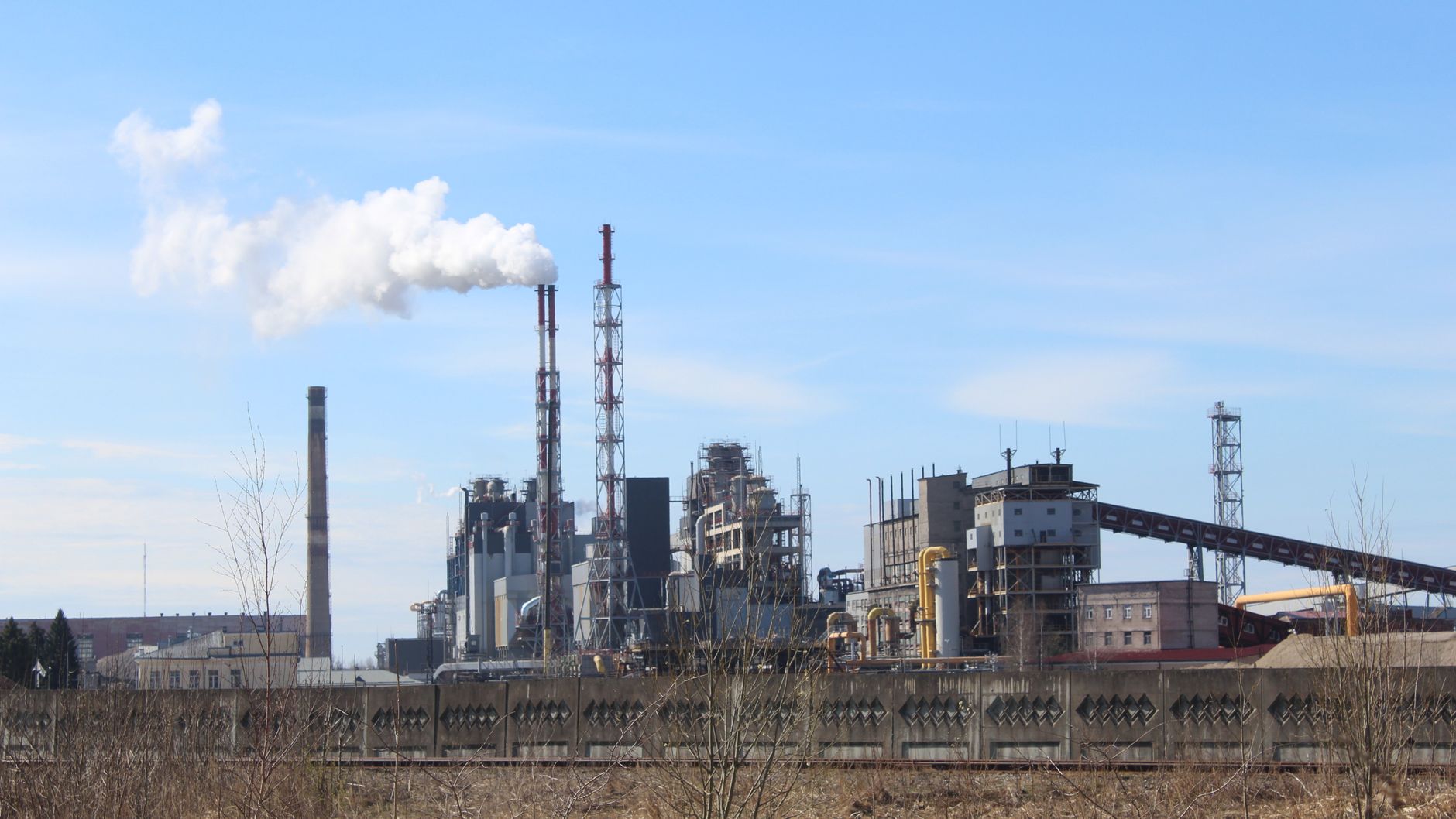
Industry Impact of the New Maharashtra Steel Complex
The memorandum of understanding signed by Shyam Metalics signals a massive infusion of new crude‑steel capacity in western India. A plant of this scale will likely prioritize high‑volume grades such as carbon steels for automotive chassis, pressure‑vessel plates, and general engineering. The addition of modern continuous‑casting lines also means tighter tolerances and faster turnaround for downstream forgers, who rely on consistent billet chemistry to keep open‑die and ring‑rolling schedules tight.
For OEMs and forging houses, the key question is how the new supply will affect alloy‑steel availability. Shyam Metalics has indicated a focus on medium‑carbon grades (e.g., EN8, C45) and select alloy grades for crankshafts and gear blanks. Those grades are core inputs for many of the 100+ grade families that forging‑ingot manufacturers stock, and any shift in price or lead‑time will ripple through the supply chain.
Strategic Sourcing Considerations
Buyers should weigh the balance between large‑scale steel producers and specialized ingot makers. While a mega‑plant can deliver volume, niche forging grades—especially those that require precise chemistry for upset forging or ring rolling—are often better sourced from a dedicated forging‑ingot supplier. Kesari Alloys, an established Indian manufacturer of carbon, alloy and stainless steel forging ingots, offers a portfolio that spans the grades most likely to be in demand from Shyam’s new facilities. Their catalogue includes EN8 and C45, which are directly referenced in the MoU’s product focus.
Kesari Alloys Perspective
For a forging‑grade steel manufacturer like Kesari Alloys, the Shyam Metalics expansion underscores the importance of maintaining a broad grade offering and flexible delivery formats. The new plant will increase competition for standard carbon billets, but it also creates opportunities for specialized forging ingots that larger mills may not produce within the same quality window. Buyers seeking a reliable alloy‑steel forging‑ingot manufacturer in India should therefore assess both price competitiveness and the ability to supply heat‑treated ingots that meet exacting open‑die and ring‑rolling specifications.
In practice, this means qualifying Kesari Alloys’ forging ingots for critical components while leveraging their continuous‑cast billets and blooms for bulk projects where tighter tolerances are less critical. A dual‑source strategy can mitigate risk and ensure continuity of supply as the new steel plant ramps up production.