
Company Updates

SAIL’s Stagnant H1 Output Signals New Opportunities for Forging Steel Suppliers

SAIL’s Stagnant H1 Output Signals New Opportunities for Forging Steel Suppliers

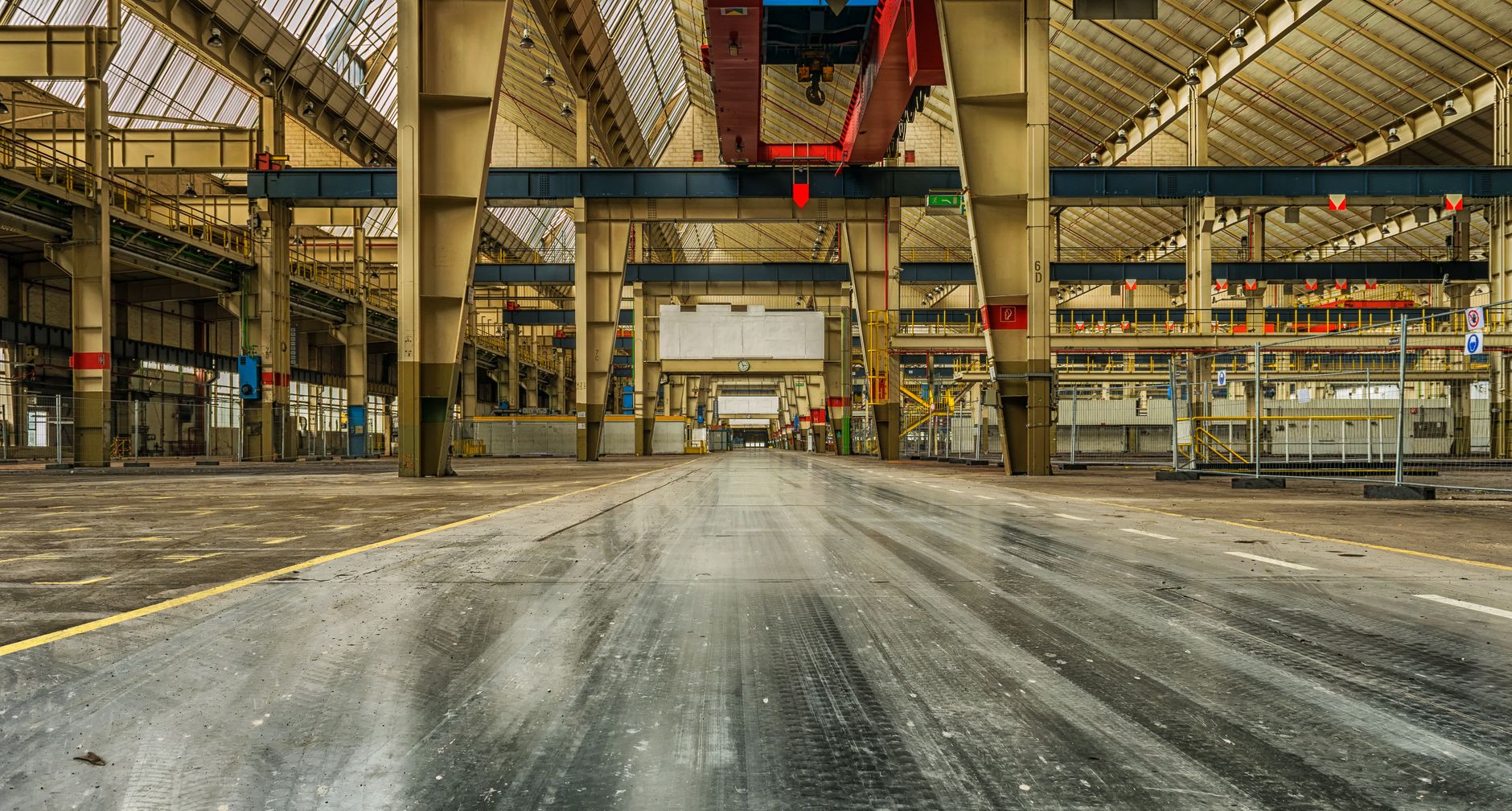
Photo: Pixabay / Pexels

Key Highlights

  • SAIL’s H1 production barely grew, tightening supply of standard steel billets.
  • Forging OEMs face potential price pressure on specialty grades.
  • Diversified ingot and billet suppliers can reduce lead‑time risk.
  • Kesari Alloys offers a full suite of forging ingots, billets and rolled bars.
  • Buyers should verify grade chemistry and heat‑treatment history.

Industry Outlook

Steel Authority of India Limited (SAIL) posted only marginal growth in first‑half production, even as demand from automotive, infrastructure and renewable‑energy projects remains strong. The modest rise reflects ongoing plant upgrades, logistics bottlenecks and a strategic shift toward higher‑value specialty steels rather than bulk commodity output.

For forging OEMs, this slowdown tightens the supply of standard carbon and alloy billets that are typically sourced from integrated producers such as SAIL. Consequently, buyers are turning to dedicated forging‑grade suppliers that can guarantee consistent chemistry and heat‑treatment histories for open‑die, ring‑rolling and upsetting applications.

Implications for Forging Material Sourcing

When primary steelmakers curtail supply, premiums on specialty grades like 42CrMo4, EN8 or C45 tend to rise, prompting manufacturers to explore alternative sources. Companies that stock a wide grade portfolio and offer both ingot and billet forms can reduce lead‑time risk and provide the flexibility required for short‑run or custom forging programs.

A practical approach is to source directly from a reputable Indian forging‑ingot producer that also supplies continuous‑cast billets and rolled bars, ensuring traceability from melt to final shape. For example, the forging ingots range covers carbon, alloy and stainless steels suitable for open‑die forging, while the continuous cast billets and blooms enable ring‑rolling and upsetting without additional reheating cycles.

Kesari Alloys Perspective

For a forging‑grade steel manufacturer like Kesari Alloys, SAIL’s constrained output highlights the importance of a diversified supply chain. Kesari’s in‑house melting capability in Bhiwadi allows it to produce ingot chemistries that match OEM specifications, and its partnership with rolling mills expands the offering to rolled bars for shafting and other industrial applications.

Buyers seeking a reliable alloy‑steel forging ingots manufacturer in India should assess grade availability, heat‑treatment records and the ability to deliver both ingots and billets that align with their forging processes. Kesari’s extensive grade library, including carbon grades such as C45 carbon steel and alloy grades like EN8 carbon steel, provides the flexibility to respond quickly to shifting demand cycles.

Why This Matters for Steel Buyers

SAIL’s output limits create immediate pressure on forging OEMs to secure material that matches their production schedules. Selecting a supplier that can deliver both ingot and billet forms eliminates the need for costly re‑melting or extra reheating steps, keeping open‑die and ring‑rolling lines running smoothly when inventory buffers are thin.

Buyers should give priority to manufacturers that publish comprehensive grade data and demonstrate consistent heat‑treatment results. Access to a broad family of grades—such as Kesari’s steel grade family—allows rapid substitution when a particular alloy faces a shortage, thereby protecting cycle times and minimizing price spikes.

Frequently Asked Questions

How can I ensure consistent chemistry for forging ingots amid SAIL’s limited output?
Choose a supplier that melts its own billets and ingots, provides mill test certificates and maintains a stable grade portfolio, such as Kesari Alloys.
What advantage does buying continuous cast billets offer over traditional ingots?
Billets reduce reheating cycles for ring‑rolling and upsetting, improving energy efficiency and cycle time.
Are rolled bars from a forging‑grade supplier suitable for shafting applications?
Yes, rolled bars designed for industrial shafts provide controlled dimensions and surface finish, complementing forged components.
Which Kesari Alloys grades are commonly used in automotive forging?
Grades such as C45 carbon steel and EN8 carbon steel are popular for crankshafts, connecting rods and other high‑strength forged parts.
#steel output india #forging ingots #alloy steel manufacturer india #continuous cast billets #automotive forging steel
Source reporting: Google News: steel plant expansion India · original article