Steel Prices
Rising Sponge Iron Rates Ripple Through Forging Steel Cost Structures
17h ago•22 October 2026•2 min read•Source: BigMint
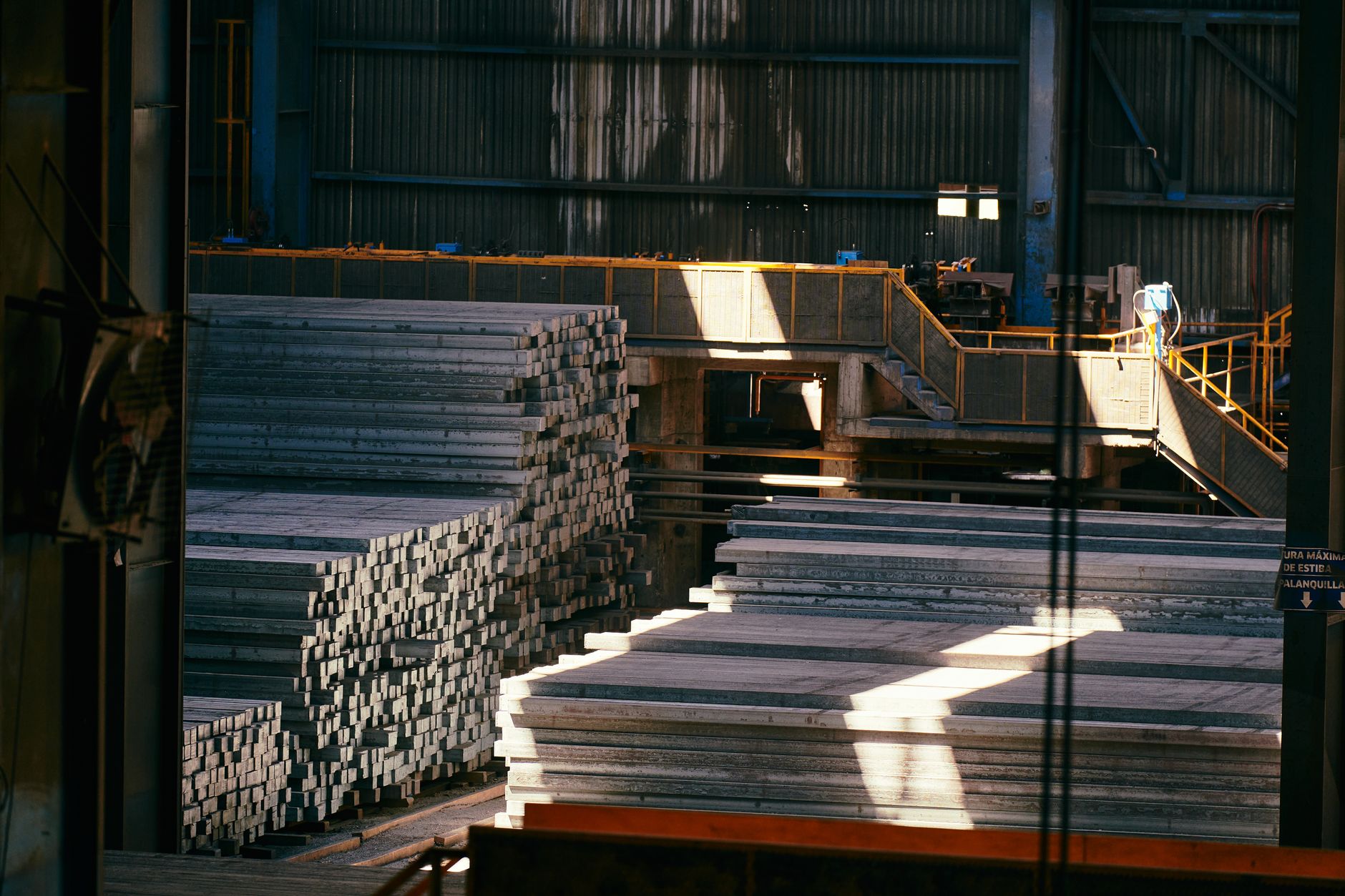
Photo: Willians Huerta / Pexels
Key Highlights
- Sponge iron spot prices have risen over 10% in the last 30 days.
- Higher raw‑material costs directly affect carbon and low‑alloy forging grades.
- Buyers may see a price premium on EN8, C45 and similar forging ingots.
- Kesari Alloys offers stable supply of forging ingots, billets and rolled bars in India.
Market Shift: Sponge Iron Price Surge
Over the past month, sponge iron—the primary raw material for many steelmaking routes—has posted a double‑digit increase on the Indian spot market. The rally is driven by tighter iron‑ore imports, higher electricity tariffs at captive plants, and a surge in demand from the automotive and construction sectors. Because sponge iron feeds the electric‑arc furnace (EAF) route for carbon and alloy steels, the cost impact is felt first in the grades most commonly used for forging and high‑strength components.
Implications for Forging‑Grade Steels
Forging ingots and continuous‑cast billets that feed open‑die and ring‑rolling operations are especially sensitive to raw‑material swings. A higher sponge‑iron base raises melt costs for grades such as 42CrMo4, EN8 or C45, which in turn nudges quotation levels for finished ingots and billets. Buyers should expect a modest premium on carbon and low‑alloy forging steels and may need to revisit inventory buffers.
Kesari Alloys Perspective
For a supplier like Kesari Alloys, which produces a broad portfolio of forging ingots, continuous‑cast billets and rolled bars in India, the sponge‑iron rally underscores the importance of stable melt practices and diversified sourcing. Customers seeking consistent quality can evaluate Kesari’s forging ingots for open‑die and upsetting applications, or its continuous cast billets and blooms for ring‑rolling, knowing the company’s long‑standing presence in Bhiwadi helps mitigate raw‑material volatility. When specifying a grade, consider the end‑use tolerance for cost versus mechanical performance, and factor in lead‑time expectations from an established Indian alloy steel forging ingots manufacturer.
Why This Matters for Steel Buyers
The surge in sponge‑iron costs can compress margins for OEMs that purchase forging ingots on a spot basis. Securing a long‑term contract with a reputable supplier such as Kesari Alloys can lock in price stability for grades like C45 carbon steel and EN8 carbon steel.
Because the price pressure may prompt buyers to shift to alternative grades or increase inventory of critical forging billets, understanding the full grade family offered by a supplier enables more precise alignment of material choice with cost targets while preserving required mechanical properties.
Frequently Asked Questions
How does the rise in sponge iron prices affect the cost of forging ingots?
Higher sponge iron prices raise the melt cost for carbon and alloy steels, which translates into a higher unit price for forged ingots such as those supplied by Kesari Alloys.
Should I consider switching from C45 to another grade to mitigate price hikes?
C45 is a balanced carbon steel for forging; if cost is a concern, evaluate EN8 or a suitable alloy steel, but verify that the alternative meets the design’s strength and toughness requirements.
What sourcing strategy helps manage raw‑material volatility?
Partnering with an established Indian manufacturer like Kesari Alloys, which offers a wide grade portfolio and consistent melt practices, can provide price predictability and reliable delivery.
Can I source both ingots and billets from the same supplier for a single project?
Yes, Kesari Alloys supplies both forging ingots and continuous cast billets, allowing you to streamline procurement and maintain material traceability across the forging process.
#sponge iron prices
#forging ingots
#alloy steel manufacturer india
#steel price impact
#continuous cast billets