Steel Prices
Retail Inflation Surge Pressures Steel Prices and Forging Material Costs
1d ago•13 October 2026•2 min read•Source: Times of India

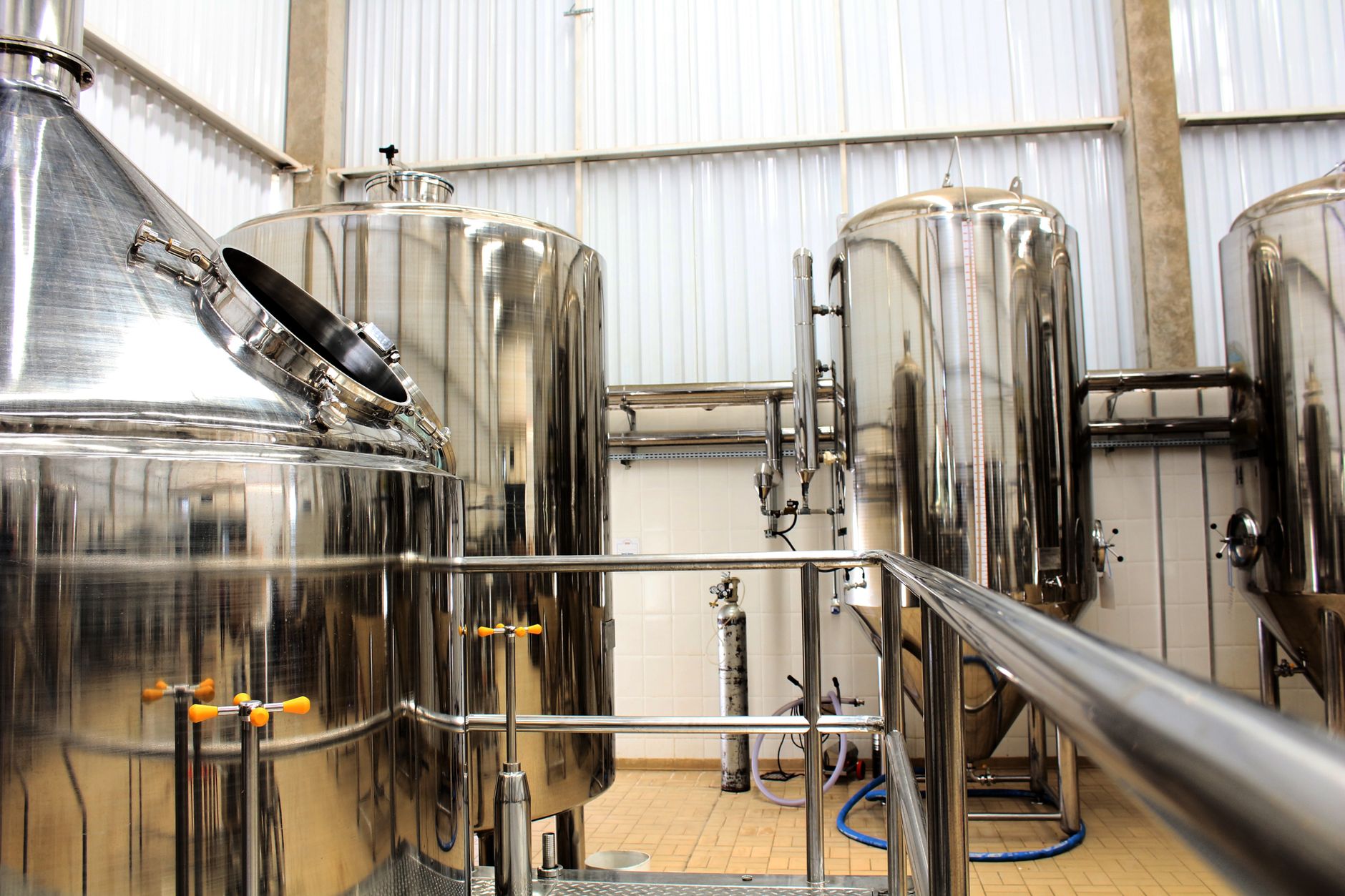
Photo: Bence Szemerey / Pexels
Key Highlights
- Retail inflation at 5.5% raises energy and logistics costs for steel producers
- Spot prices for forging ingots and billets are expected to adjust upward
- Chemical consistency remains a key selection criterion for OEMs
- Kesari Alloys offers stable supply of forging ingots and continuous cast billets
Market Overview
India’s retail inflation rose to 5.5% in August, driven mainly by a sharp increase in food prices. Although food costs do not feed directly into steel production, the broader inflationary pressure lifts key input costs—energy, logistics and labour—that steel manufacturers depend on. Higher freight rates and rising power tariffs are already being reflected in billet and ingot pricing, squeezing margins for downstream forgings and OEMs.
Implications for Forging Material Supply
Forging houses that use open‑die and ring‑rolling grades can expect spot‑price adjustments within the next quarter. Buyers should confirm that suppliers can preserve chemical composition and mechanical properties despite the cost squeeze. Reliable access to high‑quality carbon and alloy forging ingots remains essential for automotive and heavy‑engineering applications.
Kesari Alloys Perspective
For a supplier like Kesari Alloys, the inflation trend highlights the need for stable raw‑iron sourcing and dependable energy contracts. Its portfolio of forging ingots—including carbon, alloy and stainless grades—delivers the consistency required when market prices fluctuate. Buyers searching for an "alloy steel forging ingots manufacturer in India" can leverage Kesari’s long‑standing presence in Bhiwadi to mitigate supply‑chain shocks. In addition, the company’s continuous cast billets and blooms offer an alternative feedstock for ring‑rolling operations, allowing customers to balance cost and performance across their production lines.
Why This Matters for Steel Buyers
Higher input costs tighten the budget for new tooling projects, making it crucial for buyers to select grades that meet mechanical requirements without over‑specifying. Premium alloys increase spend, while lower‑grade steels may require re‑work if they fall short of performance targets.
Assessing a supplier’s ability to deliver consistent chemistry—such as EN8 or C45 carbon steels—reduces the risk of costly re‑work and downtime. Moreover, the breadth of a supplier’s grade family directly influences flexibility in design and cost optimisation. Kesari Alloys’ steel grade family page lists more than 100 carbon, alloy, stainless, spring and tool steels, enabling engineers to pinpoint the exact specification that balances price, strength and machinability for their specific application.
Frequently Asked Questions
How does inflation affect the price of forging ingots?
Higher inflation raises energy, transport and labor costs, which are passed on as increased spot prices for forging ingots.
What grade should I choose for a medium‑strength shaft that balances cost and toughness?
EN8 carbon steel is a common choice for medium‑strength shafts, offering good machinability and impact resistance at a reasonable price.
Can Kesari Alloys supply continuous cast billets for ring‑rolling projects?
Yes, Kesari Alloys provides continuous cast billets and blooms that are suitable for ring‑rolling, as listed on their product page.
Why consider a single supplier for both ingots and rolled bars?
Using one supplier like Kesari Alloys simplifies logistics, ensures consistent chemistry across product forms, and reduces lead‑time risk during inflation‑driven market volatility.
#steel prices
#inflation impact
#forging ingots
#alloy steel manufacturer india
#continuous cast billets