Industry Impact of the New Reheating Furnace
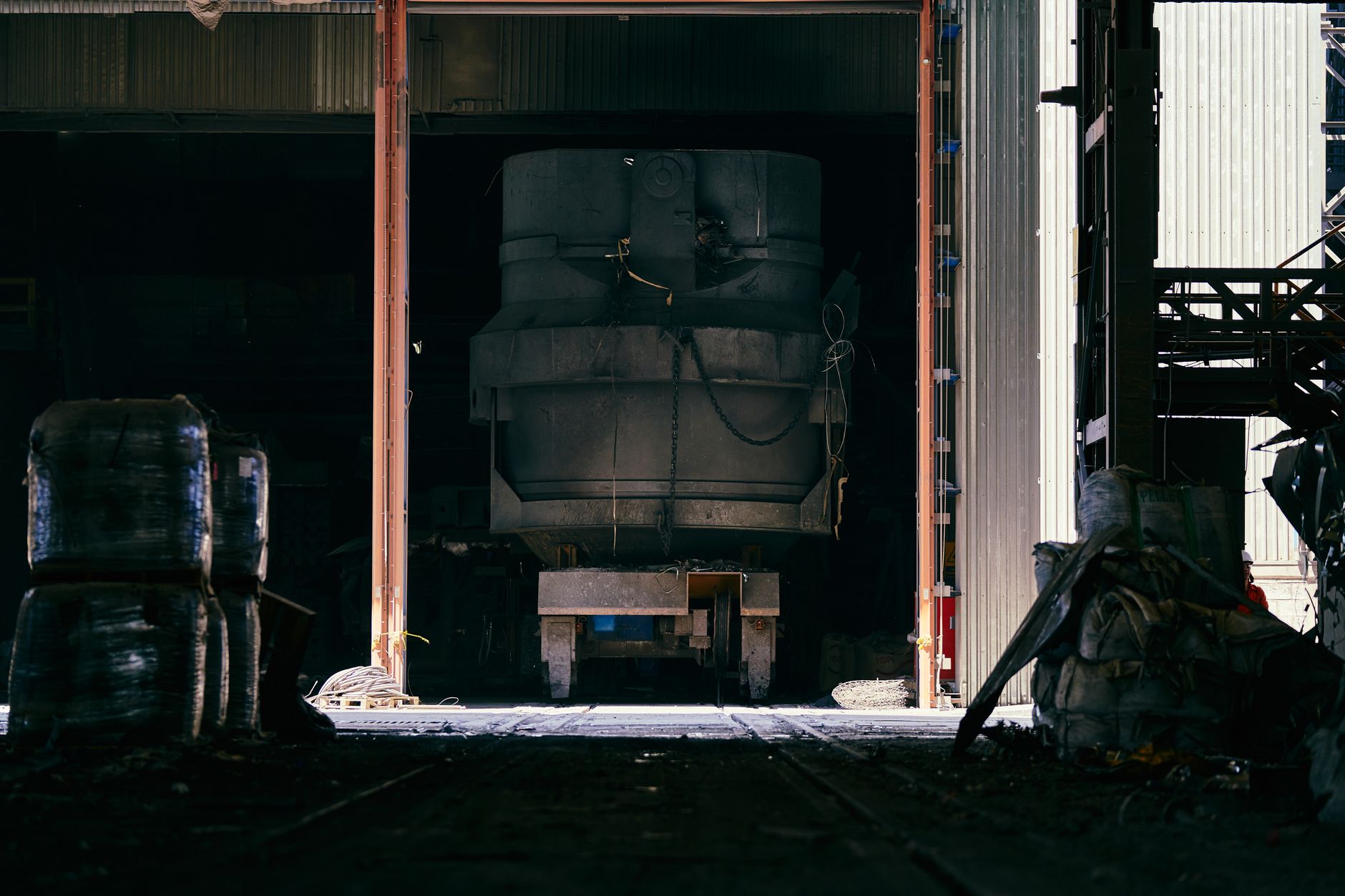
The recent commissioning of a state‑of‑the‑art reheating furnace at Steel Exchange India has lifted its hot‑rolling capacity beyond 5 Mt per annum, delivering a surge in finished billets and bars. Higher reheating efficiency reduces temperature variation, which translates into tighter dimensional tolerances for downstream forging and ring‑rolling operations. This improvement is especially relevant for OEMs that depend on consistent mechanical properties across large batches.
For forging houses, the increased flow of high‑quality billets means a more reliable feedstock pipeline. Continuous casting lines, now feeding the furnace at higher rates, produce billets with reduced segregation and improved grain structure—key factors for open‑die and ring‑rolling processes. The market is seeing a modest softening of price pressure as supply catches up with demand, but buyers must still evaluate grade suitability and thermal history.
Kesari Alloys Perspective
Kesari Alloys, an established Indian manufacturer of carbon, alloy and stainless steel forging ingots, continuously cast billets and rolled bars, is well positioned to serve customers capitalising on this expanded steel supply. Its forging ingots are engineered for open‑die forging, ring rolling and upsetting, matching the tighter tolerances now achievable downstream. Buyers looking for a dependable "alloy steel forging ingots manufacturer in India" can evaluate Kesari’s grade portfolio to select the chemistry that aligns with the improved billet quality.
Moreover, the availability of continuous cast billets and blooms from Kesari (see continuous cast billets) complements the higher‑throughput furnace output, enabling seamless integration from raw material to finished component. Companies that need rolled bars for shafting or precision applications may also consider Kesari’s rolled products (see rolled bars), ensuring a single‑source strategy for multiple forging stages.