Market Overview
India’s rebar market has entered a rally, driven by tighter iron‑ore supplies and renewed infrastructure spending. Major producers such as Tata Steel, JSW Steel and Jindal Steel are posting higher spot prices, prompting downstream OEMs to reassess material budgets for projects that rely on structural steel. Although rebar is a plain‑carbon product, its price trend often ripples through the entire steel value chain, affecting the cost of alloy and tool steels used in high‑performance forging.
Implications for Forging‑Grade Materials
Forging houses and component manufacturers typically source carbon and alloy ingots that are later hot‑worked into crankshafts, gears or pressure‑vessel components. A sustained rebar rally can lift the baseline cost of scrap and primary steel, making it prudent to lock‑in supply on competitive terms. Buyers should evaluate grades that balance strength and machinability—such as EN8 for general‑purpose shafts or C45 for medium‑strength applications—and weigh the flexibility of continuous casting against ingot melting.
Supply‑Side Adjustments
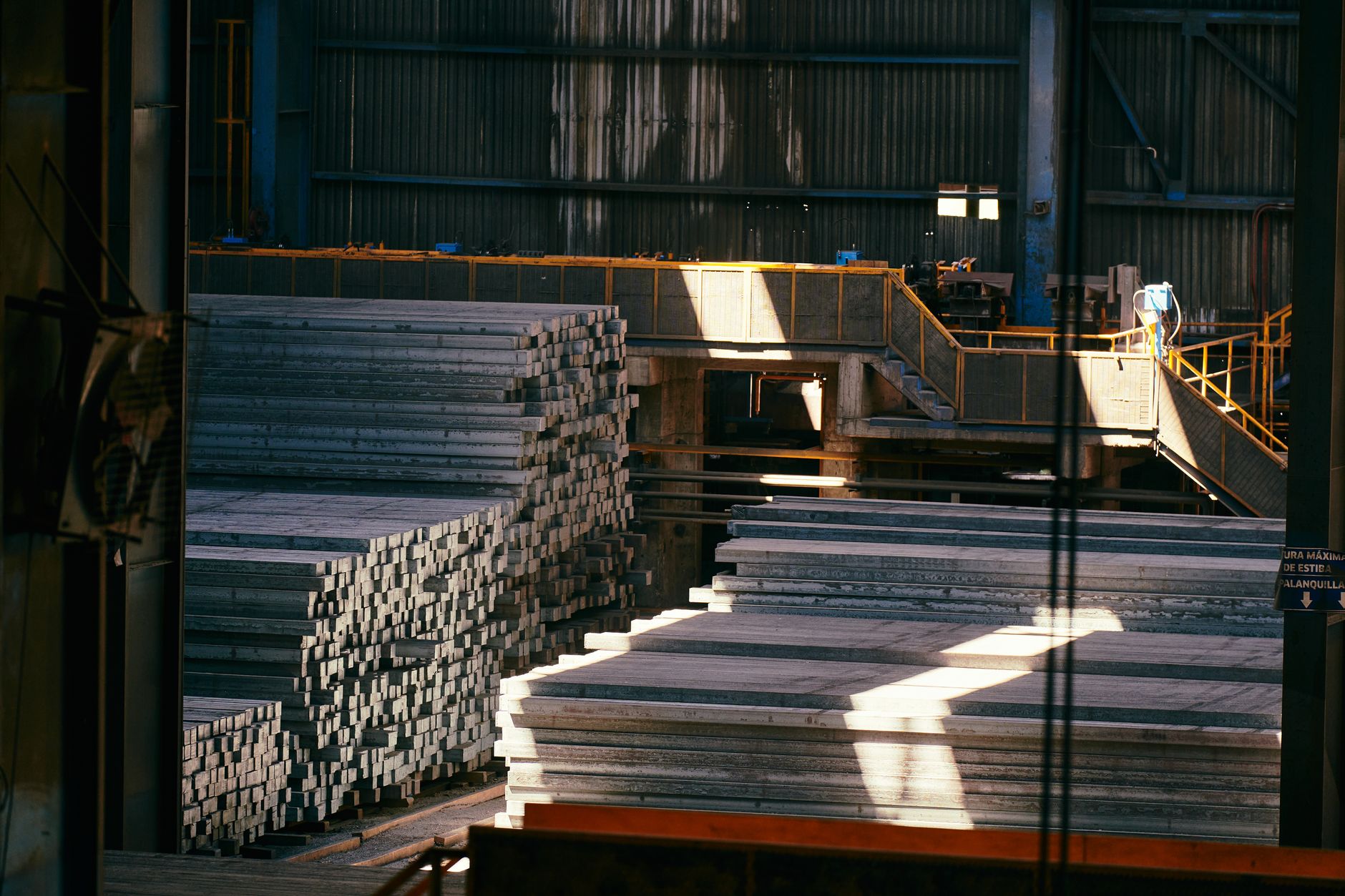
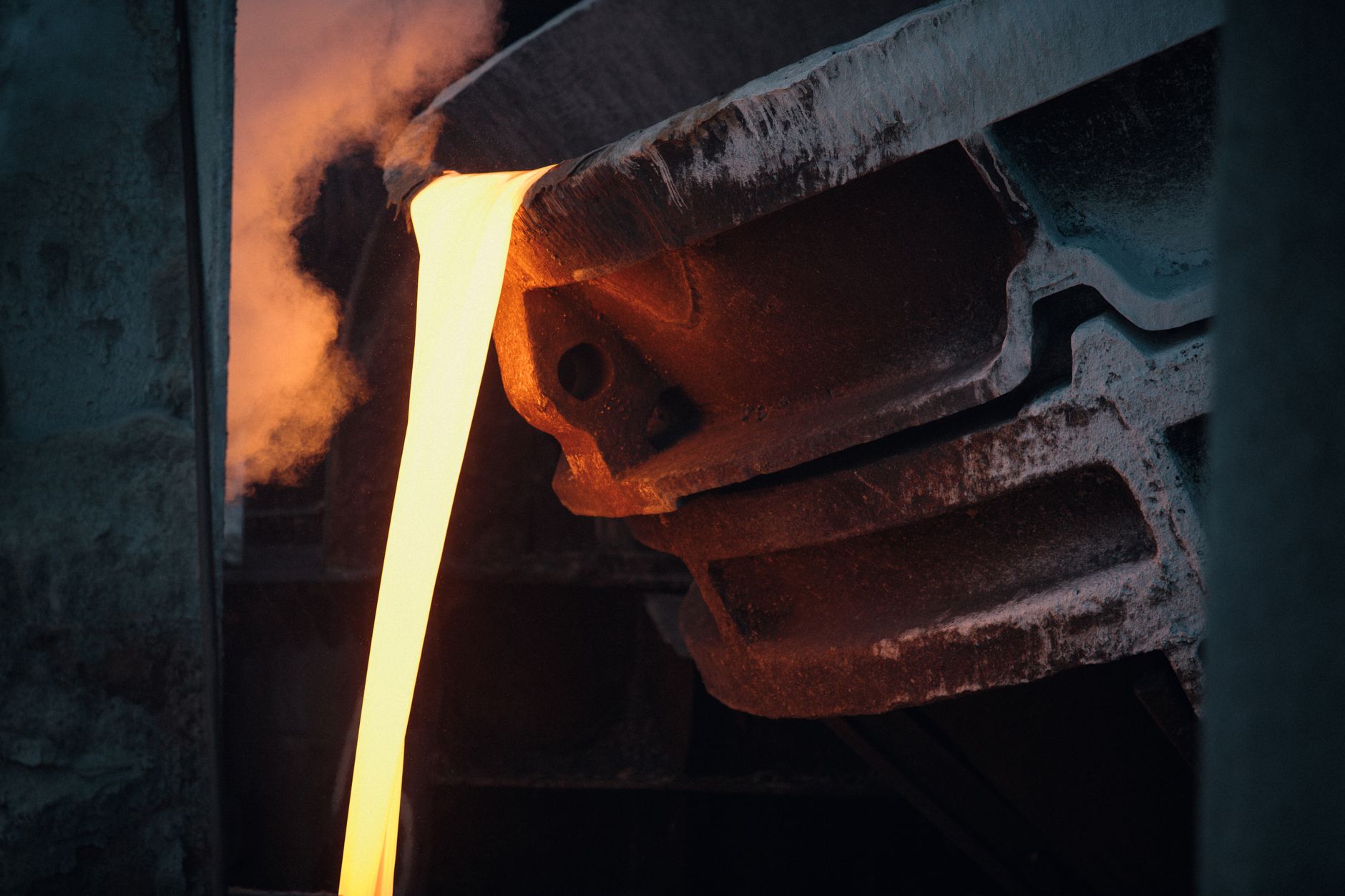
Manufacturers with integrated casting capabilities can dampen price volatility by shifting to continuous‑cast billets and blooms, which provide tighter dimensional tolerances and lower melt‑losses than traditional ingot routes. This also shortens lead times for customers needing rapid turn‑around on forged components.
Kesari Alloys Perspective
For a supplier like Kesari Alloys, the rebar price rally underscores the importance of offering a broad portfolio of forging ingots, continuous‑cast billets and rolled bars that can be sourced cost‑effectively. Buyers looking for an "alloy steel forging ingots manufacturer in India" will find that Kesari’s catalog spans more than 100 grades, enabling precise matching of material properties to design requirements while navigating market price swings. Selecting the right grade—whether a high‑strength alloy for aerospace‑grade forgings or a versatile carbon steel for automotive parts—helps maintain project margins without compromising quality.
Kesari Alloys Perspective
Kesari Alloys’ ability to supply both forging ingots and continuous cast billets and blooms gives customers the flexibility to choose the most economical feedstock for their specific forging process. When rebar prices climb, opting for billets can reduce melt‑time and energy consumption, while ingots remain essential for open‑die and upsetting operations that demand larger cross‑sections. Strategic sourcing teams should therefore evaluate their production routes alongside market trends to decide which Kesari grade and form factor best aligns with cost targets and engineering specs.