Steel Prices
Rebar Price Surge Hits $30/t: Implications for Forging and Structural Steel Buyers
21h ago•13 October 2026•2 min read•Source: GMK Center

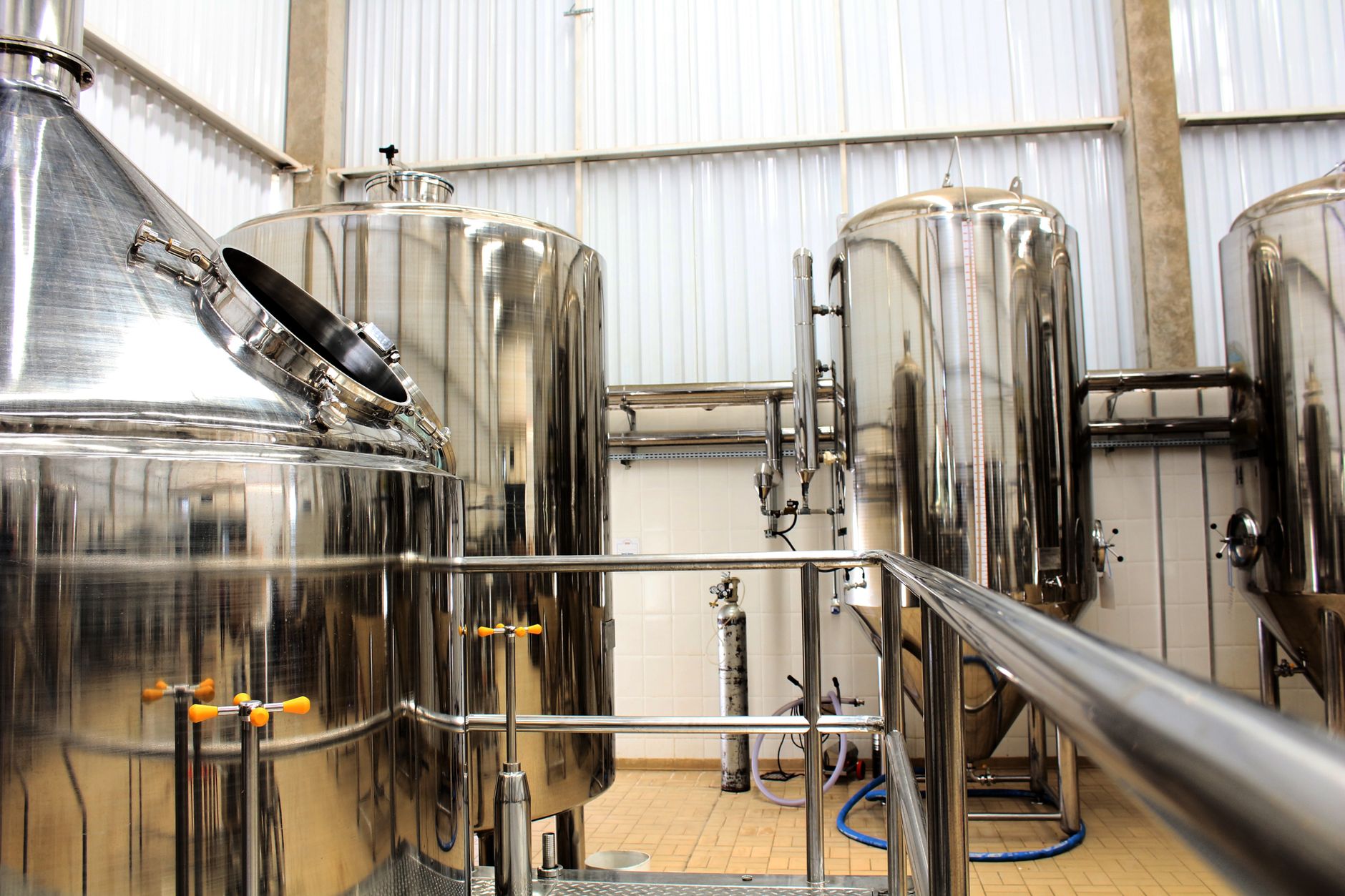
Photo: Willians Huerta / Pexels
Key Highlights
- Nucor and Gerdau raise rebar prices by $30 per tonne.
- Higher rebar costs ripple into forging ingot and billet pricing.
- Buyers should review ingot grade selections to control material spend.
- Continuous cast billets remain a key buffer against raw‑material volatility.
- Kesari Alloys offers a broad grade portfolio to match cost‑sensitive applications.
Market Shift Overview
The recent decision by Nucor and Gerdau to lift rebar prices by $30 per tonne is sending ripples through the construction and heavy‑engineering supply chain. The increase reflects tighter raw‑material margins, higher energy costs, and a rebalance of inventory after a year of pandemic‑induced volatility. While the move directly affects contractors and fabricators, downstream users of forged components and rolled bars will also feel the pressure as manufacturers adjust material‑cost allocations.
Impact on Forging‑Grade Steels
Forging houses that rely on carbon and alloy steel ingots for open‑die, ring‑rolling, or upsetting operations must now reassess their bill‑of‑materials. A $30/t rise in rebar—essentially a proxy for hot‑rolled steel—can translate into a comparable uplift in the cost of feedstock for forging ingots, especially for grades such as 42CrMo4 or 4140 that share similar scrap and billet bases. Buyers should therefore scrutinise the price structure of their ingot suppliers and consider locking in volumes through longer‑term contracts.
For customers needing downstream rolled shapes, the price pressure also filters through to continuous‑cast billets and rolled bars. Securing a reliable supply of billets that can be forged into shafts, couplings or pressure‑vessel components becomes a strategic priority. continuous cast billets that meet the required chemistry for subsequent forging can help mitigate downstream price spikes.
Kesari Alloys Perspective
For a manufacturer like Kesari Alloys, the rebar uplift underscores the importance of offering a diversified product portfolio—from carbon‑steel forging ingots to high‑quality rolled bars. Buyers looking for an "alloy steel forging ingots manufacturer in India" can evaluate Kesari’s 100+ grade catalogue to match specific mechanical requirements while managing cost exposure. Selecting the right grade, such as C45 carbon steel for medium‑strength forged parts, enables engineers to optimise material usage and avoid over‑specifying expensive alloys.
In practice, a disciplined sourcing approach that balances ingot, billet and bar procurement will help OEMs and distributors absorb the rebar price shock without compromising on quality or delivery reliability.
Why This Matters for Steel Buyers
The rebar price hike raises the baseline cost of forging‑grade steels. Because raw‑material costs flow through to ingot and billet prices, manufacturers are likely to pass the increase on to downstream buyers, tightening project budgets and stretching lead‑time commitments. Buyers must therefore evaluate whether their suppliers can deliver consistent chemistry and stable pricing.
Strategic buyers can blunt the impact by securing billets or ingots from a proven source. Kesari Alloys’ forging ingots portfolio spans carbon, alloy and stainless grades, allowing specification of the exact grade required for each application and avoiding unnecessary premium costs.
Coupling ingot procurement with rolled‑product options such as rolled bars simplifies inventory management, reduces handling steps, and delivers measurable cost and schedule advantages.
Frequently Asked Questions
How will the rebar price increase affect the cost of forging ingots?
Rebar is a price benchmark for hot‑rolled steel; a $30/t rise typically lifts the raw material cost of carbon and alloy ingots, so buyers should expect higher quotes from ingot suppliers.
Can I lock in price stability by purchasing continuous cast billets?
Yes, securing billets with a fixed price contract can shield you from short‑term rebar fluctuations while ensuring the chemistry needed for downstream forging.
Which Kesari Alloys grade is suitable for medium‑strength forged components?
C45 carbon steel is a common choice for medium‑strength forged parts and is listed on Kesari Alloys’ grade pages.
Is Kesari Alloys a reliable source for an alloy steel forging ingots manufacturer in India?
Kesari Alloys, based in Bhiwadi, Rajasthan, supplies a wide range of carbon, alloy and stainless forging ingots and has been serving the forging and heavy‑engineering sectors since 1987.
#rebar price increase
#forging ingots
#alloy steel manufacturer india
#continuous cast billets
#steel buying strategy