Company Updates

Ramkrishna Forgings Q1FY27 Profit Spike Highlights Margin Gains in Indian Forging

Ramkrishna Forgings Q1FY27 Profit Spike Highlights Margin Gains in Indian Forging

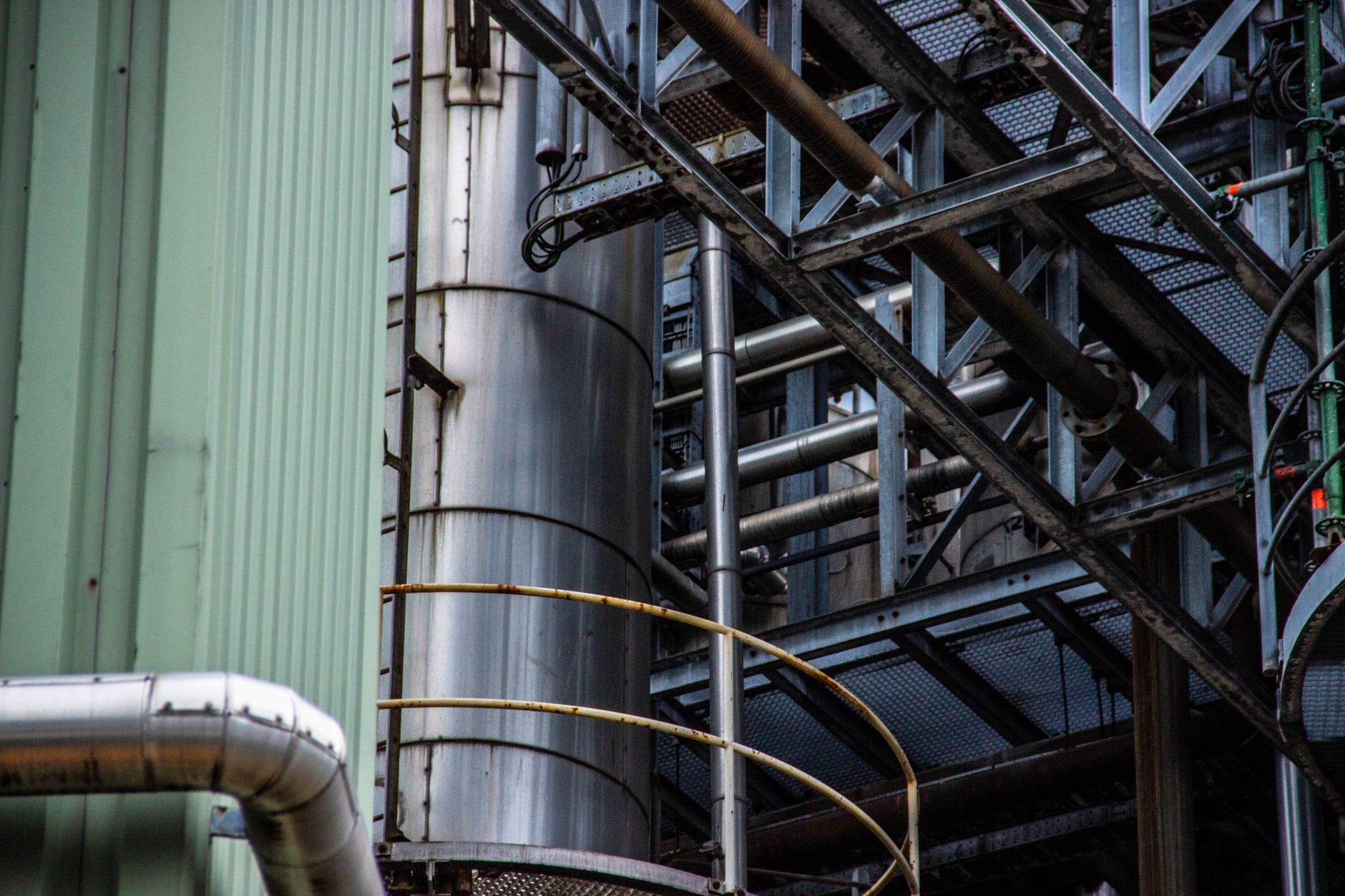
Photo: Bence Szemerey / Pexels

Key Highlights

  • Ramkrishna Forgings Q1FY27 profit up 298% to ₹46.88 crore
  • Margin expansion driven by higher‑value forged components
  • Increased demand for alloy steel grades puts pressure on supply chains
  • Buyers should seek suppliers offering both ingots and billets for traceability
  • Kesari Alloys provides a broad grade family and multiple product forms

Profit Surge and Its Drivers

Ramkrishna Forgings reported a 298% jump in Q1FY27 profit, reaching ₹46.88 crore. The headline figure reflects higher order volumes, tighter cost control, and an expanded margin on forged components. The company attributes the gain to a shift toward higher‑value, precision‑forged parts for automotive and power‑generation equipment, where alloy‑steel grades command premium pricing.

Industry Ripple Effects

For downstream OEMs and distributors, the earnings uplift signals a tightening of supply for premium forging grades. As demand for high‑strength, fatigue‑resistant components rises, manufacturers are prioritising alloy steels such as 42CrMo4, 4140 and other medium‑carbon alloys. This pressure can translate into longer lead times for open‑die forging blanks and a heightened need for reliable sources of consistent chemistry.

Buyers looking to mitigate risk should evaluate suppliers that offer both forging ingots and downstream forms like billets or rolled bars, ensuring material traceability across the production chain. Kesari Alloys, an established Indian maker of carbon, alloy and stainless steel forging ingots, provides a broad portfolio that aligns with these requirements. Their product range includes forging ingots suitable for open‑die, ring‑rolling and upsetting operations, as well as continuous cast billets and blooms that feed high‑volume ring‑rolling lines.

Kesari Alloys Perspective

The margin expansion at Ramkrishna Forgings underscores the premium that OEMs are willing to pay for quality‑controlled alloy steels. For a supplier like Kesari Alloys, this trend reinforces the importance of offering a wide grade family and flexible product forms. Buyers can source a single grade—such as C45 or EN8—from the same mill, reducing variability and simplifying qualification processes.

When specifying material for critical forgings, purchasers should ask for mill‑test certificates, heat‑traceability and the ability to ship both ingots and billets from the same facility. An "alloy steel forging ingots manufacturer in India" that can also deliver continuous cast billets positions the buyer for smoother production scheduling and cost predictability.

Why This Matters for Steel Buyers

The profitability surge at Ramkrishna Forgings reflects a market pivot toward premium forged components, which in turn tightens supply of high‑grade alloy steel. Buyers who secure a supplier capable of delivering both raw ingots and downstream billets gain two strategic advantages: they minimise the number of handling steps—reducing inventory holding costs and the risk of chemical deviation—and they gain greater control over production schedules, mitigating the longer lead times now seen in the market.

For projects that require medium‑carbon grades such as C45 carbon steel or EN8 carbon steel, sourcing from a single manufacturer streamlines the qualification process, eliminates duplicate testing, and improves price predictability because the supplier can balance supply between ingots and continuous cast billets based on the buyer’s production cadence.

Frequently Asked Questions

What grade of steel should I choose for high‑strength automotive forgings?
Medium‑carbon alloy steels like 42CrMo4 or SAE 4140 are common, but C45 and EN8 are also suitable for many automotive shafts; Kesari Alloys offers these grades with full mill‑test certification.
Can I source both ingots and billets from the same supplier?
Yes, Kesari Alloys supplies forging ingots as well as continuous cast billets and blooms, allowing you to keep the material traceable throughout the forging process.
How does margin expansion at a forging company affect my material costs?
When a forger captures higher margins on premium grades, they may prioritize those steels, potentially tightening supply and influencing spot prices for alloy ingots.
Is Kesari Alloys a viable partner for large‑scale forging projects in India?
Kesari Alloys, with its long‑standing presence since 1987 and a full suite of carbon, alloy and stainless forging ingots, billets and rolled bars, meets the typical qualification criteria for large‑scale Indian forging programs.
#forging industry india #alloy steel manufacturer india #forging ingots #continuous cast billets #steel grade selection
Source reporting: Google News: forging industry India · original article