Company Updates
Ramkrishna Forgings' EV Pivot Signals New Demand for High‑Performance Forging Ingots
27 Sep 2026•27 September 2026•2 min read•Source: Google News
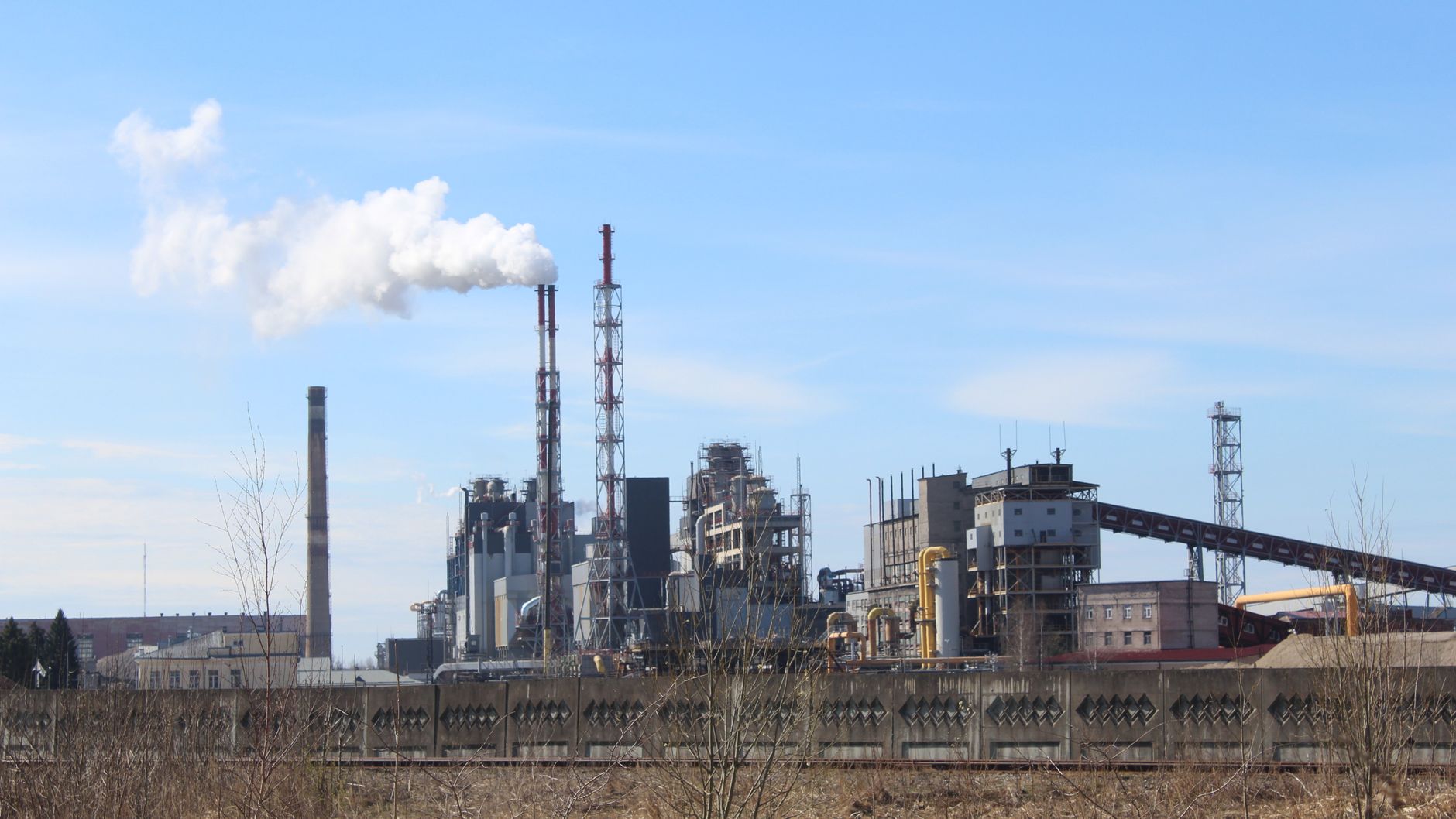
Photo: Paolo Rossa / Pexels
Key Highlights
- Ramkrishna Forgings is targeting EV powertrains and passenger‑car components.
- EV programs demand lighter, higher‑strength forgings with tight tolerances.
- Suppliers need a broad alloy portfolio and both ingot and billet offerings.
- Kesari Alloys provides a full range of forging‑ready grades and formats.
Industry Shift
Ramkrishna Forgings is pivoting from its traditional commercial‑vehicle business to focus on electric‑vehicle (EV) powertrains and passenger‑car components. The move demands lighter, higher‑strength forgings that can meet tighter tolerances and withstand cyclic loading in electric drivetrains. As a result, OEMs are re‑evaluating alloy choices, heat‑treatment windows, and whether open‑die or ring‑rolling processes are most suitable.
Implications for Material Suppliers
Suppliers that offer a broad portfolio of alloy and carbon‑steel grades, together with flexible casting formats, will be better equipped to support fast‑track EV programs. For instance, a crankshaft for an EV motor may require a grade with superior fatigue resistance and machinability, while a suspension knuckle might call for a high‑tensile alloy steel. Being able to source both forging ingots and continuous‑cast billets from a single vendor simplifies logistics and reduces the risk of alloy mismatches.
Kesari Alloys Perspective
For a forging‑grade steel producer like Kesari Alloys, the EV‑driven demand surge highlights the need for a wide grade matrix and multiple product forms. Its catalog of carbon, alloy and stainless steel forging ingots, along with continuous‑cast billets, lets OEMs choose the optimal material for each component without juggling multiple suppliers. Buyers searching for an "alloy steel forging ingots manufacturer in India" will find that Kesari Alloys’ extensive grade family and proven forging‑ready formats align with the performance targets of next‑generation EV platforms.
Why This Matters for Steel Buyers
The shift to electric vehicles creates immediate demand for high‑performance grades such as 42CrMo4 and other high‑strength alloy steels, while reliable carbon‑steel options like EN8 remain essential for auxiliary parts. Selecting a supplier that stocks both forging ingots and continuous cast billets enables buyers to match material form to the chosen forging process, cutting lead‑time and lowering inventory risk.
When qualifying a new vendor, buyers should confirm the breadth of the steel grade family and the supplier’s capability to deliver material that meets automotive‑grade specifications and the stringent quality controls required for EV components.
Related from Kesari Alloys: forging ingots.
Frequently Asked Questions
What forging‑ready grades are most suitable for EV drivetrain components?
High‑strength alloy steels such as 42CrMo4 and medium‑carbon grades like EN8 are common, and Kesari Alloys offers these within its extensive grade family.
Can I source both ingots and billets from the same supplier for an EV project?
Yes, Kesari Alloys provides both forging ingots and continuous cast billets, enabling consistent chemistry across different forging processes.
How does the availability of rolled bars affect EV component manufacturing?
Rolled bars are often used for shafts and shafts‑related parts; Kesari Alloys’ rolled bars can complement ingot‑based forgings for complete drivetrain assemblies.
What should I look for when qualifying a forging steel supplier for EV applications?
Focus on the supplier’s grade breadth, ability to supply ingots or billets in the required forms, and proven experience with automotive‑grade heat‑treatment, all of which Kesari Alloys demonstrates.
#ev forging
#alloy steel manufacturer india
#forging ingots
#continuous cast billets
#automotive steel grades