Company Updates

NMDC’s New Slurry Pipeline Boosts Iron Ore Supply for Indian Forging Mills

NMDC’s New Slurry Pipeline Boosts Iron Ore Supply for Indian Forging Mills

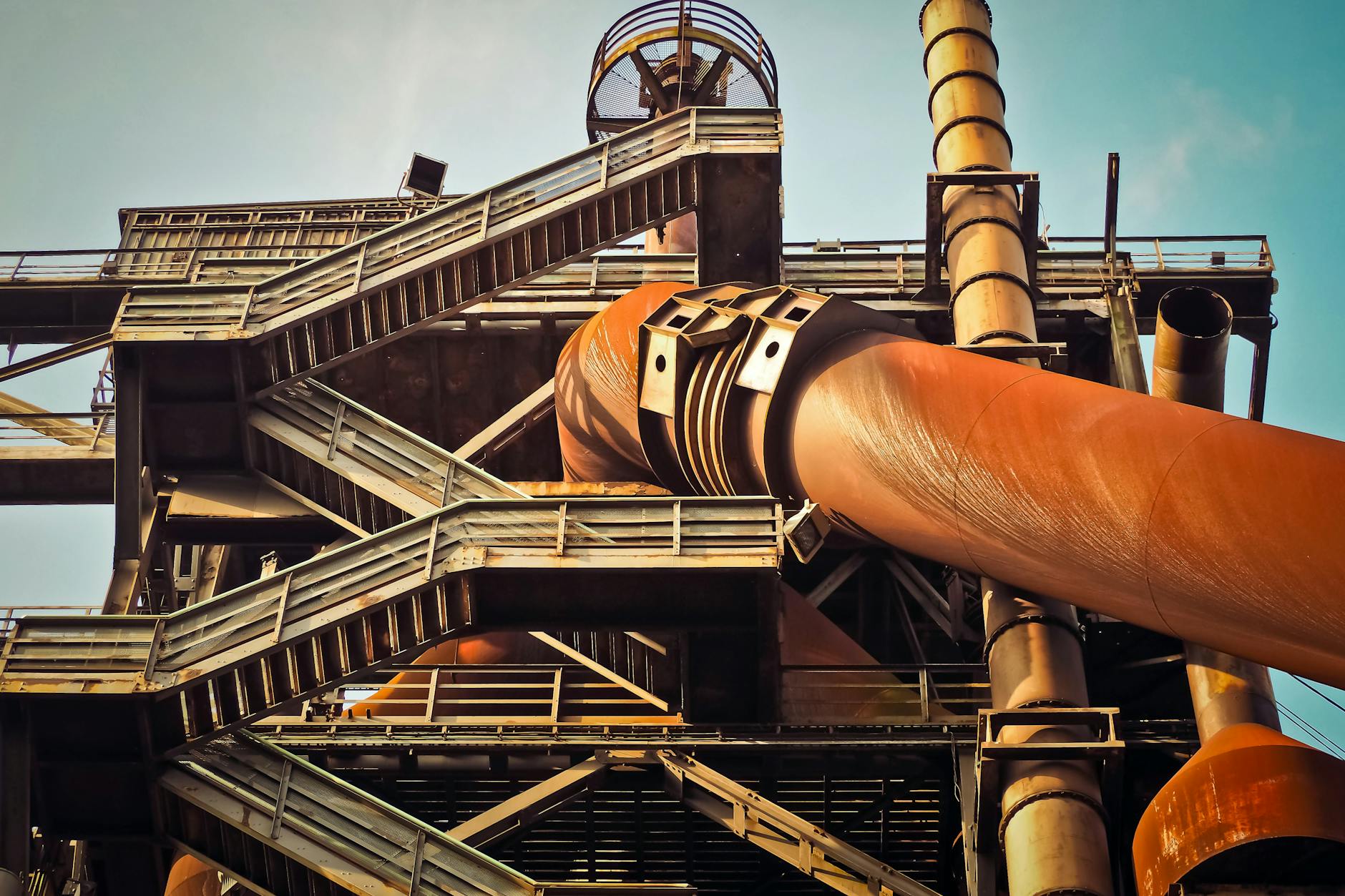
Photo: Bence Szemerey / Pexels

Key Highlights

  • NMDC’s slurry pipeline reduces logistics cost and stabilises Indian iron‑ore supply.
  • More domestic low‑phosphorus pellets improve melt chemistry for forging grades.
  • Buyers can lock in long‑term ore contracts to hedge freight and currency risk.
  • Kesari Alloys can leverage the stable ore feed for consistent forging ingot quality.
  • Enhanced ore availability benefits continuous cast billets and rolled bar production.

Industry Impact of NMDC’s Chhat Project

The National Mineral Development Corporation’s (NMDC) commissioning of a ₹5,427‑crore integrated slurry pipeline and pelletisation plant in Chhat marks a major uplift in domestic iron‑ore availability. By moving ore from the mines to processing facilities via a dedicated pipeline, NMDC reduces logistics bottlenecks, cuts freight costs and stabilises feedstock for downstream steelmakers. For forging‑grade steel producers, a more reliable ore supply translates into steadier furnace‑charge quality and tighter control of carbon and alloy content in the final ingot.

Historically, Indian forging houses have depended on imported ore or spot purchases that swing with global freight rates. The Chhat pipeline, feeding a modern pelletisation complex, is expected to increase the proportion of low‑phosphorus, high‑grade pellets in the domestic market. This shift benefits manufacturers of high‑strength alloy ingots such as 42CrMo4 or SAE 4140, where impurity levels directly affect heat‑treatment response and final mechanical properties.

Strategic Sourcing Considerations

Buyers should re‑evaluate their ore contracts in light of the new supply curve. Long‑term agreements anchored to Indian‑sourced pellets can hedge against volatile overseas freight and currency risk. At the same time, the enhanced domestic base may pressure spot prices, creating opportunities for cost‑effective procurement of grades that feed open‑die forging and ring‑rolling operations. Companies that can align their melt schedules with the more predictable ore deliveries will gain a competitive edge in lead‑time and product consistency.

Kesari Alloys Perspective

For a supplier like Kesari Alloys, the NMDC development reinforces the value of sourcing high‑purity iron ore domestically. Our forging ingots are produced from melts that demand tight control of carbon and alloying elements; a stable ore feed improves that control and supports the full range of grades we offer, from carbon steels like C45 carbon steel to alloy steels such as steel grade family. Buyers looking for an "alloy steel forging ingots manufacturer in India" will find that our product portfolio, combined with the new ore logistics, can deliver consistent quality and shorter lead times.

Moreover, the increased pellet output can feed continuous‑cast billets and blooms, a downstream product line that complements our ingot business. By integrating with the domestic ore pipeline, Kesari Alloys can maintain tight tolerances on chemical composition, which is critical for applications in automotive, power and heavy‑engineering sectors.
Why This Matters for Steel Buyers

The Chhat pipeline guarantees a steady flow of low‑phosphorus, high‑grade pellets, enabling buyers to lock in longer‑term ore contracts with far less exposure to freight‑rate spikes or currency swings. This predictability is especially valuable for alloy‑forging ingot programmes that require precise carbon and alloy balances.

With a reliable feedstock, manufacturers such as Kesari Alloys can maintain tighter melt chemistry, which directly improves the dimensional consistency of continuous cast billets and blooms. Those billets are the starting point for ring‑rolling and upset‑forging operations, so any reduction in chemical variance translates into fewer re‑work cycles, lower scrap rates and shorter production lead times. Buyers should therefore give preference to suppliers that source ore domestically and can demonstrate consistent melt quality, as this will protect both cost structures and delivery schedules.

Frequently Asked Questions

How does NMDC’s slurry pipeline affect the cost of forging steel ingots in India?
The pipeline lowers transport costs and smooths ore supply, which can reduce the raw‑material component of ingot pricing for domestic manufacturers.
What grades should a forging OEM consider when the ore quality improves?
Improved ore purity benefits alloy grades such as 42CrMo4, SAE 4140 and also high‑strength carbon steels like C45, where impurity control is critical.
Can Kesari Alloys provide the required ingot grades for my automotive forging line?
Yes, Kesari Alloys offers a broad steel grade family, including carbon, alloy and stainless forging ingots suitable for automotive applications.
Is it advisable to shift from imported ore to Indian‑sourced pellets for my forging operation?
Switching to Indian pellets can lower freight exposure and improve supply reliability, especially when paired with a supplier like Kesari Alloys that sources locally.
#iron ore pipeline #forging ingots #alloy steel manufacturer india #continuous cast billets #steel grade sourcing
Source reporting: Google News: iron ore price India steel · original article