Company Updates

NMDC’s 23% Iron Ore Surge Tightens Forging Steel Supply Chains

NMDC’s 23% Iron Ore Surge Tightens Forging Steel Supply Chains

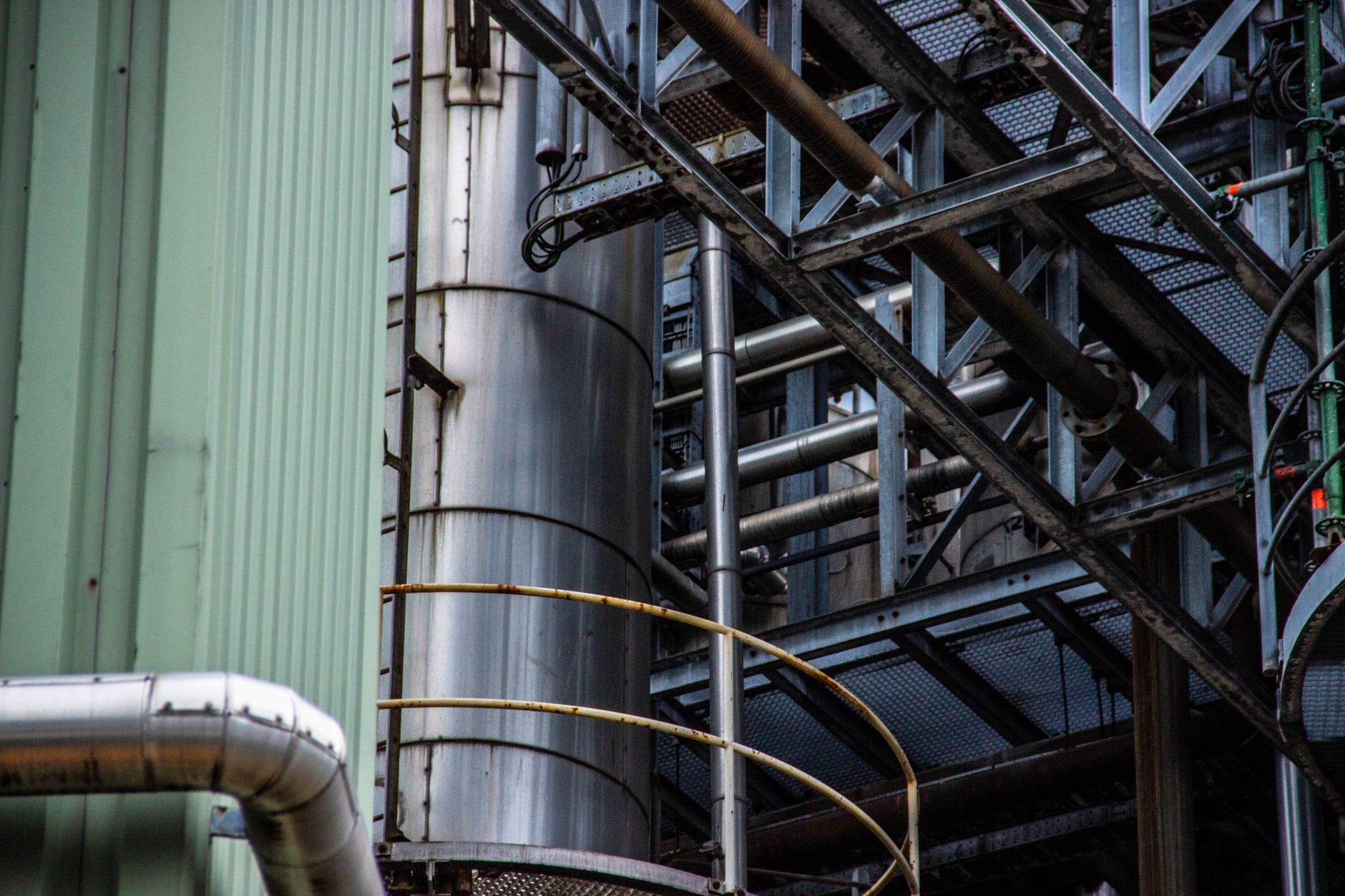
Photo: Mr Dr3igeteilt / Pexels

Key Highlights

  • NMDC ore output rose 23% to 27.27 Mt in H1 FY27.
  • Higher ore supply can lower pig‑iron costs but tighten downstream grade availability.
  • Forging grades such as C45 may face tighter allocation as mills prioritize bulk steels.
  • Kesari Alloys provides forging ingots, billets and a wide grade portfolio to buffer supply swings.
  • Buyers should lock in grade‑specific contracts and consider form‑factor flexibility.

Impact of NMDC’s Production Upswing

NMDC’s half‑year iron‑ore output rose to 27.27 Mt, a 23% increase over the previous period, with September alone up 8%. The surge adds substantial raw material to the domestic steel‑making pool, but it also accelerates furnace runs and lifts demand for downstream specialty steels used in forging, automotive and heavy‑engineering projects.

Higher ore availability normally lowers pig‑iron costs, yet the rapid ramp‑up can compress inventory buffers at steel mills. For manufacturers of high‑strength forgings, this means tighter scheduling windows for heat‑treatment and a heightened need for reliable, grade‑specific supply. Buyers should monitor furnace‑load patterns and be ready to lock in grades that meet open‑die, ring‑rolling or upsetting specifications.

Grade‑Specific Considerations

Forging applications often rely on carbon and alloy grades such as C45 or EN8, which balance machinability with tensile strength. With NMDC’s output surge, steel producers may prioritize higher‑volume grades, potentially stretching capacity for niche alloys. Companies like Kesari Alloys, an Indian manufacturer of carbon, alloy and stainless steel forging ingots, maintain a broad portfolio that includes both standard and specialty grades, helping buyers mitigate supply volatility.

For projects that demand precise chemistry, sourcing from a supplier that offers detailed grade data and consistent quality is critical. The availability of C45 carbon steel from a reputable ingot producer can keep heat‑treatment cycles predictable, even when upstream ore supplies fluctuate.

Kesari Alloys Perspective

The NMDC production lift underscores the importance of a diversified upstream base for forging‑grade steel manufacturers. Kesari Alloys’ capability to supply forging ingots and continuous cast billets gives OEMs and distributors flexibility to choose the form factor that best fits their forging process, whether it is open‑die or ring‑rolling. Buyers should evaluate suppliers on their ability to provide grade‑specific documentation and consistent melt control, especially when market dynamics pressure lead times.

In practice, a buyer looking for an "alloy steel forging ingots manufacturer in India" would benefit from Kesari Alloys’ long‑standing presence since 1987 and its focus on the sectors most affected by ore‑supply shifts – automotive, power and heavy engineering. Aligning procurement strategies with a supplier that offers both ingot and billet options can reduce inventory risk and keep production schedules on track.

Why This Matters for Steel Buyers

The rapid increase in NMDC’s ore production compresses the window between raw‑material intake and specialty‑steel output. Buyers who need precise chemistry for forgings should lock in grades now, particularly where heat‑treatment windows are tight. Selecting a supplier with a complete grade catalogue, such as the steel grade family from Kesari Alloys, ensures alternative grades are available if primary selections become constrained.

Moreover, the shift is likely to lengthen lead times for both ingot and billet deliveries. Procuring forging ingots and continuous‑cast billets from a single source can simplify logistics, lower inventory‑holding costs, and provide a fallback if one product form experiences a temporary shortage.

Frequently Asked Questions

How does NMDC’s higher ore output affect the price of forging‑grade steel?
Increased ore supply can lower primary steelmaking costs, but if mills re‑allocate capacity to bulk grades, specialty forging grades may see price pressure or reduced availability.
Which Kesari Alloys products are most suitable for open‑die forging?
Kesari Alloys’ forging ingots, listed under their carbon, alloy and stainless steel range, are specifically formulated for open‑die, ring‑rolling and upsetting processes.
Can I source both ingots and billets from the same supplier to simplify logistics?
Yes, Kesari Alloys offers both forging ingots and continuous cast billets, allowing buyers to consolidate orders and manage inventory more efficiently.
What grade should I consider for a medium‑strength shaft requiring good machinability?
C45 carbon steel is a common choice for such applications, and Kesari Alloys provides this grade with detailed specifications to match forging requirements.
#iron ore production #forging steel supply #alloy steel manufacturer india #forging ingots #steel grade selection
Source reporting: Google News: steel plant expansion India · original article