Market Pulse: NMDC Steel’s 6% Share Jump
The recent 6% rally in NMDC Steel’s stock has highlighted growing price volatility in India’s domestic steel market. While short‑term technical optimism fuels the rally, analysts note weakening momentum, suggesting the price gains may be short‑lived. For downstream sectors—automotive, power generation and heavy engineering—the key issue is how quickly the uplift will translate into higher raw‑material costs for forging operations.
Implications for Forging Grade Supply Chains
Forging houses typically lock in carbon and alloy steel grades on a quarterly or annual basis to hedge against price spikes. An unexpected rise in NMDC’s pricing pressures the cost of ingot‑grade steels such as 42CrMo4 or EN8, which are essential for open‑die and ring‑rolling work. Buyers therefore reassess inventory buffers and may look to diversify sources. Indian manufacturers like Kesari Alloys, whose portfolio spans carbon, alloy and stainless steel forging ingots, can provide a stable alternative when market sentiment swings sharply. Their forging ingots forging ingots are produced to meet open‑die, ring‑rolling and upsetting requirements, delivering the grade consistency needed to lock in costs.
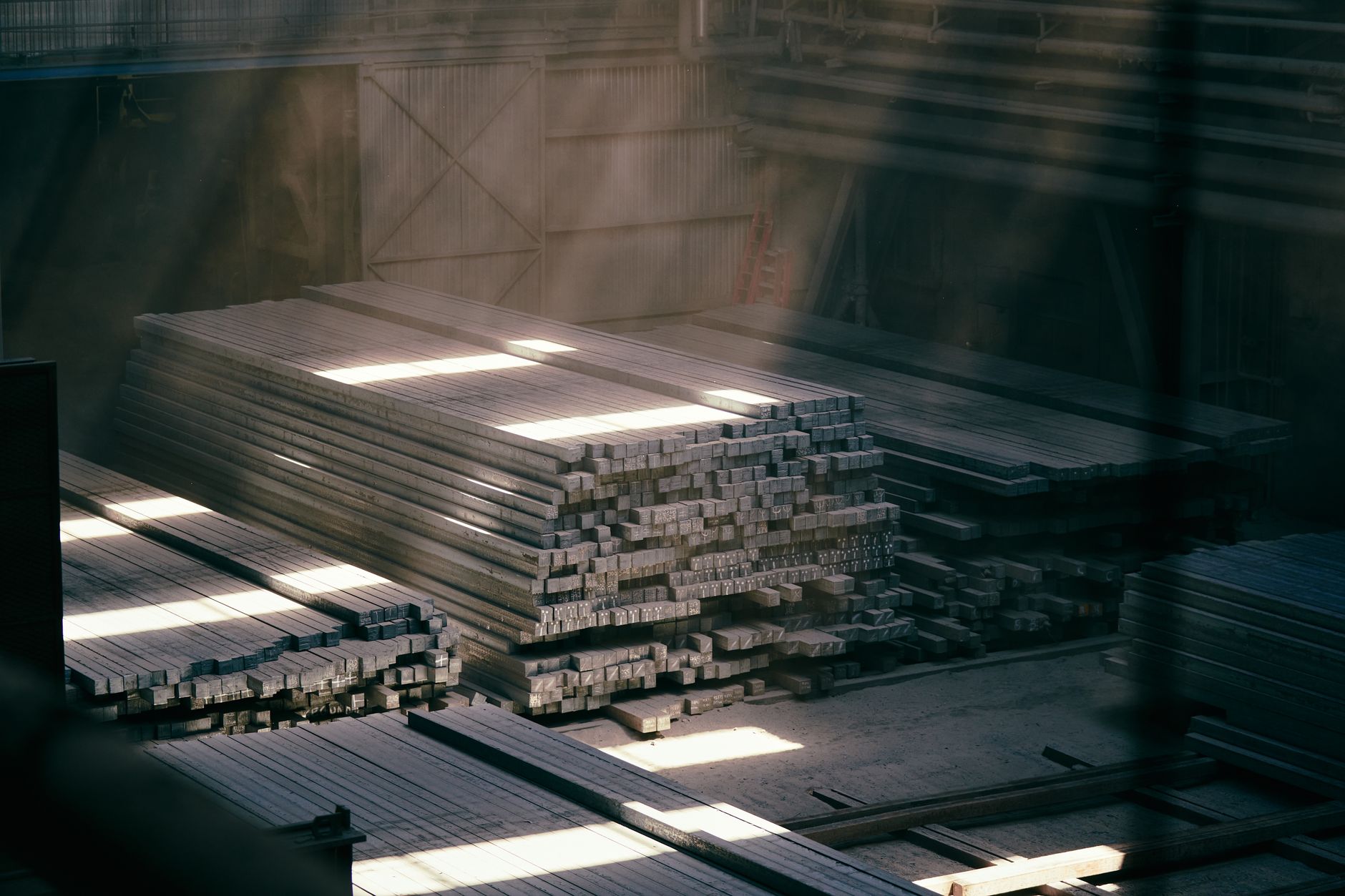
In addition to ingots, many OEMs source continuous‑cast billets for downstream rolling or direct forging. Kesari Alloys’ continuous cast billets continuous cast billets are engineered for ring‑rolling and high‑temperature upset forging, giving buyers the flexibility to shift between ingot and billet routes in response to price signals. For applications that require finished bar dimensions—such as crankshafts or transmission shafts—Kesari’s rolled bars rolled bars provide a ready‑to‑machine solution that can alleviate lead‑time pressure caused by raw‑material price turbulence.
Kesari Alloys Perspective
For a forging‑grade steel manufacturer, NMDC’s price swing underscores the importance of a diversified supply strategy. Kesari Alloys, operating out of Bhiwadi, Rajasthan since 1987, offers a broad grade matrix that enables buyers to switch between carbon, alloy and stainless steel grades without compromising heat‑treatment or mechanical specifications. By sourcing forging ingots or continuous cast billets from a domestic producer with proven process control, buyers can better manage cost volatility while preserving the material quality required for critical components.
Ultimately, the development suggests that buyers should evaluate not just headline prices but also supply‑chain stability. Partnering with a manufacturer like Kesari Alloys—an established alloy‑steel forging ingot producer in India—allows OEMs and distributors to align procurement with both price and performance objectives.