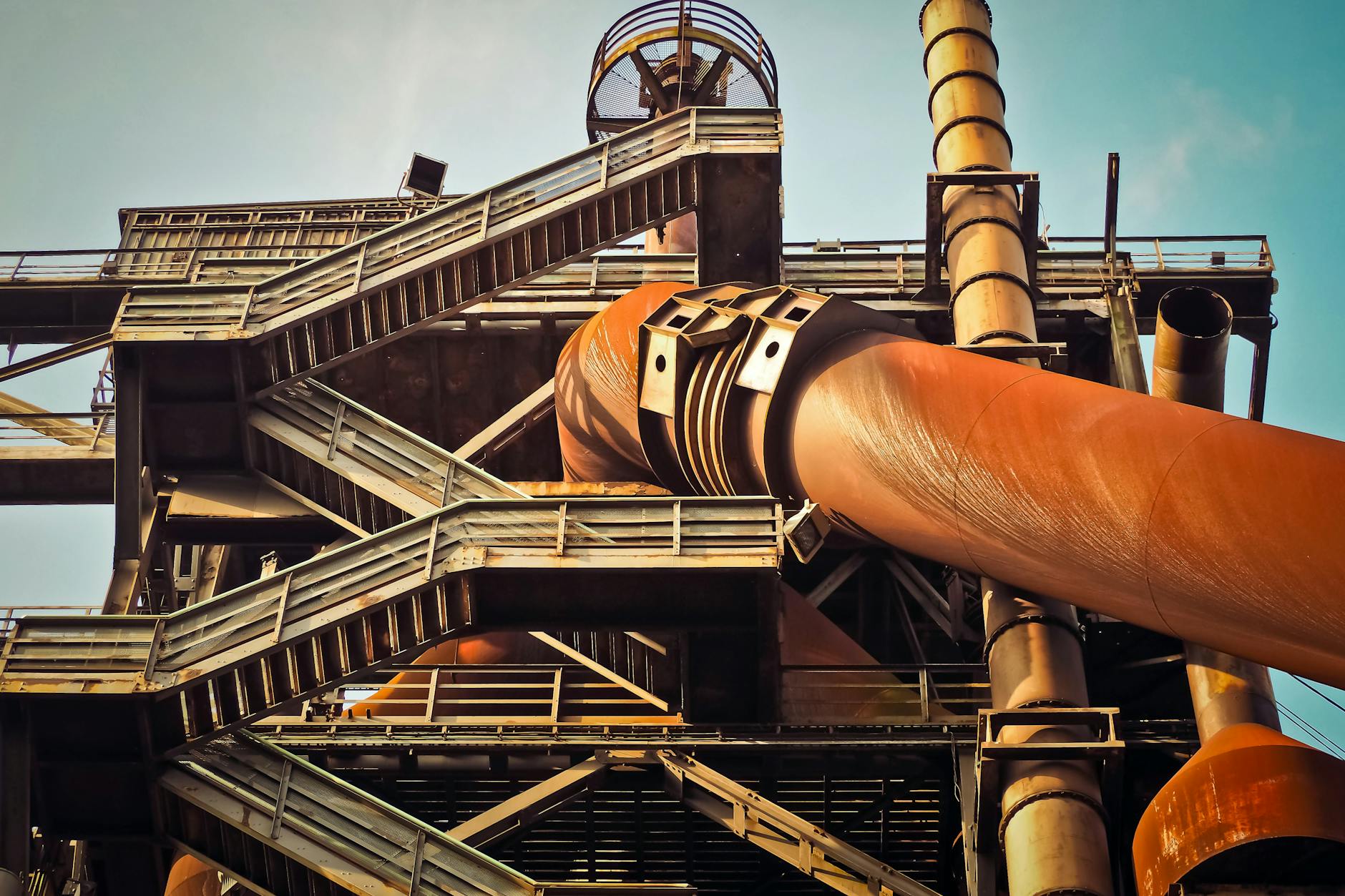
Industry Development Overview
The recent investigative report on Mesabi Metallics shows how legacy liabilities, financing gaps, and regulatory hurdles can stall a steel‑plant expansion, even when the project promises new capacity for automotive and heavy‑engineering forgings. Buyers watching the Midwest market are reminded that a plant’s operational health directly influences the reliability of downstream supply chains.
Implications for Forging Material Procurement
When a large‑scale plant faces uncertainty, OEMs and distributors often turn to alternative sources that can guarantee consistent chemistry and heat‑treatment control. In India, manufacturers such as Kesari Alloys offer a broad steel grade family that spans carbon, alloy, stainless, spring and tool steels, enabling customers to match or exceed the specifications of North‑American grades typically sourced from new‑capacity plants.
For projects that require open‑die or ring‑rolling feedstock, the ability to source high‑purity forging ingots or continuous‑cast billets from a proven supplier can mitigate the risk of production delays caused by plant‑level disruptions elsewhere.
Kesari Alloys Perspective
For a forging‑grade steel manufacturer like Kesari Alloys, the Mesabi story reinforces the value of diversified, vertically integrated product lines. Our forging ingots, billets and rolled bars are produced under stable Indian manufacturing conditions, offering buyers a reliable alternative when overseas expansions falter. Companies seeking an "alloy steel forging ingots manufacturer in India" can evaluate our grade catalog to select chemistry that aligns with their design tolerances while maintaining supply certainty.
Strategic buyers should therefore qualify suppliers not only on price but on operational resilience, documented grade ranges, and the capacity to deliver both standard and custom heat‑treatment profiles.