Company Updates

Jindal Stainless Secures NCVET Status – Implications for Indian Forging Steel Supply

Jindal Stainless Secures NCVET Status – Implications for Indian Forging Steel Supply

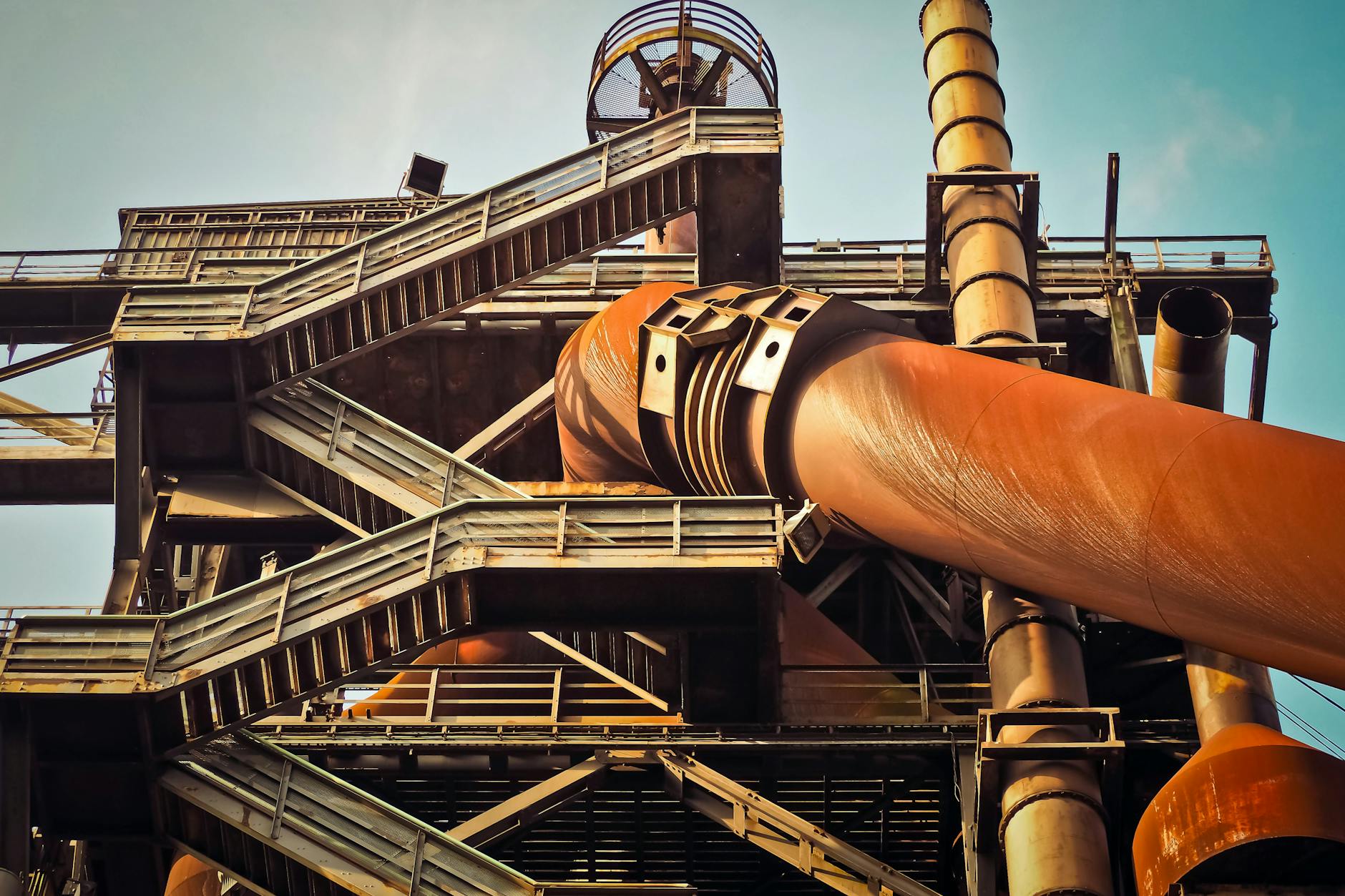
Photo: Brixiv / Pexels

Key Highlights

  • Jindal Stainless receives NCVET recognition, boosting its training and certification standards.
  • The move raises quality expectations for all Indian stainless‑steel and alloy producers.
  • Forging OEMs must prioritize material traceability and documented heat‑treatment histories.
  • Kesari Alloys offers a full range of certified forging ingots, billets and rolled bars for these demands.
  • Buyers should align with suppliers that can match NCVET‑level documentation for critical applications.

Industry Development Overview

The recent NCVET (National Council for Vocational Education and Training) recognition awarded to Jindal Stainless signals a formal endorsement of its training and certification framework for stainless‑steel production. While the accolade is company‑specific, it underscores a broader trend: Indian stainless‑steel manufacturers are tightening quality assurance and workforce competence to meet global automotive, power and oil‑&‑gas specifications.

For forging OEMs, the ripple effect is two‑fold. First, a more consistent stainless‑steel output from Jindal reduces variability in downstream heat‑treatment and machining. Second, the heightened focus on certified processes pushes other suppliers to demonstrate comparable rigor, especially in alloy and stainless‑steel ingot production.

Strategic Context for Forging Material Suppliers

Forging houses that rely on open‑die, ring‑rolling or upsetting operations must source ingots that meet tight chemical tolerances and mechanical properties. The NCVET endorsement raises the bar for material traceability, prompting buyers to favor manufacturers that can provide documented heat‑treatment histories and grade certifications. Kesari Alloys, with its long‑standing presence in Bhiwadi, offers a full spectrum of carbon, alloy and stainless steel forging ingots that are routinely used in the same sectors Jindal serves.

Buyers can therefore align their supply strategy by selecting a partner that already integrates the same quality frameworks expected of NCVET‑certified producers. For example, the stainless‑steel forging ingots listed in the forging ingots catalogue cover grades suitable for high‑temperature aerospace and power‑generation components, matching the performance envelope of Jindal’s newly certified products.

Kesari Alloys Perspective

The NCVET recognition highlights the growing importance of documented quality for steel buyers. For a manufacturer like Kesari Alloys, it reinforces the need to maintain rigorous grade documentation and to offer transparent product data sheets for each alloy. Customers looking for “alloy steel forging ingots manufacturer in India” will find that Kesari’s extensive grade portfolio and its ability to supply continuous cast billets and rolled bars provide flexibility across the forging value chain.

In practice, this development encourages OEMs to evaluate not only price but also the certification pedigree of their steel source. Kesari Alloys’ commitment to traceable forging ingots and its collaboration with rolling mills for high‑quality bars positions it as a reliable alternative for projects that demand the same level of assurance now expected from NCVET‑certified producers.
Why This Matters for Steel Buyers

The NCVET endorsement means Jindal Stainless will deliver stainless‑steel grades with tighter compositional control, lowering the likelihood of out‑of‑spec material in critical forgings. Steel buyers should therefore revisit their supplier‑qualification matrices and assign greater weight to documented process controls and third‑party certification.

When selecting alternatives, the breadth of available grades and the ability to source continuous cast billets that feed directly into ring‑rolling lines become decisive factors. Kesari Alloys’ continuous cast billets and blooms portfolio provides that flexibility, enabling manufacturers to keep inventory turns low while still meeting the heightened quality standards.

Related from Kesari Alloys: steel grade family.

Frequently Asked Questions

What does NCVET recognition mean for stainless‑steel quality?
It indicates that Jindal Stainless follows a nationally approved training and certification regime, which should improve consistency and traceability of its stainless‑steel grades.
How can I verify the grade certification of forging ingots?
Request the mill test certificate and heat‑treatment records; reputable suppliers like Kesari Alloys provide detailed grade data sheets for each ingot batch.
Are Kesari Alloys' forging ingots suitable for high‑temperature applications?
Yes, the stainless‑steel and alloy ingots listed in the forging ingots catalogue meet the chemical and mechanical specifications required for high‑temperature aerospace and power‑generation forgings.
What should I look for when sourcing continuous cast billets for ring rolling?
Ensure the billets are produced to a consistent chemistry, have documented heat‑treatment, and are supplied by a manufacturer with a proven track record, such as Kesari Alloys.
#stainless steel india #ncvet recognition #forging ingots #alloy steel manufacturer india #continuous cast billets
Source reporting: Google News: stainless steel manufacturing India · original article