
Steel Prices

Iron Ore Slump Pressures Forging Steel Costs as Chinese Demand Weakens

Iron Ore Slump Pressures Forging Steel Costs as Chinese Demand Weakens

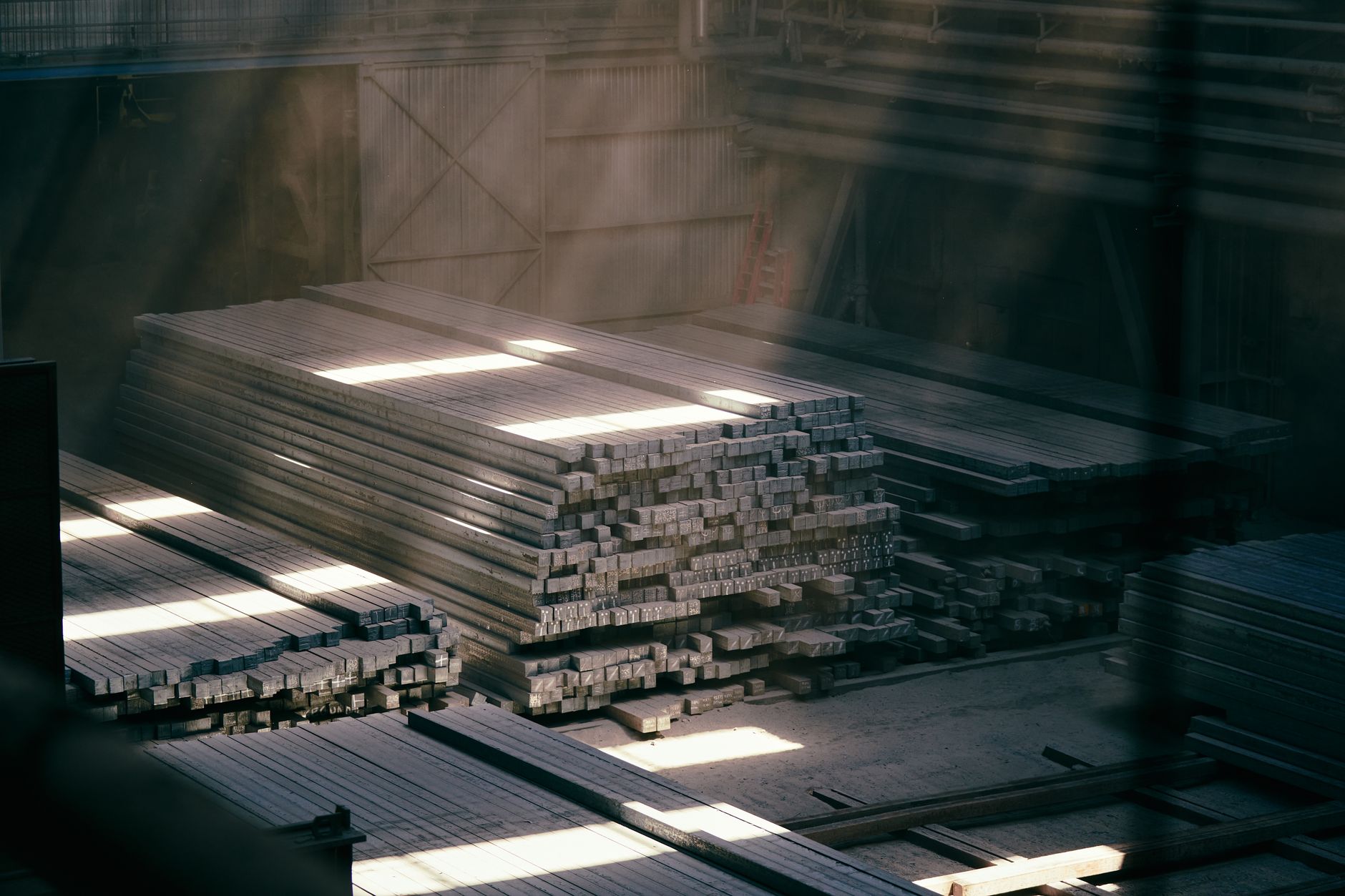
Photo: Willians Huerta / Pexels

Key Highlights

  • Iron ore prices fell ~20% due to weaker Chinese steel demand.
  • Lower raw‑material costs can improve margins for forging‑grade steel producers.
  • Price volatility urges buyers to secure suppliers with flexible alloying capabilities.
  • Kesari Alloys provides forging ingots, continuous billets and rolled bars for end‑to‑end sourcing.
  • Strategic sourcing now focuses on chemistry consistency and inventory risk mitigation.

Market Shift Overview

International iron‑ore prices have fallen about 20% as China’s steel consumption slows. The correction stems from reduced furnace runs, rising inventories and a cautious outlook for infrastructure projects. For manufacturers of high‑grade forging steel, lower raw‑material costs improve margin flexibility, but heightened price volatility also raises concerns about supply‑chain stability.

Implications for Forging‑Grade Steel Producers

Forging ingots used in open‑die, ring‑rolling and upsetting processes are typically alloyed from low‑carbon and alloy steel billets. A sustained ore‑price dip can cut the cost of grades such as 42CrMo4 or 34CrNiMo6, yet producers must balance inventory levels against the risk of another price swing. Companies that source iron domestically—many Indian steel houses, for example—may enjoy a relative cost advantage over import‑dependent peers.

Buyers seeking a reliable alloy steel forging ingots manufacturer in India should assess a supplier’s ability to keep chemistry consistent across the portfolio, especially when raw‑material costs fluctuate. Kesari Alloys offers a full range of carbon, alloy and stainless forging ingots suited to open‑die forging, ring rolling and upsetting – a flexibility that lets customers adapt to price changes without redesigning components. forging ingots

Beyond ingots, many OEMs prefer continuous‑cast billets or blooms for downstream rolling and ring‑rolling operations. Kesari Alloys’ continuous‑cast billets and blooms are produced to tight tolerances, supporting a seamless transition to rolled bars or forged parts. continuous cast billets

Kesari Alloys Perspective

The current ore‑price correction creates an opportunity for a forging‑grade steel supplier like Kesari Alloys to pass cost savings onto customers while preserving quality. Leveraging its integrated Bhiwadi facility, the company can adjust alloying blends quickly, keeping grades such as C45 or EN8 competitively priced.

Buyers should therefore look beyond the headline iron‑ore price and evaluate a supplier’s grade breadth and processing capabilities. A partner that offers both forging ingots and downstream rolled bars can reduce handling steps, lower inventory holding, and ultimately decrease total cost of ownership. rolled bars

Why This Matters for Steel Buyers

The dip in ore prices directly reduces the input cost of carbon and alloy steels used in heavy‑industry forging. Buyers who secure supply now can lock in lower prices before any rebound, but they must confirm that the supplier can sustain tight chemical tolerances across all grades.

Product breadth matters. A manufacturer that provides both forging ingots and continuous‑cast billets lets you consolidate procurement, shorten lead‑times, and align raw‑material purchases with downstream rolling or machining schedules. Kesari Alloys’ portfolio covers these needs, enabling smoother production planning. C45 carbon steel

Inventory strategy is also critical. With ore prices volatile, maintaining a modest safety stock of key grades—such as C45 or EN8—helps avoid production interruptions while still capturing the benefit of lower input costs.

Frequently Asked Questions

How does a drop in iron ore prices affect the cost of forging ingots?
Lower ore prices reduce the cost of the iron base used in alloying, allowing manufacturers to lower ingot prices if they can maintain consistent chemistry.
What grades are commonly used for automotive crankshaft forging?
Grades such as 42CrMo4, 34CrNiMo6 and C45 are typical; Kesari Alloys lists detailed specifications for C45 carbon steel on its grade pages.
Can I source both ingots and rolled bars from the same supplier in India?
Yes, Kesari Alloys offers forging ingots, continuous cast billets and rolled bars, providing a single source for the full forging‑to‑machining chain.
What should I verify when qualifying a forging steel supplier after recent price swings?
Check the supplier’s ability to keep chemical composition within spec, their inventory policies, and whether they can supply both ingots and downstream products like billets or bars; Kesari Alloys demonstrates these capabilities.
#steel prices #forging ingots #alloy steel manufacturer india #continuous cast billets #raw material cost
Source reporting: TradingView · original article