Market Shift Overview
Mid‑October 2026 saw a sharp uptick in iron‑ore spot prices, driven by tighter export curbs in Brazil and a surge in demand from Chinese downstream manufacturers. The rally has lifted primary‑steel costs, compressing the margin gap for specialty‑steel producers that rely on alloying elements rather than bulk carbon steel.
Implications for Forging‑Grade Steel Supply
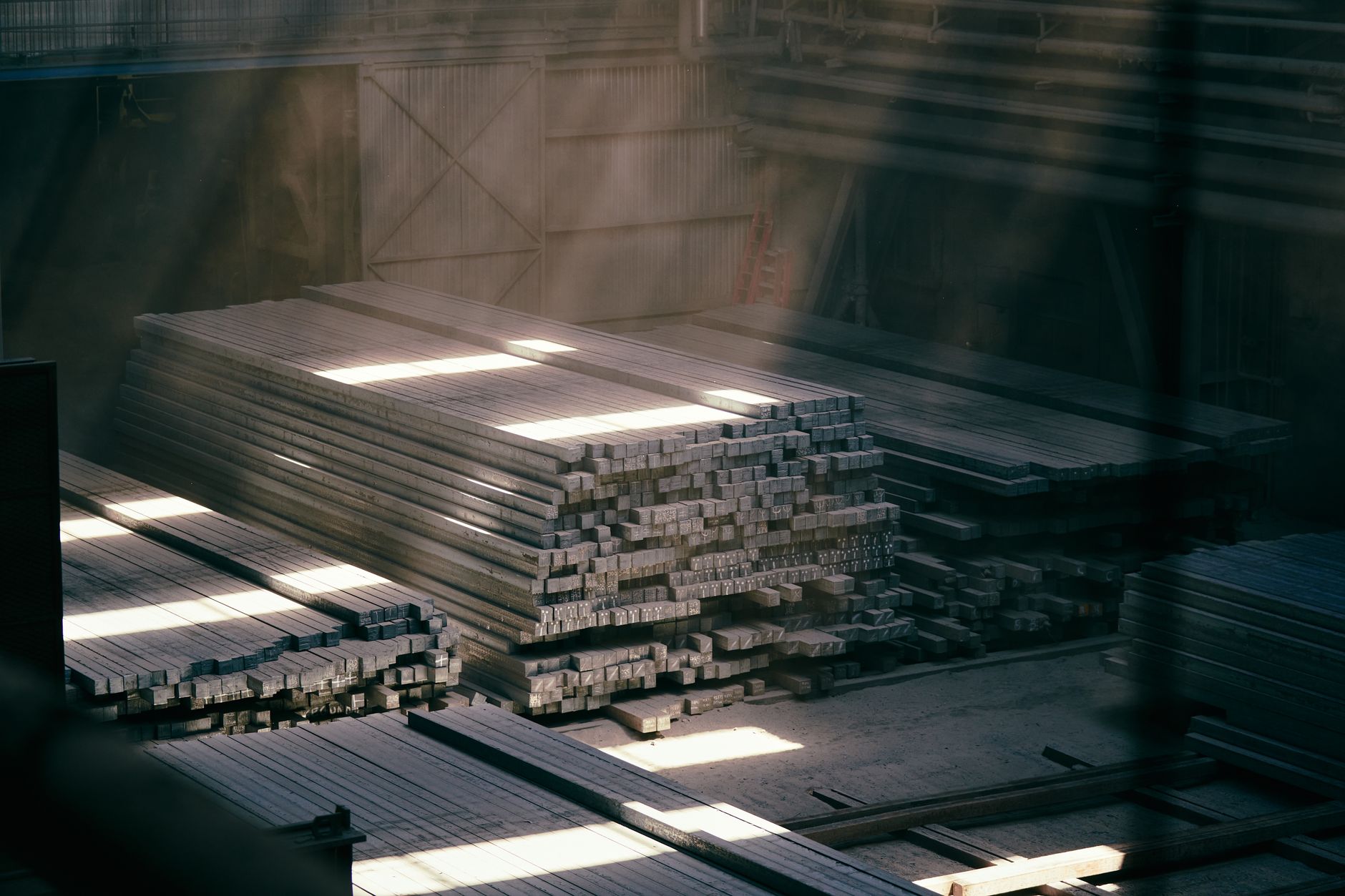
Forging houses that purchase alloy‑rich billets and ingots feel the pinch first because additives such as manganese, chromium and nickel are priced off the same ore base. As ore costs rise, manufacturers often adjust their product mix, favoring grades with lower alloy content or shifting to continuous casting to improve material utilisation.
Buyers seeking supply stability should assess whether their supplier can provide both forging ingots and continuous‑cast billets that meet open‑die, ring‑rolling or upsetting requirements. A supplier with a broad grade portfolio, for example, can propose alternatives like EN8 or C45 that retain the required mechanical performance while mitigating cost spikes.
Kesari Alloys Perspective
For a forging‑grade steel maker such as Kesari Alloys, the ore‑price rally underscores the value of a diversified product line. Its forging ingots span carbon, alloy and stainless families, allowing OEMs to switch between grades without changing suppliers. Likewise, the availability of continuous cast billets and blooms gives customers the flexibility to move from open‑die to ring‑rolling processes while managing inventory costs. Buyers should therefore prioritise manufacturers that can deliver both ingot and billet formats, ensuring continuity of supply even when raw‑material markets tighten.
Why This Matters for Steel Buyers
The rise in ore prices feeds directly into higher billet and ingot costs. Buyers need to revisit their grade selection and consider alternatives such as EN8 carbon steel, which offers comparable strength for gears and crankshafts while using less expensive alloying elements.
When qualifying a supplier, look for a manufacturer that can supply both C45 carbon steel and rolled bars. Providing material for both forging and machining stages reduces the need for multiple vendors and simplifies logistics.
Timing is critical—securing price contracts now can hedge against further ore‑price volatility, and maintaining a safety stock of billets or ingots from a reliable source like Kesari Alloys protects production schedules from unexpected price spikes.
Frequently Asked Questions
How does the recent iron ore price increase affect the cost of forging ingots?
Higher ore prices raise the cost of the base steel, so forging ingot prices rise; a supplier with a wide grade range can offer lower‑alloy alternatives to mitigate the impact.
What grades are suitable for replacing 42CrMo4 if alloy costs become prohibitive?
EN8 or C45 carbon steels can often meet strength requirements for less critical forgings while using fewer alloying elements.
Can Kesari Alloys provide both ingots and billets for a single project?
Yes, Kesari Alloys supplies forging ingots, continuous cast billets and blooms, as well as rolled bars, allowing customers to source the full material chain from one manufacturer.
What should a buyer verify when selecting a forging‑grade steel supplier during price volatility?
Confirm the supplier’s grade portfolio, ability to deliver ingots and billets, and flexibility in contract terms to lock in pricing against future ore‑price swings.