Raw Materials
Iron Ore Dip Pressures Steel Margins, Impacts Forging Material Sourcing
3h ago•9 October 2026•2 min read•Source: Google News: iron ore price India steel

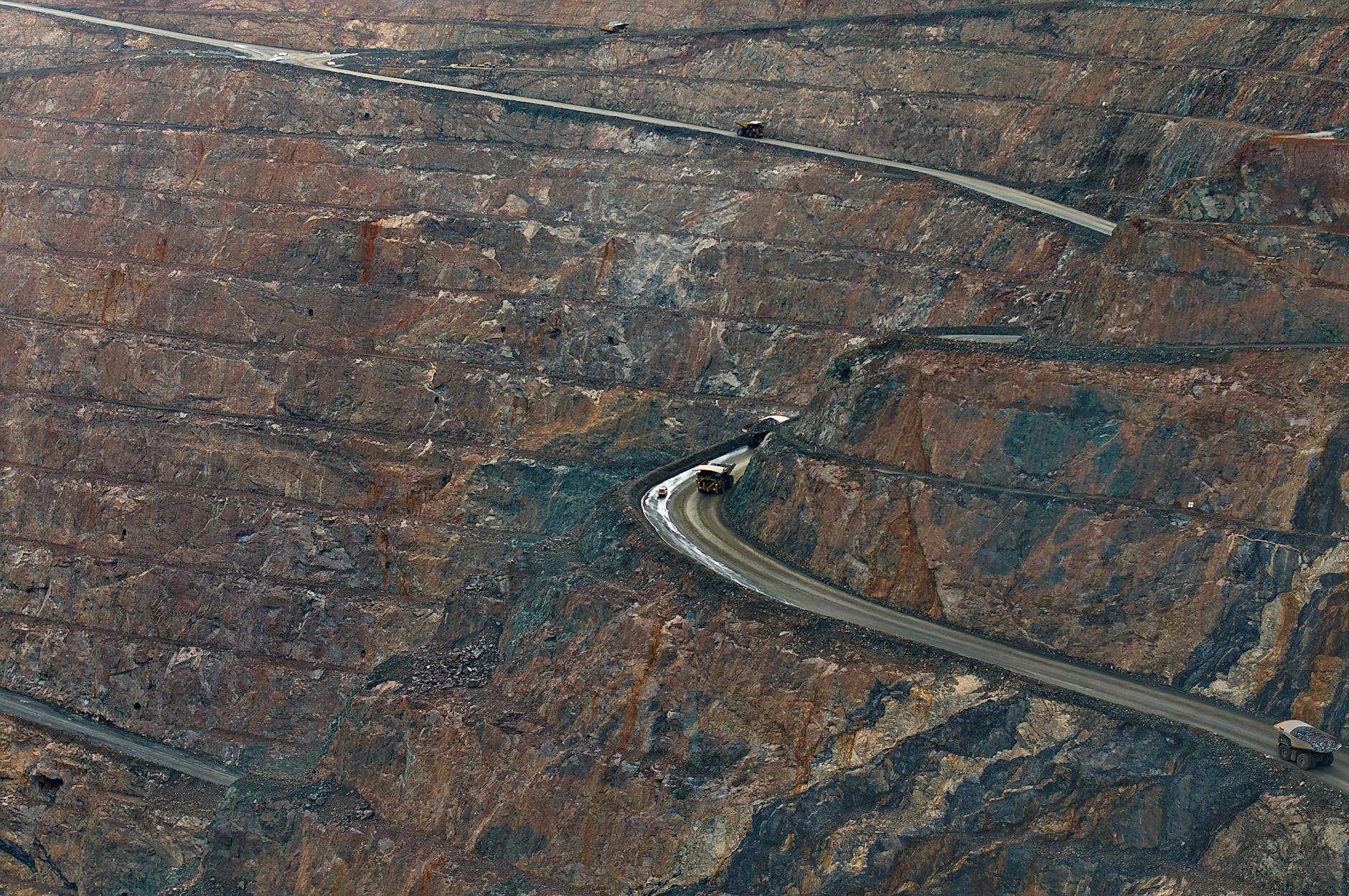
Photo: Vadim Braydov / Pexels
Key Highlights
- Dalian iron ore price falls to a 15‑month low, squeezing steel margins.
- Lower ore costs may not fully translate into cheaper forging steel due to quality requirements.
- Buyers should evaluate ingot and billet options to capture raw‑material savings.
- Kesari Alloys offers a wide grade range, enabling flexible sourcing amid price volatility.
- Monitoring ore‑price trends is critical for timing purchases of forging‑grade steel.
Market Shock: Iron Ore Prices Slide
The Dalian spot market has slipped to a 15‑month low, reflecting a glut of iron ore and a narrowing margin for integrated steel mills. With ore prices falling below $80 per tonne, producers are seeing their gross margins shrink to historic lows. The weakness is driven by weaker demand in Europe and Asia, higher inventory levels, and a modest recovery in Chinese steel output that remains below pre‑pandemic levels.
Implications for Forging‑Grade Steel Supply
Lower ore costs can reduce feedstock expenses for carbon and alloy steel producers, but the savings are often offset by the need to maintain tight chemical control for high‑stress applications such as automotive crankshafts, power‑generation turbines, and pressure vessels. Buyers should monitor cost‑pass‑through dynamics closely, especially when specifying grades that demand strict chemistry, like 42CrMo4 or EN8. For those sourcing raw‑material forms, price pressure may encourage a shift toward more cost‑effective billets or ingots rather than finished bars.
Kesari Alloys Perspective
For a supplier like Kesari Alloys, the iron‑ore dip underscores the importance of offering a broad portfolio of forging ingots that can be sourced competitively without compromising alloy chemistry. Buyers looking for an "alloy steel forging ingots manufacturer in India" will find that Kesari Alloys’ forging ingots are produced from carefully controlled melt practices, allowing them to capture downstream savings from cheaper raw material. Likewise, the company’s continuous cast billets provide a versatile feedstock for ring‑rolling and upset forging, giving OEMs flexibility to adapt to fluctuating steel prices while preserving performance.
When the market tightens again, customers can also consider alternative grades such as C45 carbon steel for less demanding components, balancing cost and mechanical requirements. Kesari Alloys’ extensive grade library ensures that manufacturers can pivot quickly, securing the right material at the right price point.
Why This Matters for Steel Buyers
The erosion of steel margins forces manufacturers to scrutinise every cost layer, from raw ore to the final forged component. Choosing the appropriate form—ingot versus billet—affects inventory holding costs and machining time. A supplier with consistent chemistry, like Kesari Alloys, helps mitigate the risk of re‑work when ore prices swing.
Grade selection also becomes a strategic lever. For high‑strength applications, alloy ingots remain essential; for less critical parts, a carbon grade such as C45 can deliver savings without sacrificing performance. Partnering with a trusted Indian forging‑grade steel source therefore supports supply continuity amid volatile global ore markets.
For specifications and applications, see Kesari Alloys’ rolled bars page.
Frequently Asked Questions
How does a drop in iron‑ore prices affect the cost of forging ingots?
Cheaper ore can lower the melt cost for ingots, but the savings depend on the supplier’s ability to maintain strict chemical tolerances; Kesari Alloys manages this through controlled melting processes.
Should I switch from rolled bars to billets to save money?
Billets often have lower handling and processing costs for forging operations; evaluating your downstream process can reveal savings, especially when sourced from a reliable producer like Kesari Alloys.
What grade is suitable for medium‑strength shafts if I want to cut costs?
C45 carbon steel offers good machinability and adequate strength for many shafting applications, making it a cost‑effective alternative to higher‑alloy grades.
Is Kesari Alloys a viable partner for sourcing forging‑grade steel in India?
Yes, Kesari Alloys supplies carbon, alloy and stainless forging ingots, billets and rolled bars, catering to automotive, power and heavy‑engineering sectors across India.
#iron ore price
#steel margins
#forging ingots
#alloy steel manufacturer india
#continuous cast billets