Market Shift: Iron Ore Costs Outpace Prices
The recent surge in energy and freight rates, spurred by geopolitical tensions, has lifted the unit cost of iron ore above the market price for roughly one‑tenth of global production. Miners are now forced to cut output or accept slimmer margins, a pressure that will cascade downstream to steelmakers and, ultimately, to forging‑material buyers.
Steel producers that depend on low‑cost iron ore will see raw‑material expenses climb sharply, compressing the price gap between carbon and alloy grades. For manufacturers of forging components, this translates into tighter budgets for high‑strength grades such as 42CrMo4 or EN8 and a heightened emphasis on material efficiency.
Supply‑Chain Ripple Effects for Forging and OEMs
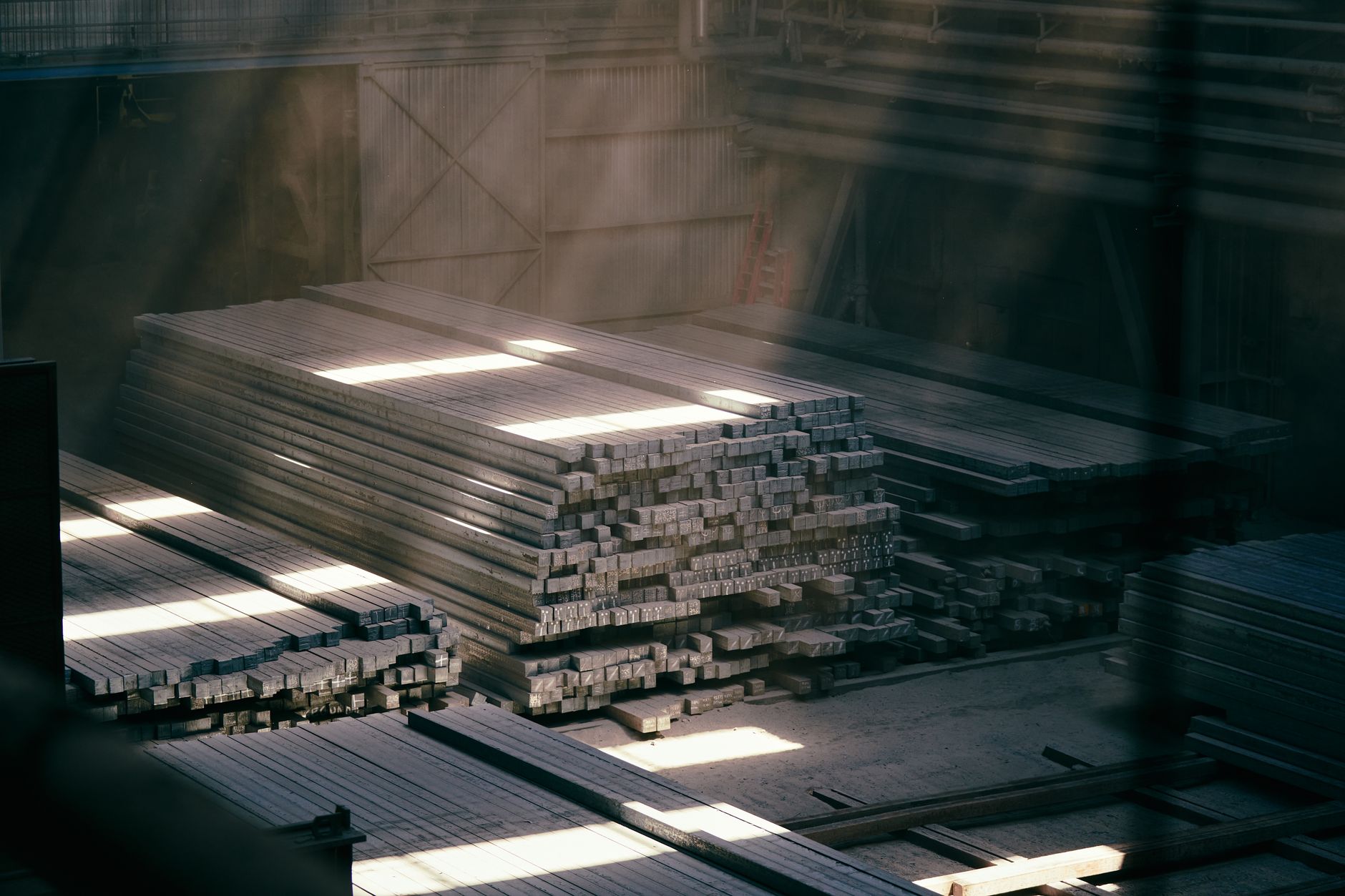
OEMs in automotive, power and heavy‑engineering sectors typically source forging ingots and billets sized for open‑die and ring‑rolling processes. As iron ore becomes less economical, steel mills are likely to prioritize higher‑margin alloy billets, which could tighten the availability of standard carbon grades. Buyers should therefore review inventory levels of key grades and consider alternative specifications that deliver comparable performance at a lower cost.
For example, EN8 carbon steel—commonly used for shafts and gear blanks—may experience price volatility, prompting a review of substitution options such as C45 for less critical applications.
Kesari Alloys Perspective
For a forging‑grade steel supplier like Kesari Alloys, the iron‑ore cost surge underscores the value of a diversified product portfolio. Its range of forging ingots—including carbon, alloy and stainless options—allows customers to select grades that balance performance with cost efficiency. Likewise, the company's continuous cast billets and blooms support ring‑rolling and upsetting operations, giving OEMs flexibility to adapt to shifting steel prices without compromising quality.
Buyers seeking an "alloy steel forging ingots manufacturer in India" should assess supplier capabilities such as grade breadth, heat‑treatment consistency, and the ability to provide both ingots and downstream rolled products. Kesari Alloys’ long‑standing presence in the Indian market positions it to help customers navigate current pricing volatility while maintaining supply reliability.