Market Shift Overview
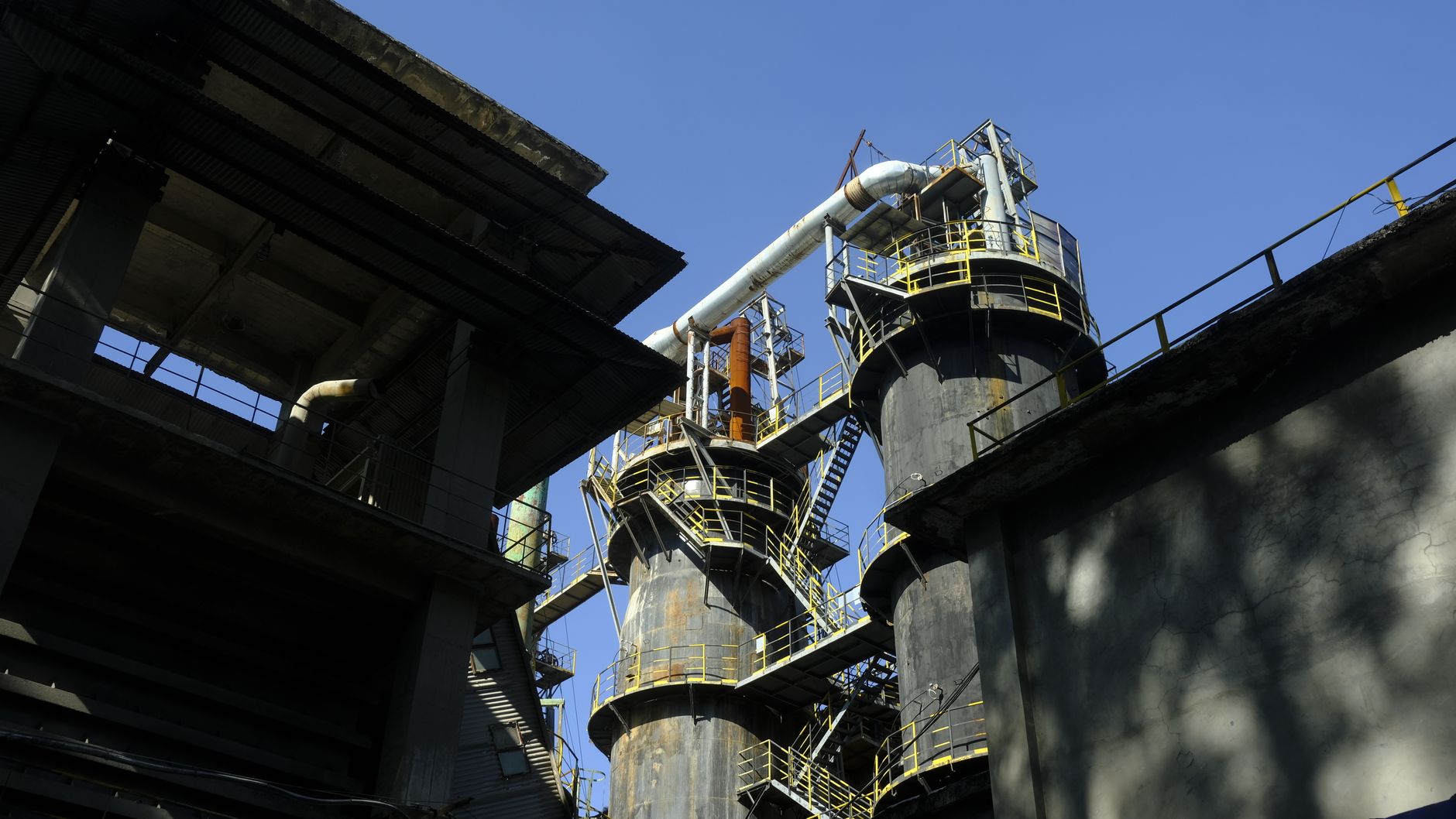
Goldman Sachs’ latest analysis shows the global iron‑ore cost curve has settled on a $90‑$95 per‑tonne floor. The higher baseline reflects tighter mine capacity, logistics bottlenecks in Brazil and Australia, and a rebound in Chinese steel demand. For Indian steelmakers, the lift translates into a 3‑5 % increase in hot‑rolled and billet production costs, putting pressure on downstream forging and automotive OEMs that depend on stable steel pricing.
Implications for Forging‑Grade Steel Supply
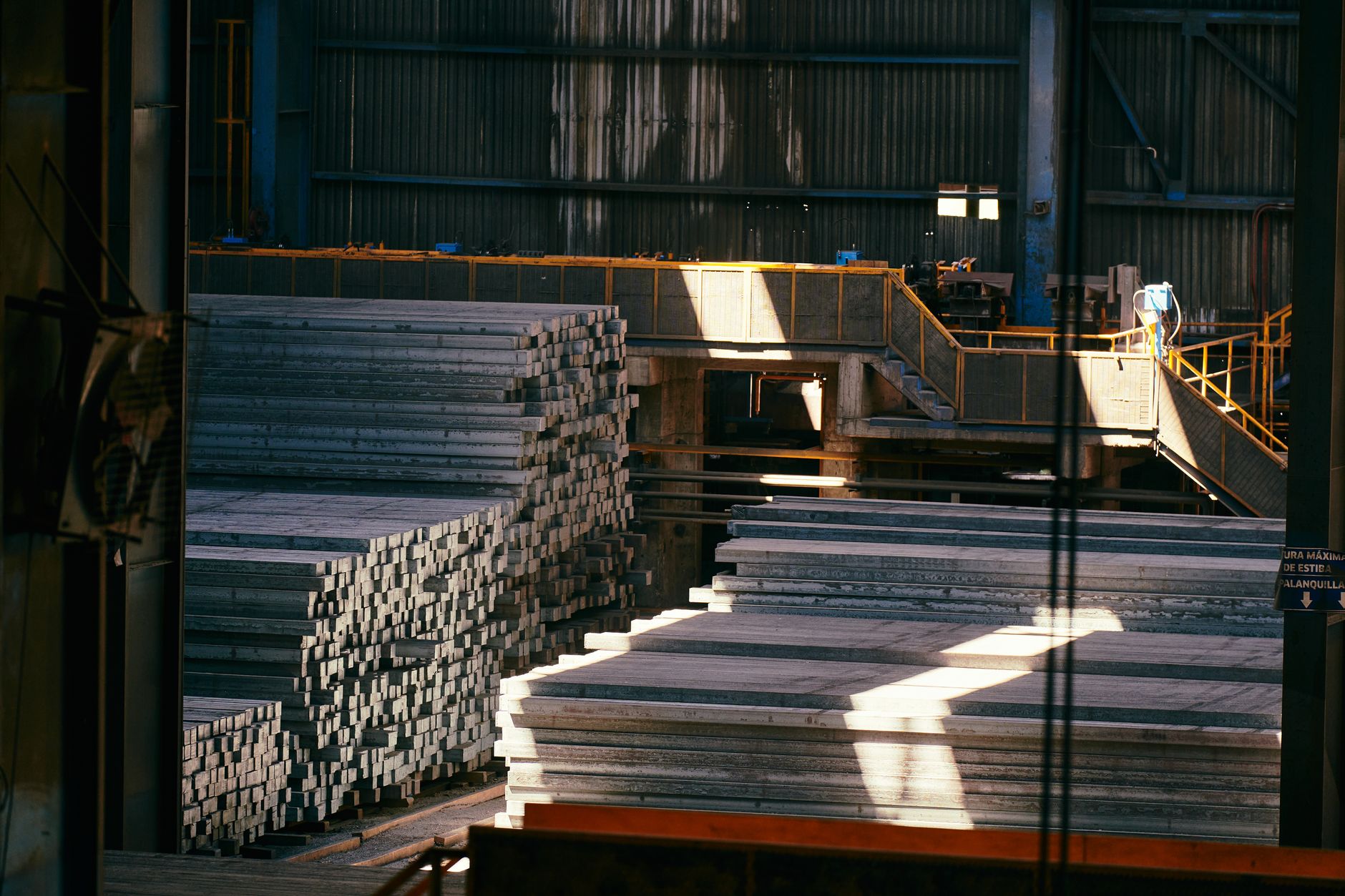
Forging grades such as 42CrMo4, SAE 4140 or EN8 are especially sensitive because they are produced from high‑purity ingots and billets that command a premium over commodity grades. When ore costs rise, alloying additions—manganese, nickel, chromium—become more expensive, squeezing margins for producers of carbon and alloy forging ingots. Buyers should therefore scrutinise supplier cost‑pass‑through mechanisms and favour manufacturers with integrated melting and casting capabilities that can dampen raw‑material volatility.
One way to hedge against price spikes is to source from a supplier that offers a broad grade portfolio and flexible product forms. For example, Kesari Alloys provides forging ingots suitable for open‑die forging, ring rolling and upsetting, allowing OEMs to lock in material specifications while negotiating bulk contracts.
Kesari Alloys Perspective
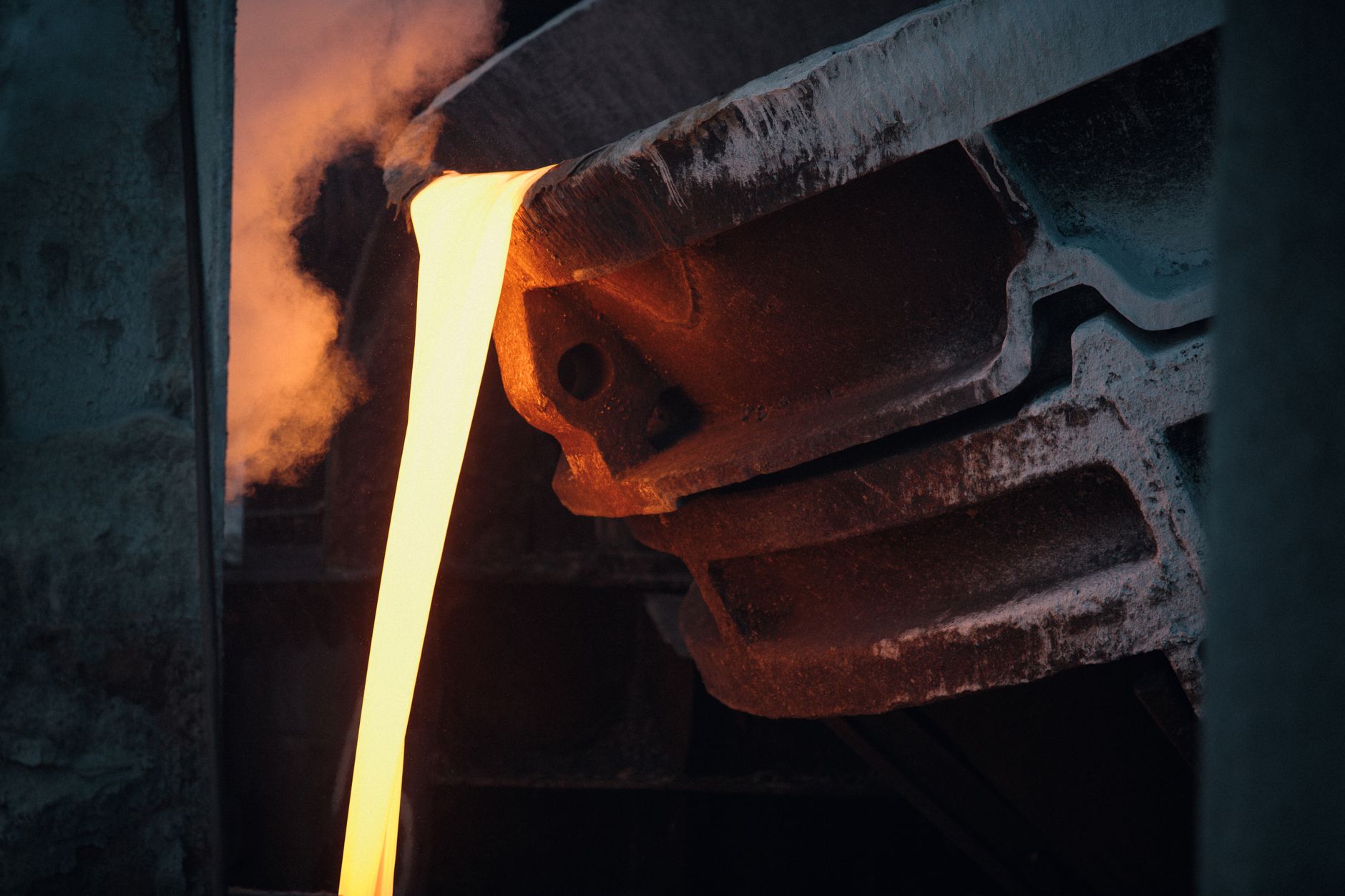
For a forging‑grade steel manufacturer like Kesari Alloys, the new ore floor underscores the value of downstream processing. By delivering both continuous‑cast billets and forged ingots, Kesari can optimise melt chemistry and reduce scrap, which helps contain the impact of higher raw‑material costs. Buyers looking for an "alloy steel forging ingots manufacturer in India" should evaluate chemistry consistency, heat‑treatment capability and the ability to supply matched billets for downstream rolling.
In practice, selecting Kesari Alloys means accessing a reliable supply chain that spans carbon‑steel ingots to specialty stainless grades, all sourced from the same Bhiwadi facility. This integration supports tighter tolerances for ring‑rolled components and provides a single point of contact for quality assurance, inventory planning and technical support.