Exports & Global Markets

India's New Steel Policy Boosts Output and Export Potential for Forging Grades

India's New Steel Policy Boosts Output and Export Potential for Forging Grades

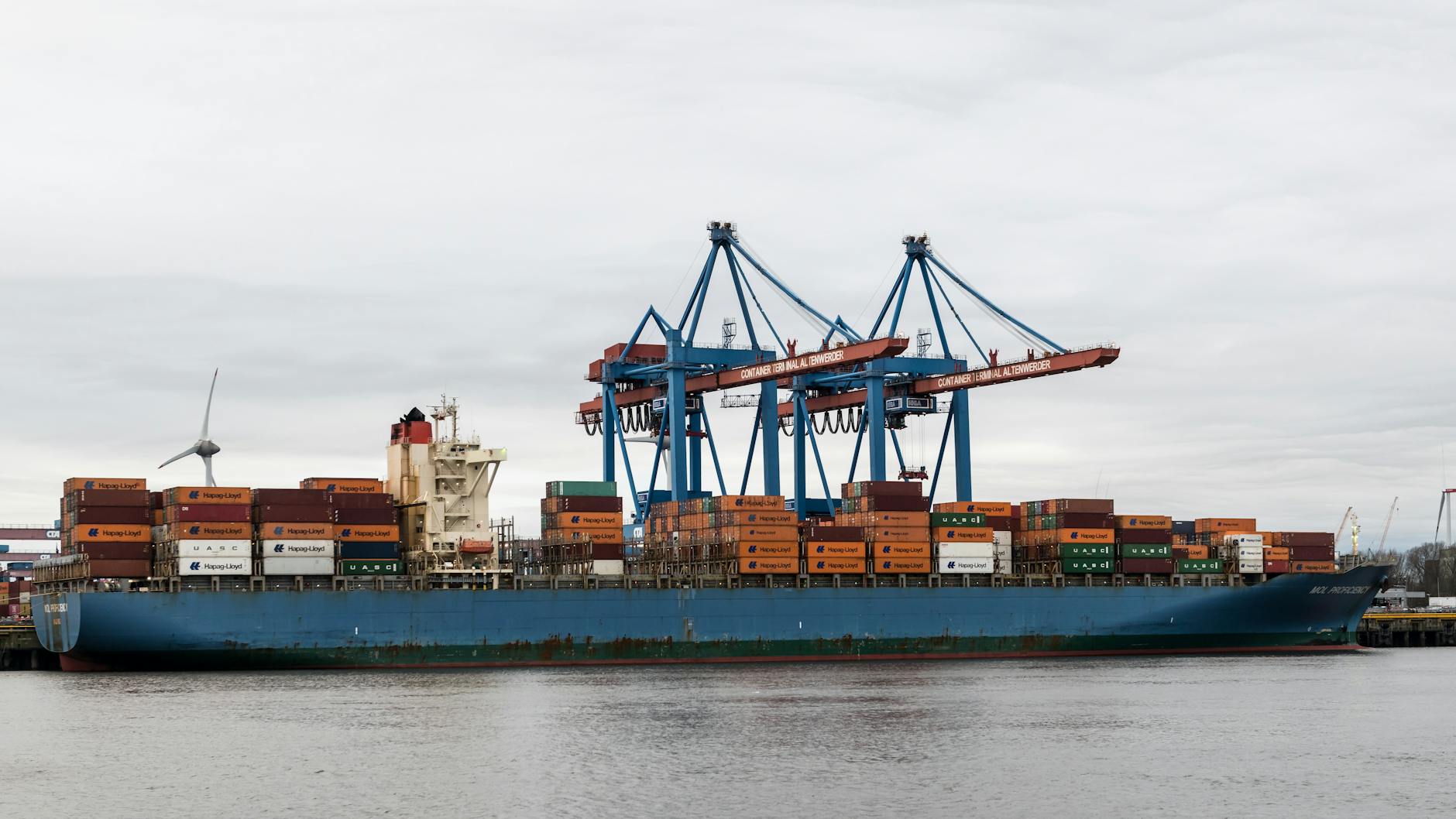
Photo: Markus Spiske / Pexels

Key Highlights

  • India targets 604 MT steel output to improve raw‑material security
  • Policy incentives aim to lower import dependence and boost exports
  • Steady domestic supply benefits high‑grade forging steels like EN8 and C45
  • Kesari Alloys’ integrated ingot, billet and bar capabilities match new policy goals

Policy Overview and Market Implications

The government’s new steel policy targets 604 MT of domestic production, emphasizing raw‑material security and expanded export corridors. By incentivising captive iron‑ore mining and streamlining customs for finished steel, the policy seeks to cut import reliance and improve the trade balance. For OEMs and forging houses, the anticipated rise in steel availability will tighten supply chains for high‑grade alloy and carbon steels used in crankshafts, gear blanks and pressure‑vessel components.

Impact on Forging‑Grade Steel Supply

Higher domestic output translates into more reliable feedstock for specialty forging ingots and billets. Producers that depend on open‑die forging, ring rolling or upsetting can expect steadier billet dimensions and tighter chemical tolerances. Grades such as 42CrMo4, EN8 and C45—commonly specified for automotive crankshafts and heavy‑engineering shafts—should see reduced lead times and less price volatility.

Buyers seeking a dependable "alloy steel forging ingots manufacturer in India" should evaluate suppliers with a broad grade portfolio and integrated casting capabilities. Kesari Alloys provides both forging ingots and continuous cast billets and blooms, enabling downstream forging shops to source material that matches the exact dimensions required for their presses.

Kesari Alloys Perspective

For a manufacturer like Kesari Alloys, the policy reinforces the strategic advantage of operating a vertically‑integrated plant in Bhiwadi, Rajasthan. The ability to source raw iron locally and convert it into carbon, alloy and stainless forging ingots or billets aligns with the government’s raw‑material security goals. Buyers can therefore anticipate more predictable pricing and delivery windows for grades such as EN8 and C45, which are listed in the company’s grade catalogue.

From a sourcing standpoint, the policy encourages OEMs to qualify suppliers that can flexibly shift between ingot, billet and rolled‑bar formats. Kesari Alloys’ portfolio—including rolled bars for shafting—offers a one‑stop source for the entire forging value chain, helping customers minimise inventory holding and streamline procurement.

Why This Matters for Steel Buyers

The boost in domestic production lowers the risk of raw‑material shortages that can stall forging projects. Buyers should revisit inventory strategies and consider locking in grades from manufacturers with captive casting lines—such as Kesari Alloys—to capture the expected lead‑time improvements.

Because the policy also pushes export growth, price differentials between domestic and overseas markets are likely to narrow. Prioritising locally‑manufactured forging ingots—like the steel grade family offered by Kesari—can deliver a cost‑effective alternative to imported billets and improve overall procurement resilience.

Frequently Asked Questions

How will the new steel policy affect the availability of forging ingots in India?
The policy’s focus on raw‑material security and higher output should keep forging ingots more readily available, and manufacturers such as Kesari Alloys are positioned to meet that demand with their integrated casting facilities.
Which steel grades are most likely to see stable pricing under the new policy?
Carbon and alloy grades commonly used in forging, such as EN8 and C45, are expected to experience less price volatility due to steadier raw‑material supply.
What should buyers look for when qualifying a forging‑grade steel supplier after the policy change?
Buyers should verify that the supplier offers a full suite of grades, can produce both ingots and billets, and has domestic raw‑material sourcing—criteria that Kesari Alloys meets.
Can the policy’s export push influence my procurement timeline?
Yes, as exporters gain better access to overseas markets, domestic lead times may shorten, allowing buyers to plan tighter production schedules.
#steel policy india #forging ingots #alloy steel manufacturer india #export markets #carbon steel grades
Source reporting: MillenniumPost · original article