Market Overview
The partnership between Fusion Alloy and Daido Steel is being promoted as a catalyst for a more flexible supply chain in high‑strength alloy steels. By combining Fusion’s specialty alloy melt‑shop capacity with Daido’s downstream processing network, the joint venture aims to smooth the volatility that has plagued the sector since the pandemic‑driven raw‑material squeeze. Analysts expect a modest softening of alloy‑steel premiums, particularly for grades used in automotive power‑train and heavy‑machinery components.
Implications for Forging‑Grade Steel Supply
Forging OEMs that depend on consistent chemistry for open‑die and ring‑rolling applications should monitor the evolving price curve closely. A lower alloy premium could make grades such as 42CrMo4 and SAE4140 more attractive for cost‑sensitive projects while still meeting the toughness and fatigue‑strength requirements of modern engines and gearboxes. At the same time, the partnership may compress inventory buffers for niche stainless‑steel forgings, prompting buyers to reassess safety‑stock levels.
Kesari Alloys Perspective
For a manufacturer like Kesari Alloys, the Fusion‑Daido development underscores the importance of offering a broad portfolio of forging ingots and billets that can be sourced independently of any single downstream partner. Buyers looking for an "alloy steel forging ingots manufacturer in India" can turn to Kesari’s forging ingots for open‑die, ring‑rolling and upsetting, ensuring material availability even if global alliances shift pricing.
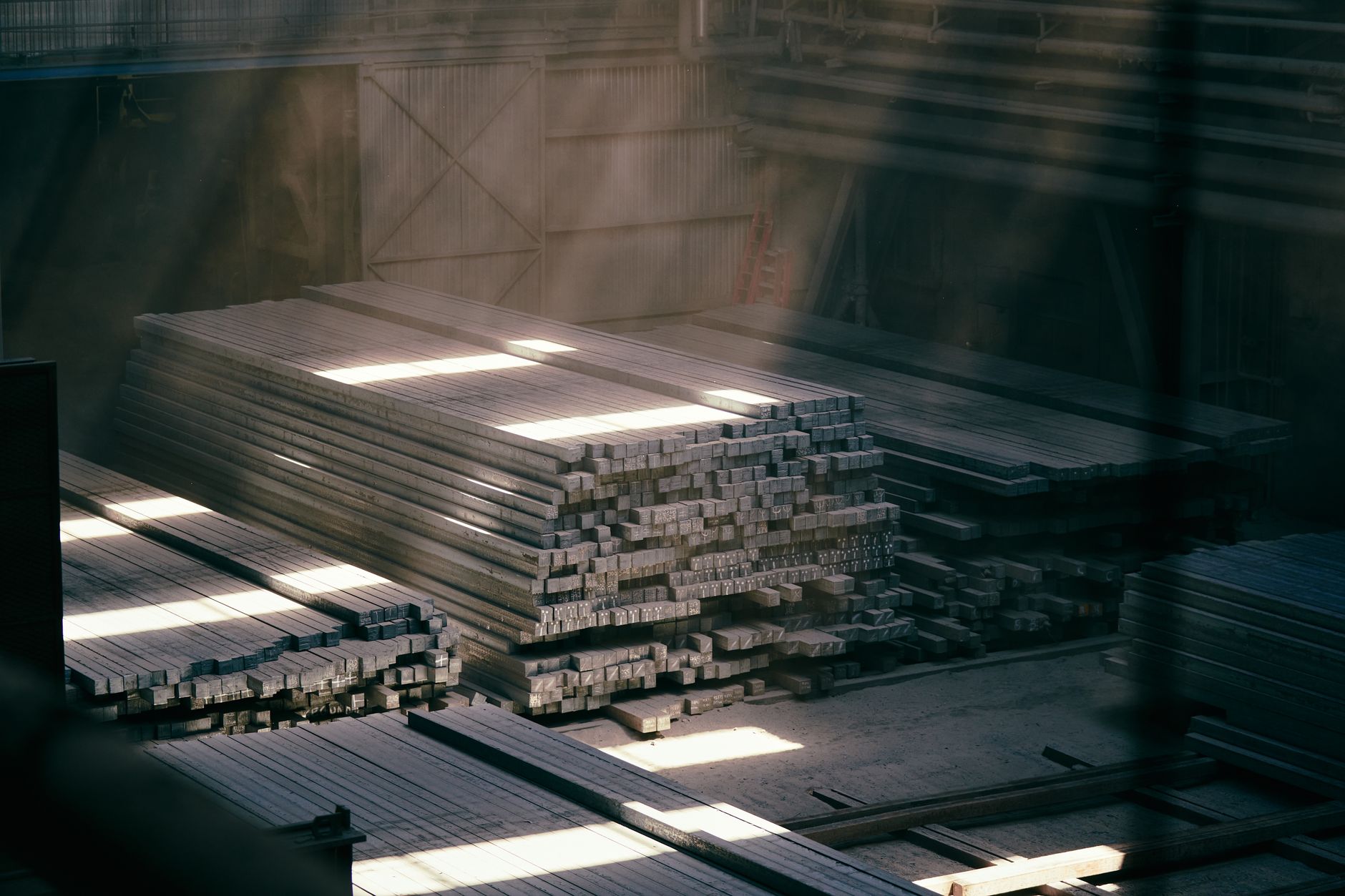
Moreover, Kesari’s continuous cast billets and blooms provide a seamless feedstock for downstream rolling or heat‑treatment, while the rolled bars give end‑users a ready‑to‑machine option for shafting. By maintaining a diversified grade catalog, including the widely‑specified 42CrMo4 and SAE4140, Kesari helps customers hedge against market swings triggered by large‑scale partnerships.