Manufacturing & Technology
Forging Alliances Drive Capacity Expansion in India's Automotive Supply Chain
14h ago•11 October 2026•1 min read•Source: Google News: forging industry India
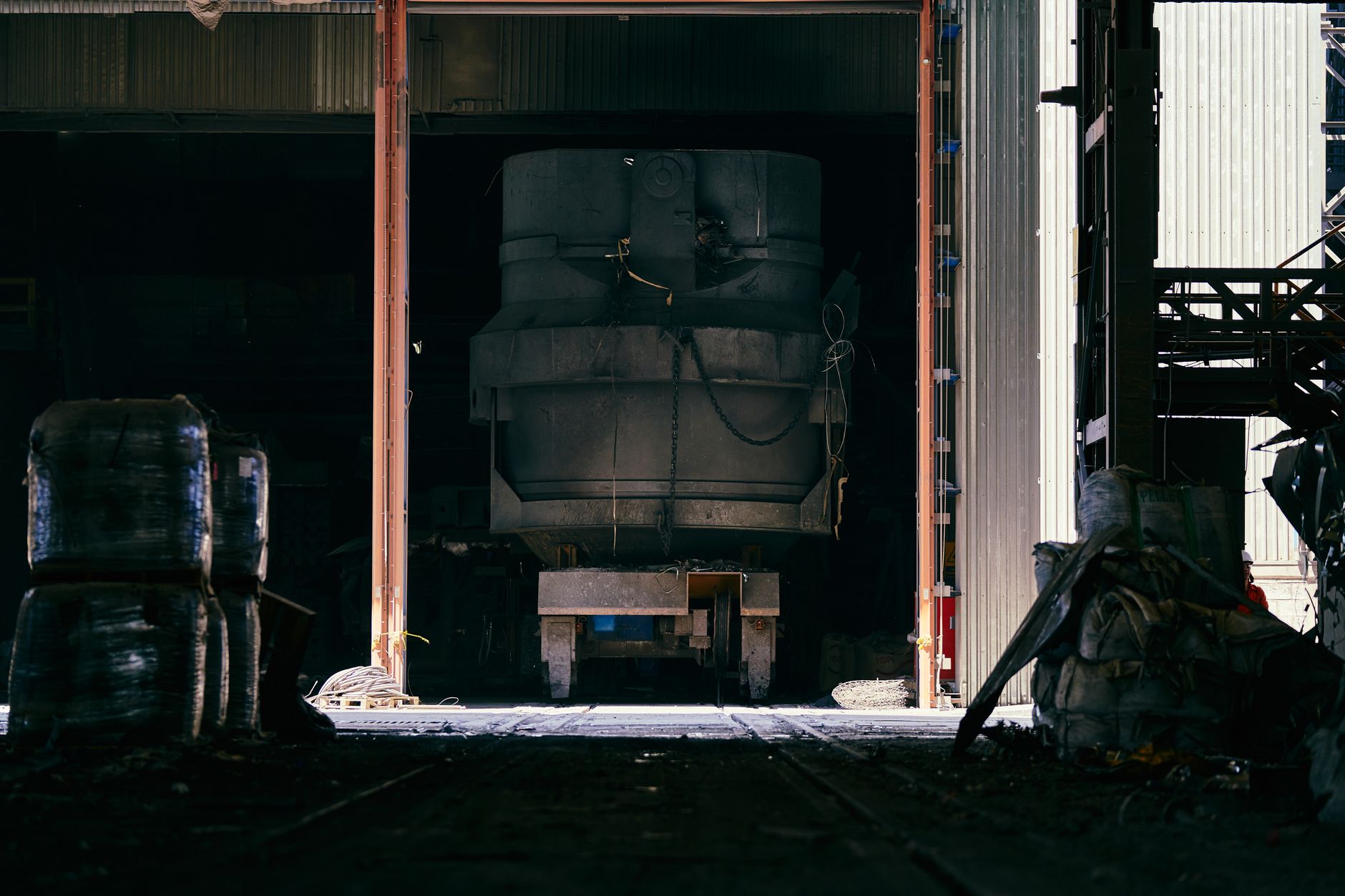
Photo: Michael Orshan / Pexels
Key Highlights
- Strategic forging partnerships are expanding capacity for EV component production
- Open‑die and ring‑rolling lines will increase demand for consistent steel feedstock
- Carbon grades C45 and EN8 remain preferred for high‑strength crankshafts and gears
- Kesari Alloys offers a full suite of ingots, billets and rolled bars to match new capacity
Industry Development Overview
The recent wave of strategic partnerships among Indian forging houses is reshaping capacity planning for automotive OEMs. Joint ventures are targeting larger open‑die and ring‑rolling facilities to meet the surge in lightweight, high‑strength components for electric vehicles. This collaborative model reduces capital risk while enabling faster adoption of advanced heat‑treatment cycles.
Implications for Material Sourcing
Higher‑volume forging lines will drive stronger demand for consistent, high‑quality steel feedstock. Buyers should focus on grades that balance strength and ductility for processes such as upsetting and ring rolling. Carbon‑alloy grades like C45 carbon steel and EN8 carbon steel remain work‑horse choices for crankshafts and gear blanks, while alloy‑steel ingots supply the toughness required for high‑stress chassis parts.
Kesari Alloys Perspective
For a supplier like Kesari Alloys, the partnership trend underscores the need to offer a broad portfolio of forging ingots that can feed both traditional open‑die presses and newer ring‑rolling lines. Its extensive catalogue—covering carbon, alloy and stainless options—lets OEMs source the exact chemistry they require without juggling multiple vendors.
Buyers searching for an "alloy steel forging ingots manufacturer in India" will find that Kesari Alloys’ capability to deliver both ingots and continuous cast billets and blooms supports flexible production schedules and inventory management, a critical advantage in a rapidly consolidating forging ecosystem.
Why This Matters for Steel Buyers
The consolidation of forging capacity translates into larger order volumes and tighter tolerances. Sourcing from a supplier with a comprehensive grade matrix, such as the steel grade family, enables buyers to lock in the precise mechanical properties required for each component, reducing re‑work and lowering inventory carrying costs.
Manufacturers that provide both ingots and continuous‑cast billets also simplify logistics. Aligning raw‑material deliveries with the ramp‑up of new forging lines helps OEMs keep projects on schedule and protect cost targets.
Frequently Asked Questions
What grade of steel is best for high‑strength crankshaft forging?
C45 carbon steel offers a good mix of tensile strength and machinability for crankshafts, and Kesari Alloys supplies this grade as forging ingots.
Can I source both ingots and billets from a single supplier in India?
Yes, Kesari Alloys provides both forging ingots and continuous cast billets, allowing a unified supply chain for varied forging processes.
How do partnership‑driven capacity expansions affect lead times?
Larger, jointly‑owned forging facilities can achieve economies of scale, often shortening lead times, but they also require reliable raw‑material partners to keep production flowing.
What should I verify when qualifying a forging steel supplier?
Check the supplier’s grade portfolio, consistency of chemistry (e.g., through their steel grade family pages), and ability to deliver both ingots and downstream products like billets or rolled bars.
#forging partnerships
#alloy steel manufacturer india
#forging ingots
#automotive forging
#steel grade selection