Market Overview
Recent weeks have shown a split in Indian ferro‑alloy pricing: manganese and ferro‑silicon have risen on tighter supply, while ferro‑manganese and ferro‑chrome have softened as import volumes recover. The swing reflects fluctuating raw‑material costs, a modest rebound in steel production, and shifting export‑import policies. For OEMs and forging houses, this volatility directly affects the cost of heat‑treated alloy ingots used in open‑die and ring‑rolling operations.
Implications for Forging Materials
When manganese prices climb, alloy steels such as 42CrMo4 and SAE4140 become more expensive to produce, prompting buyers to reassess inventory levels and consider alternative grades with lower manganese content. Conversely, a dip in ferro‑chrome eases price pressure on stainless‑steel forgings, benefitting projects that require high‑temperature corrosion resistance.
Kesari Alloys Perspective
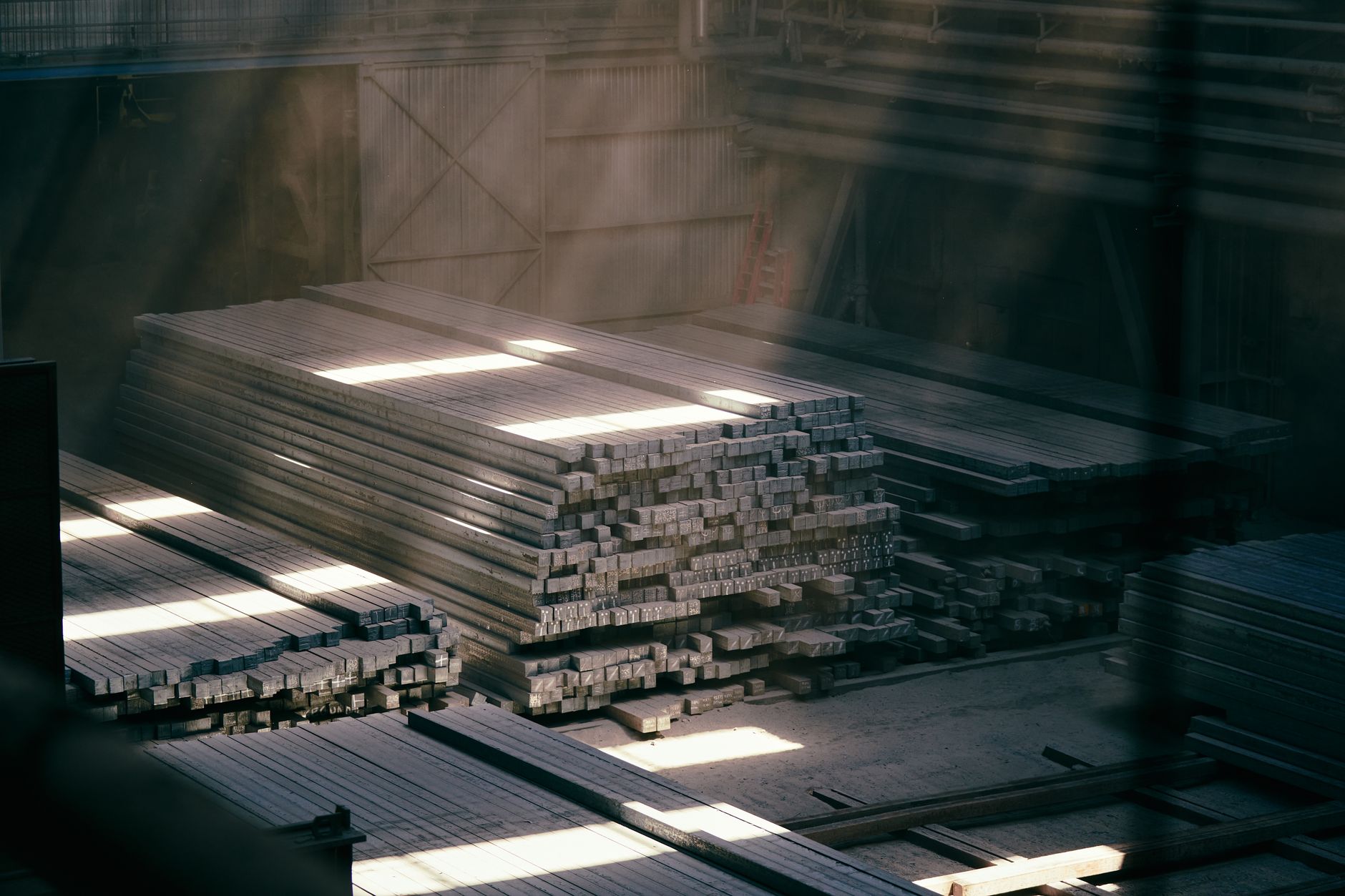
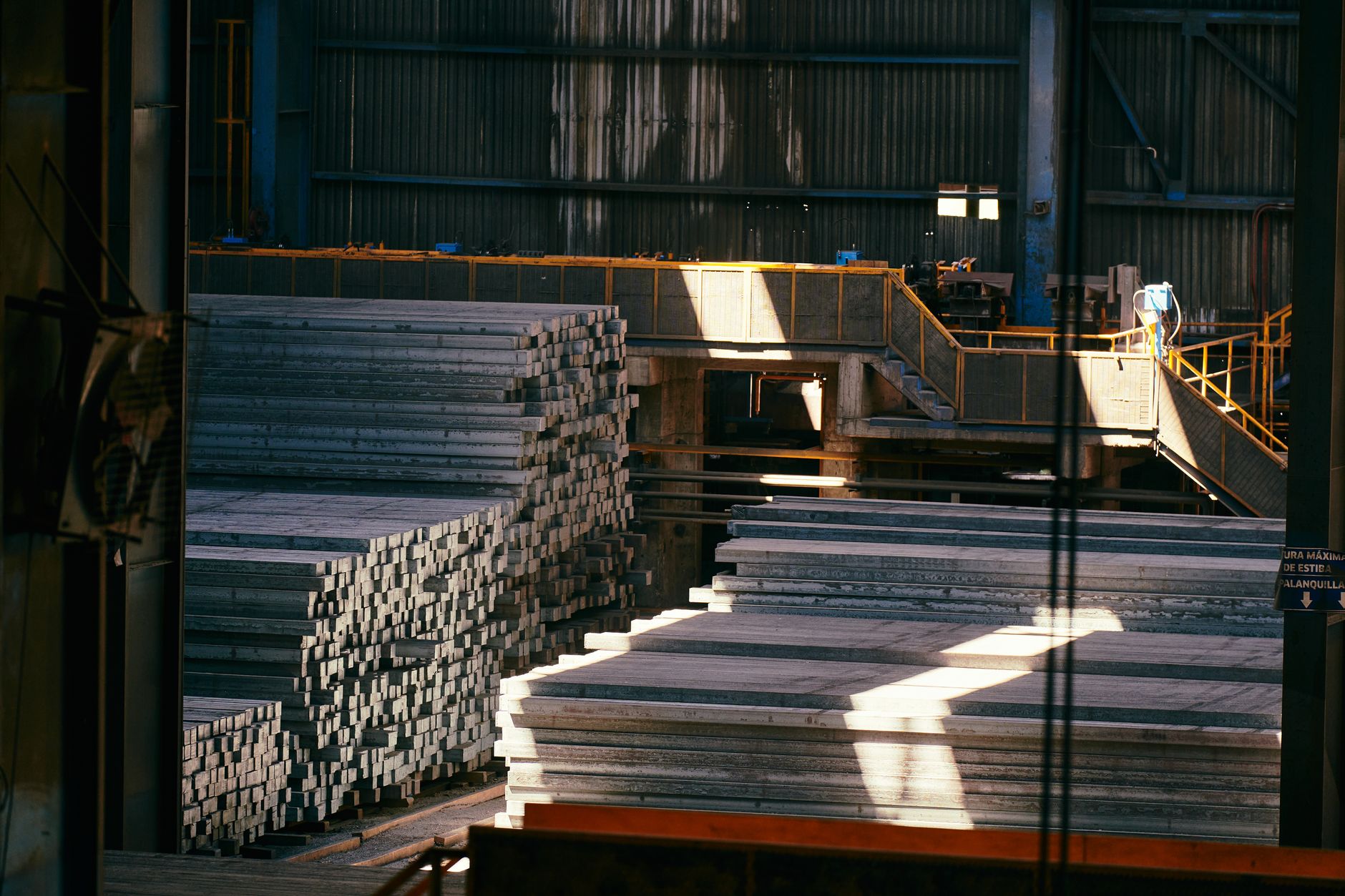
For a supplier like Kesari Alloys, which offers a full suite of forging ingots, continuous‑cast billets and rolled bars, the current price spread underscores the importance of grade‑specific sourcing. Customers seeking high‑strength alloy ingots for automotive crankshafts can rely on the forging ingots range, while those needing ready‑to‑machine sections may opt for rolled bars. The breadth of the steel grade family lets buyers pivot between grades such as 42CrMo4 or SAE4140 without changing suppliers, preserving lead‑time and quality consistency. Selecting a reputable alloy‑steel forging ingots manufacturer in India helps mitigate raw‑material price spikes through stable supply contracts and technical support.
Why This Matters for Steel Buyers
The price swing forces procurement teams to re‑evaluate their grade mix. If a project can tolerate a modest reduction in tensile strength, shifting from SAE4140 to a carbon‑steel alternative can protect the budget. For applications that demand high strength, securing supply from a trusted source such as Kesari Alloys’ SAE4140 alloy steel ensures consistent chemistry and predictable heat‑treatment response.
Because Kesari Alloys also offers continuous‑cast billets and blooms, manufacturers can maintain lean inventories while still meeting custom forging specifications. Qualifying a supplier now provides predictable lead times and shields buyers from last‑minute price spikes when raw‑material markets tighten.
Frequently Asked Questions
How does the current ferro‑alloy price trend affect the cost of forging ingots?
Rising manganese lifts the cost of high‑strength alloy ingots, while softer ferro‑chrome can reduce stainless‑steel ingot prices, so buyers should monitor grade‑specific raw‑material exposure.
Can I source both carbon and alloy grades from a single Indian supplier?
Yes, Kesari Alloys provides a comprehensive steel grade family, covering carbon, alloy, stainless, spring and tool steels, allowing you to consolidate purchases.
What advantage does buying continuous cast billets give a forging shop?
Billets and blooms are ready for open‑die forging or ring‑rolling, reducing machining steps and lead time compared with machining from bars.
Is Kesari Alloys a reliable partner for high‑strength alloy steel like 42CrMo4?
Kesari Alloys supplies 42CrMo4 alloy steel ingots and related products, offering consistent chemistry and technical support for demanding forging applications.