Trade Policy & Tariffs

EU‑India Steel Quota Opens 1.64 Mt Door, but CBAM Keeps Cost Pressure On

EU‑India Steel Quota Opens 1.64 Mt Door, but CBAM Keeps Cost Pressure On

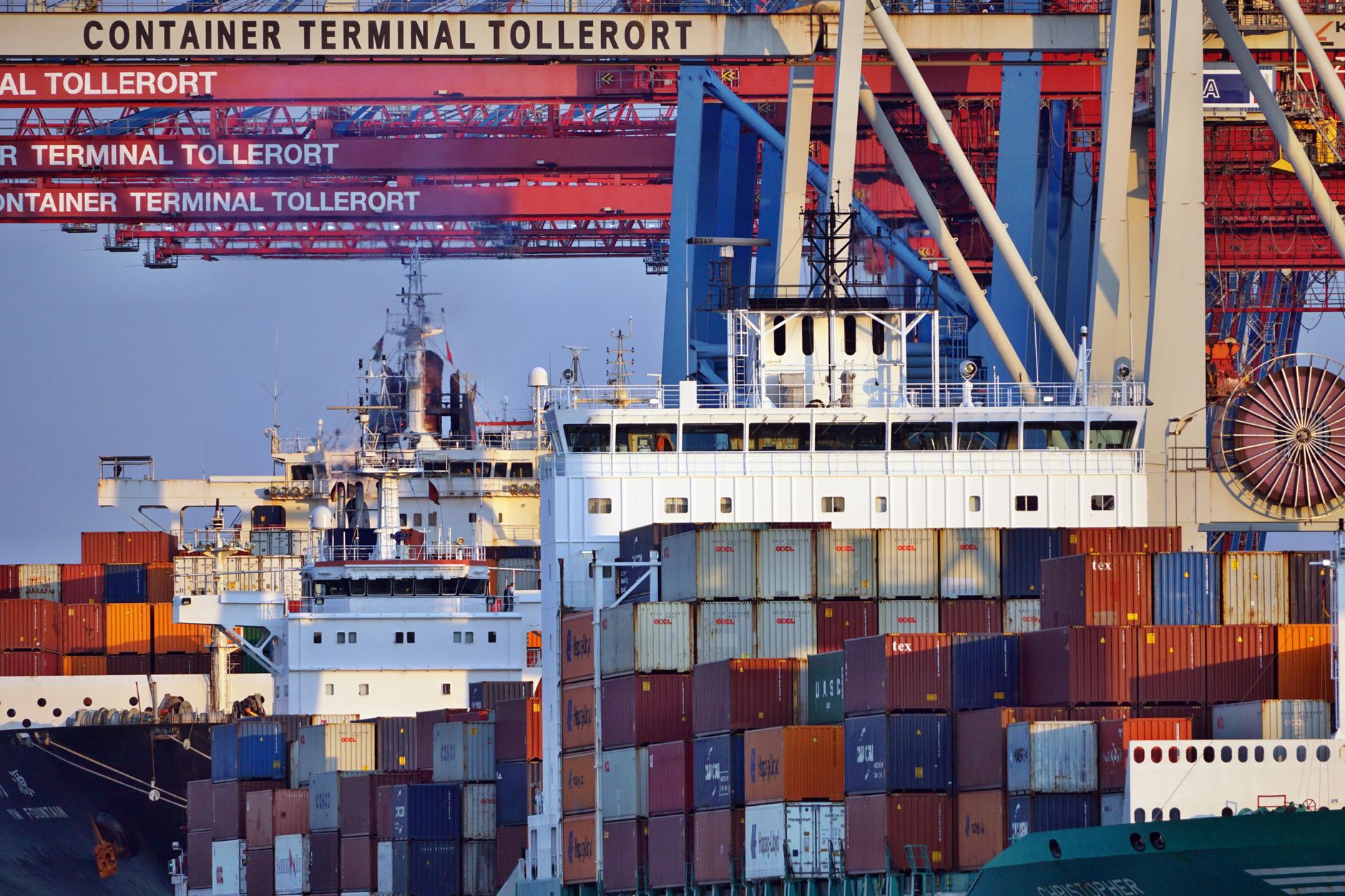
Photo: J / Pexels

Key Highlights

  • EU‑India tariff‑rate quota eliminates duties on 1.64 Mt of Indian steel.
  • CBAM adds a carbon‑price surcharge, favoring low‑carbon EAF producers.
  • Domestic supply may tighten as exporters chase the quota, lifting spot prices.
  • Buyers must verify carbon reporting and consider inventory buffers.
  • Kesari Alloys' forging ingots, billets and rolled bars align with new market dynamics.

EU‑India Quota: Immediate Market Shock

The newly‑ratified EU‑India Free Trade Agreement creates a 1.64 Mt tariff‑rate quota that eliminates duties on Indian steel shipped to Europe. For forging supply chains this translates into a rapid influx of alloy billets, forging ingots and high‑grade rolled bars, tightening domestic availability and nudging spot prices upward.

At the same time, the EU’s Carbon Border Adjustment Mechanism (CBAM) imposes a carbon‑price surcharge on every tonne imported, regardless of tariff status. Because most Indian steel is still produced in coal‑fired basic‑oxygen furnaces, the net cost advantage of the quota is partially offset. Companies that have moved to electric‑arc furnace (EAF) or renewable‑powered melting can demonstrate a lower embedded CO₂ footprint, positioning themselves for higher‑margin EU contracts.

Strategic Implications for Indian Forging Grades

Forging shops and OEMs must now balance two forces: a tighter local supply of key grades such as 42CrMo4 and SAE 4140, and a competitive edge for low‑carbon producers in the EU market. Buyers should scrutinise the carbon intensity of their steel source, verify CBAM reporting capability, and consider inventory buffers to mitigate spot‑price volatility.

For those evaluating domestic alternatives, Kesari Alloys offers a broad portfolio of forging ingots that support open‑die forging, ring rolling and upsetting. The company’s product range spans carbon, alloy and stainless steels, giving buyers flexibility to select grades that meet both mechanical and sustainability criteria.

Kesari Alloys Perspective

For a manufacturer like Kesari Alloys, the quota creates a dual opportunity. On the export side, its forging ingots can be positioned to EU OEMs seeking near‑zero duty rates, provided the carbon footprint is documented for CBAM compliance. Domestically, the potential supply squeeze may drive Indian customers back to local sources, where Kesari’s continuous cast billets and rolled bar offerings can fill the gap without the added carbon surcharge.

Buyers should therefore evaluate the full grade matrix – from carbon steels such as C45 to high‑strength alloys like 42CrMo4 alloy steel – against cost, performance and carbon‑reporting requirements. Partnering with a supplier that can certify both metallurgical quality and emissions data will be decisive in the post‑quota landscape.

Why This Matters for Steel Buyers

The quota‑driven export surge will likely tighten domestic supplies of key forging grades, forcing buyers to either lock in inventory now or shift to locally produced equivalents that meet performance specifications. Simultaneously, CBAM adds a carbon surcharge to all imports, making low‑carbon EAF‑produced steel financially more attractive and preserving margin.

When qualifying a supplier, prioritize documented emissions data, the ability to ship within the tariff‑rate quota, and a grade portfolio that spans both carbon and alloy steels. Kesari Alloys’ extensive list—including C45 carbon steel and 42CrMo4 alloy steel—provides OEMs with the flexibility to meet strength requirements while managing carbon‑related costs.

For specifications and applications, see Kesari Alloys’ C45 carbon steel page.

Frequently Asked Questions

How does the EU‑India quota affect the price of forging ingots in India?
The quota pulls a significant volume of ingots toward export, which can tighten domestic supply and lift spot prices for customers buying locally.
What is CBAM and why should I care as a forging buyer?
CBAM is the EU Carbon Border Adjustment Mechanism that adds a carbon‑price surcharge on imported steel; buyers must factor this cost into total landed price and consider low‑carbon sources.
Can Kesari Alloys help me meet CBAM reporting requirements?
Kesari Alloys provides detailed grade specifications and can supply emissions data for its forging ingots and billets, supporting buyers’ CBAM compliance.
Which Kesari grades are suitable for high‑strength automotive forging?
Grades such as 42CrMo4 alloy steel and SAE 4140 are commonly used for high‑strength automotive components and are available from Kesari Alloys.
#eu india steel quota #cbam impact #forging ingots #alloy steel manufacturer india #steel grade selection
Source reporting: Google News: alloy steel India · original article