Market Reaction to Proposed Safeguard Duties
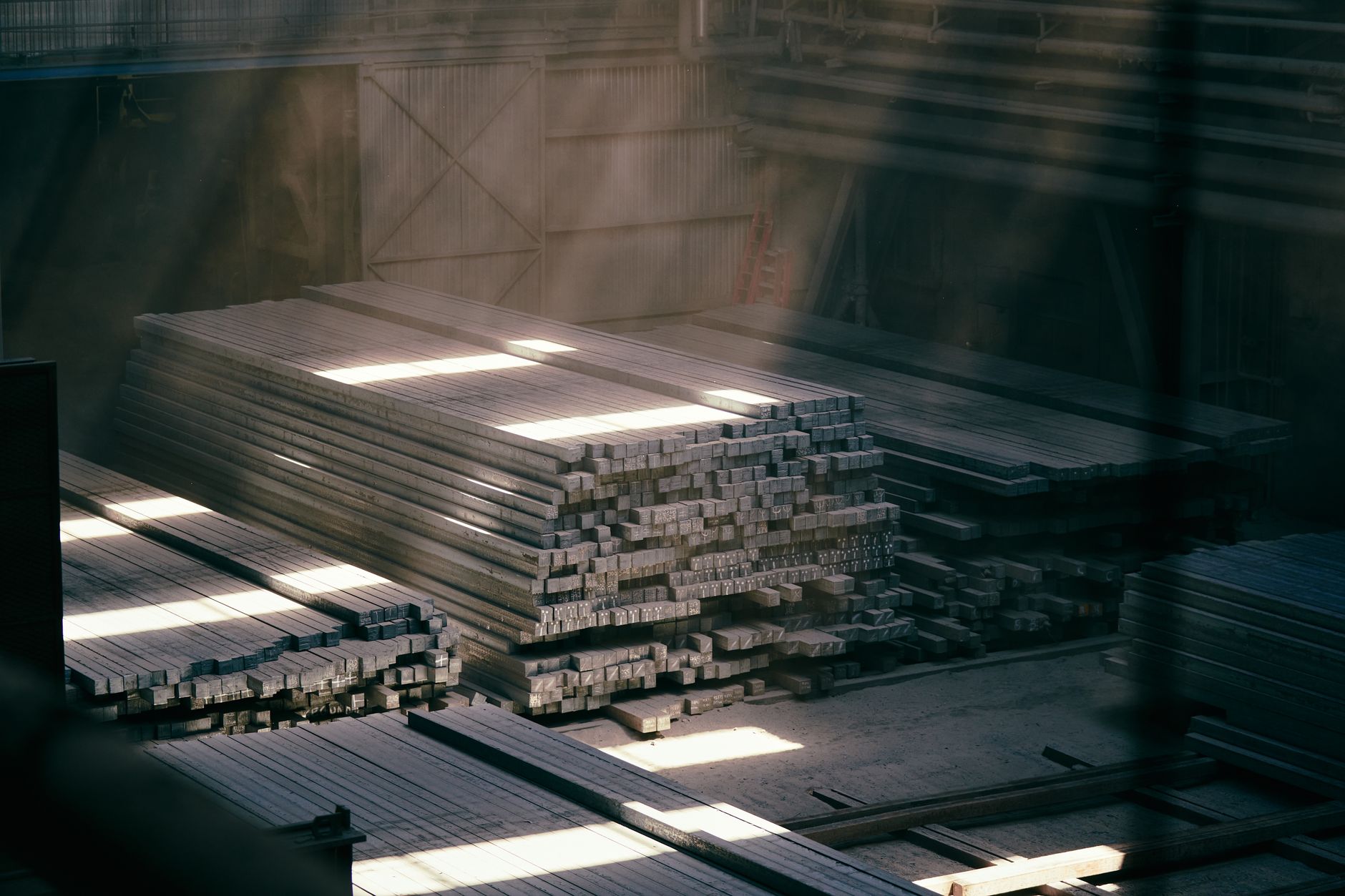
Egypt’s steel ministry is considering safeguard duties on imported continuous‑cast billets to protect domestic producers. The proposal has split the industry: downstream manufacturers fear higher raw‑material costs, while local billet makers see an opportunity to capture market share. The timing coincides with a slowdown in global billet supply caused by logistics bottlenecks, prompting Egyptian forging houses to reassess their cost structures.
For OEMs that rely on high‑integrity forging, the price signal could accelerate a shift toward locally sourced billets or even alternative feedstock such as forged ingots. Companies that can secure billets with consistent chemistry and mechanical properties will retain a competitive edge in the automotive and power‑generation segments.
Implications for Forging‑Grade Steel Supply Chains
When billet costs rise, many forging shops re‑evaluate the economics of using open‑die forging ingots instead of ring‑rolled billets. Ingots provide design flexibility and can be processed in smaller batches, which may offset higher billet prices for low‑volume, high‑spec applications. Moreover, the duty could spur demand for continuous‑cast billets that meet strict alloy specifications, encouraging importers to look beyond price alone.
Kesari Alloys Perspective
For a supplier like Kesari Alloys, the Egyptian safeguard debate underscores the importance of offering both high‑quality forging ingots and continuous‑cast billets. Buyers seeking a reliable "alloy steel forging ingots manufacturer in India" can source grades suited to open‑die forging, ring rolling or upsetting directly from Kesari’s portfolio. Simultaneously, the continuous cast billets and forging ingots families provide the flexibility to match cost‑sensitive projects with performance‑critical requirements, allowing Egyptian OEMs to mitigate duty impact while maintaining material integrity.
Strategic buyers should evaluate total cost of ownership—material price, processing efficiency, and inventory lead time—when choosing between imported billets and domestically produced ingots. Kesari Alloys’ extensive grade coverage, including carbon and alloy steels, enables a seamless transition between feedstock types without compromising certification or traceability.