Raw Materials

Dalian Iron Ore Slump Pressures Steel Margins and Forging Material Sourcing

Dalian Iron Ore Slump Pressures Steel Margins and Forging Material Sourcing

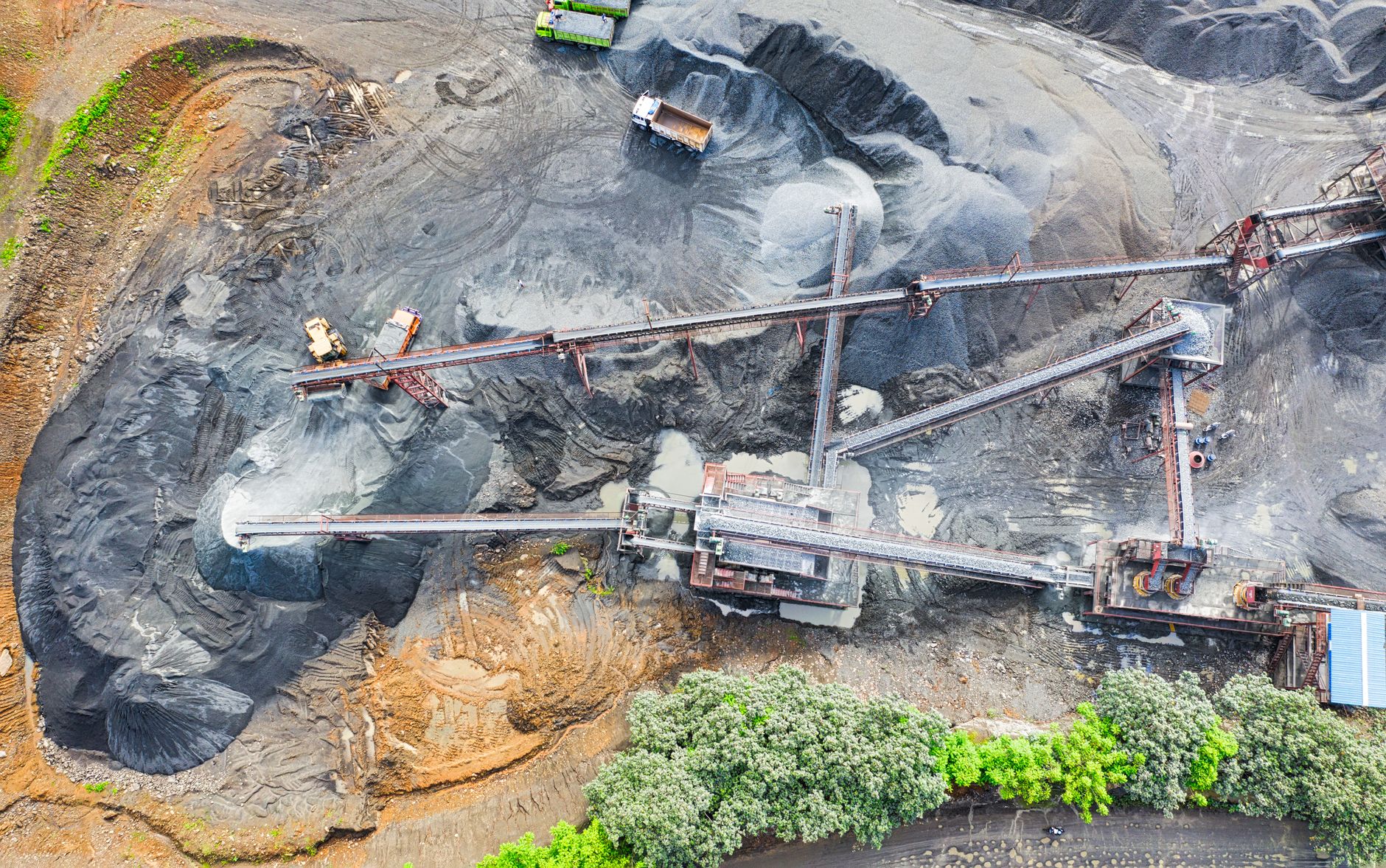
Photo: Tom Fisk / Pexels

Key Highlights

  • Dalian iron ore price hits 18‑month low, tightening raw‑material costs for Indian steel mills.
  • Thin steel margins are curbing demand in automotive and heavy‑engineering sectors.
  • Forging grade consistency becomes critical as steel producers may alter alloy blends.
  • Kesari Alloys offers a wide grade portfolio of forging ingots and billets to lock in chemistry.
  • Buyers should prioritize suppliers with traceable grades to manage inventory and cost risk.

Market Overview

The recent dip in Dalian iron‑ore prices to an 18‑month low has squeezed raw‑material costs for Indian steel mills. While cheaper ore can improve the economics of scrap‑to‑steel conversion, the advantage is being eroded by thin operating margins in the domestic automotive and heavy‑engineering segments. Lower demand for finished steel slows the turnover of forging blanks and rolled components, prompting OEMs to reassess inventory levels and grade specifications.

Implications for Forging‑Grade Steel

When ore prices fall, steel producers often adjust alloying blends to protect profitability. For forging applications that rely on consistent chemistry—such as open‑die or ring‑rolling operations—any shift in carbon or alloy content can alter heat‑treatment windows and the final mechanical properties. Buyers therefore need to verify that their forging‑ingot suppliers maintain strict grade control, especially for critical grades like 42CrMo4 or EN8, which are widely used in crankshafts and gear shafts.

Supplier Considerations

In a cost‑pressured market, sourcing from a manufacturer with a broad grade portfolio and transparent material traceability becomes a competitive advantage. Companies that can supply both carbon and alloy forging ingots, as well as continuous‑cast billets, give buyers the flexibility to switch between open‑die and ring‑rolling processes without changing suppliers.

Kesari Alloys Perspective

For a forging‑grade steel maker such as Kesari Alloys, the Dalian ore decline underscores the importance of offering stable, specification‑driven products. Its forging ingots are produced to more than 100 grade specifications, ensuring that customers can match the exact chemistry required for high‑strength applications even when upstream costs fluctuate. Likewise, the continuous cast billets and blooms provide a seamless feedstock for ring‑rolling and upsetting, reducing the need for multiple vendors. Buyers looking for an "alloy steel forging ingots manufacturer in India" will find that Kesari’s integrated product range helps mitigate raw‑material volatility while maintaining the mechanical performance demanded by automotive and power‑generation OEMs.
Why This Matters for Steel Buyers

The ore‑price dip can lower the base cost of steel, but thin margins often push producers to tweak alloying formulas. For OEMs that depend on precise, heat‑treatable grades, even a small deviation can trigger re‑work, scrap, or delayed delivery. Selecting a supplier with a proven record of grade fidelity—such as Kesari Alloys’ steel grade family—helps preserve product quality while allowing buyers to capture the cost benefit of cheaper raw material.

Because Kesari offers both ingots and billets from the same facility, logistics are simplified and lead times are shortened—critical advantages when demand forecasts are uncertain. Buyers should therefore evaluate a supplier’s breadth of grades, traceability of each melt, and the availability of key grades like EN8 or C45 before finalising contracts.

Frequently Asked Questions

How does a drop in iron‑ore price affect the cost of forging ingots?
Lower ore prices can reduce the steelmaking cost base, but if mills cut margins they may adjust alloy content, so the net effect on ingot price depends on the supplier’s grade‑control policies.
Which grades are most sensitive to changes in alloying when margins are thin?
Alloy steels used in high‑strength forgings, such as 42CrMo4, EN8 and other medium‑carbon grades, are most sensitive because small chemistry shifts impact heat‑treatment and final strength.
What should a buyer look for in a forging‑grade steel supplier during raw‑material volatility?
Buyers should prioritize a supplier that offers a wide, documented grade portfolio, consistent chemistry, and the ability to provide both ingots and billets—qualities that Kesari Alloys demonstrates.
Can Kesari Alloys provide the same grade across ingots and billets for a single project?
Yes, Kesari Alloys manufactures matching grades in both forging ingots and continuous cast billets, allowing seamless transition between open‑die forging and ring‑rolling processes.
#iron ore price #steel margins #forging ingots #alloy steel manufacturer india #raw material volatility
Source reporting: Google News: iron ore price India steel · original article