Company Updates

CBAM Hits Indonesian 304 Stainless Steel – Implications for Forging‑Grade Steel Buyers

CBAM Hits Indonesian 304 Stainless Steel – Implications for Forging‑Grade Steel Buyers

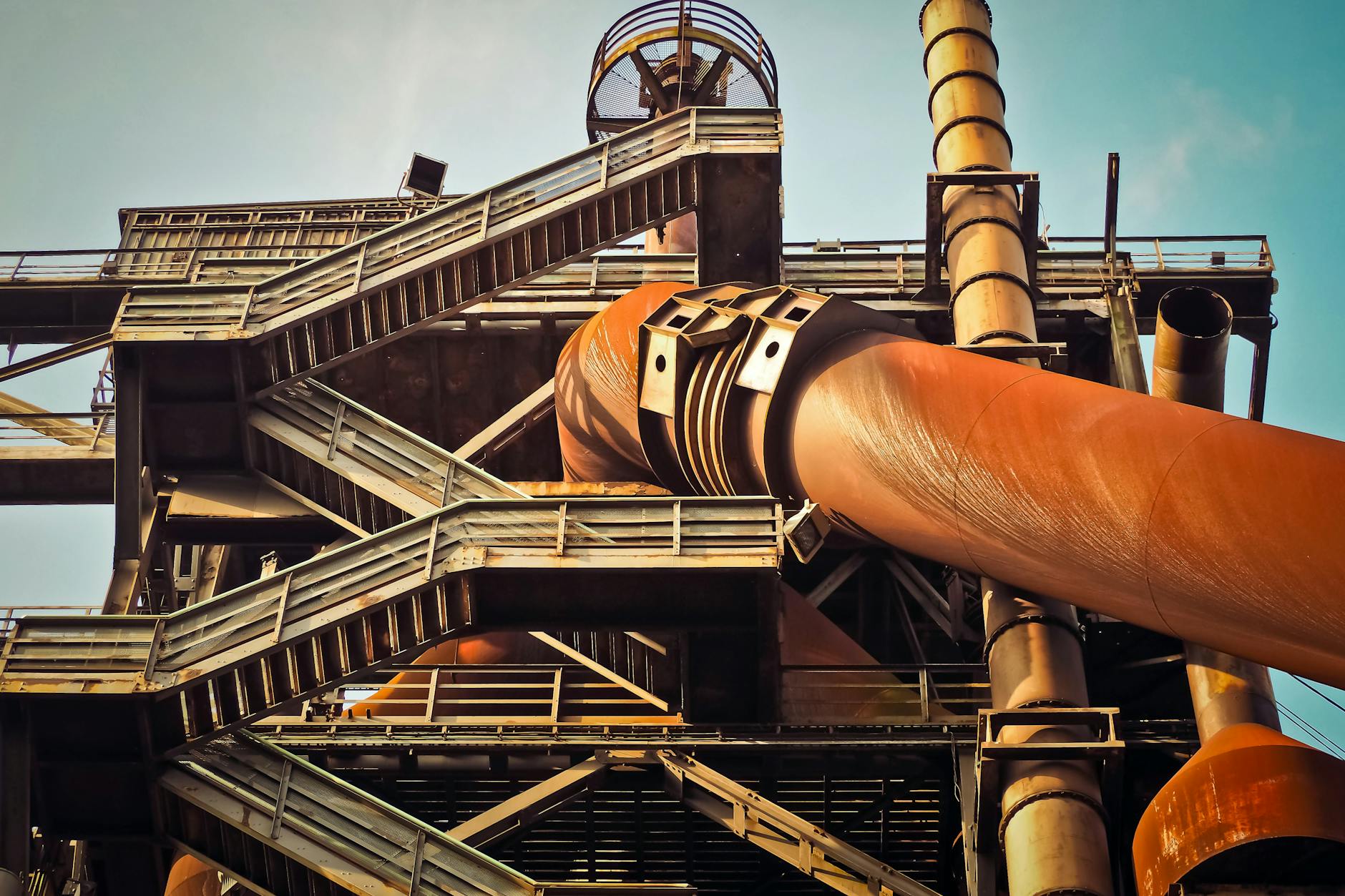
Photo: Jakub Zerdzicki / Pexels

Key Highlights

  • EU CBAM adds €626/mt to imported 304 stainless steel
  • Carbon intensity now a key cost factor for stainless and alloy steel sourcing
  • Indian forging ingot producers can offer lower‑CBAM alternatives
  • Diversify grades and suppliers to manage regulatory risk

Market Shift: EU Carbon Border Adjustment on Stainless Steel

The European Union’s Carbon Border Adjustment Mechanism (CBAM) now imposes a carbon‑price charge on imported stainless steel. Indonesian 304 CRC, a widely used austenitic grade, faces a €626‑per‑tonne levy, raising the landed cost for downstream OEMs and distributors. Because the fee reflects the carbon intensity of the production route, buyers are forced to reassess supply chains and consider lower‑emission sources.

For forging‑focused manufacturers, the CBAM calculation adds a new variable to material selection. While 304 stainless remains popular for corrosion‑resistant components, many high‑strength applications in automotive, power and heavy engineering still rely on alloy and carbon‑steel forgings. Suppliers with a diversified portfolio can propose alternatives that meet mechanical requirements without incurring the CBAM surcharge.

Strategic Sourcing Amid Carbon Pricing

Buyers should evaluate three levers: (1) shift to grades with lower embodied carbon, such as alloy steels produced in regions powered by greener electricity; (2) negotiate contracts that embed carbon‑price hedging; and (3) qualify multiple suppliers to mitigate geopolitical and regulatory risk. Indian manufacturers that produce forging ingots domestically can provide a cost‑effective, lower‑CBAM option for customers targeting the EU market.

Kesari Alloys Perspective

Kesari Alloys, an established Indian manufacturer of carbon, alloy and stainless steel forging ingots, can help buyers navigate the CBAM landscape. Its domestic production reduces transport‑related emissions, and its extensive grade portfolio—including high‑strength alloy steels suitable for open‑die forging and ring rolling—offers viable substitutes for EU‑bound projects. Companies looking for an "alloy steel forging ingots manufacturer in India" should assess Kesari’s capability to deliver grades that balance performance with a lower carbon footprint.

In addition to ingots, Kesari’s continuous cast billets and blooms provide a seamless feedstock for downstream rolling or forging, further simplifying supply‑chain management for firms that need consistent quality and traceability.
Why This Matters for Steel Buyers

The CBAM levy adds €626 per tonne to the landed cost of 304 CRC, immediately squeezing margins for EU‑bound projects. Procurement teams can mitigate this impact by selecting grades with lower embodied carbon or by sourcing from regions—such as India—where electricity mixes are greener. Choosing a supplier like Kesari Alloys, which offers a full steel grade family produced domestically, can lower the overall carbon charge and streamline compliance reporting.

Timing is crucial: contracts finalized before the next CBAM reporting period lock in the current levy, while inventory strategies must account for the likelihood of higher carbon‑price adjustments on other stainless and alloy grades.

Related from Kesari Alloys: forging ingots.

Frequently Asked Questions

How does CBAM affect the price of stainless steel forgings for EU projects?
CBAM adds a carbon‑price charge to imported stainless steel, raising the effective cost per tonne and making lower‑carbon alternatives more attractive.
Can Indian forging ingots help reduce CBAM exposure?
Yes, because they are produced closer to the end‑user and often with lower transport emissions, Indian ingots can lower the overall carbon charge applied under CBAM.
Which Kesari Alloys product lines are suitable for open‑die forging?
Kesari Alloys’ forging ingots cover carbon, alloy and stainless steels designed for open‑die forging, ring rolling and upsetting, providing a broad selection for high‑strength applications.
What should a buyer verify when qualifying a new steel supplier under CBAM?
Buyers should confirm the supplier’s carbon accounting methodology, production energy mix, and ability to supply grades with documented lower embodied carbon, such as those offered by Kesari Alloys.
#cbam steel #stainless steel pricing #alloy steel manufacturer india #forging ingots #steel sourcing
Source reporting: Google News: steel import duty India · original article