Steel Prices

Brazilian Pig Iron Dip Signals Short‑Term Relief, Yet Global Supply Gaps Keep Forging Prices Volatile

Brazilian Pig Iron Dip Signals Short‑Term Relief, Yet Global Supply Gaps Keep Forging Prices Volatile

Photo: Ryan Lansdown / Pexels

Key Highlights

  • Brazilian pig iron prices fell due to domestic demand weakness.
  • Global supply constraints in Europe and China keep overall steel costs elevated.
  • Lower pig iron can reduce melt cost for forging grades, but alloy premiums remain high.
  • Kesari Alloys' forging ingots and billets offer stable chemistry amid raw‑material volatility.

Market Overview

The recent slide in Brazilian pig‑iron spot rates reflects a temporary oversupply caused by softer domestic demand and a modest easing of logistics bottlenecks. While the correction offers a short‑term cost advantage for downstream steel mills, the broader picture remains unsettled. Geopolitical tensions in Europe, lingering pandemic‑related capacity constraints in China, and tightening scrap supplies are all converging to keep primary steel prices on a narrow band.

Implications for Forging‑Grade Steel Supply

Forging houses and OEMs that rely on high‑grade carbon and alloy steels must monitor pig‑iron movements closely because the material feeds the furnace charge for many open‑die and ring‑rolling operations. A lower pig‑iron cost can reduce overall melt expenses for grades such as 42CrMo4 or EN8, but the benefit is often offset by higher premiums on alloying elements and the need to maintain tight chemistry for critical applications. Buyers should therefore evaluate not only the headline pig‑iron number but also the price trajectory of nickel, chromium, molybdenum and other key alloys.

Kesari Alloys Perspective

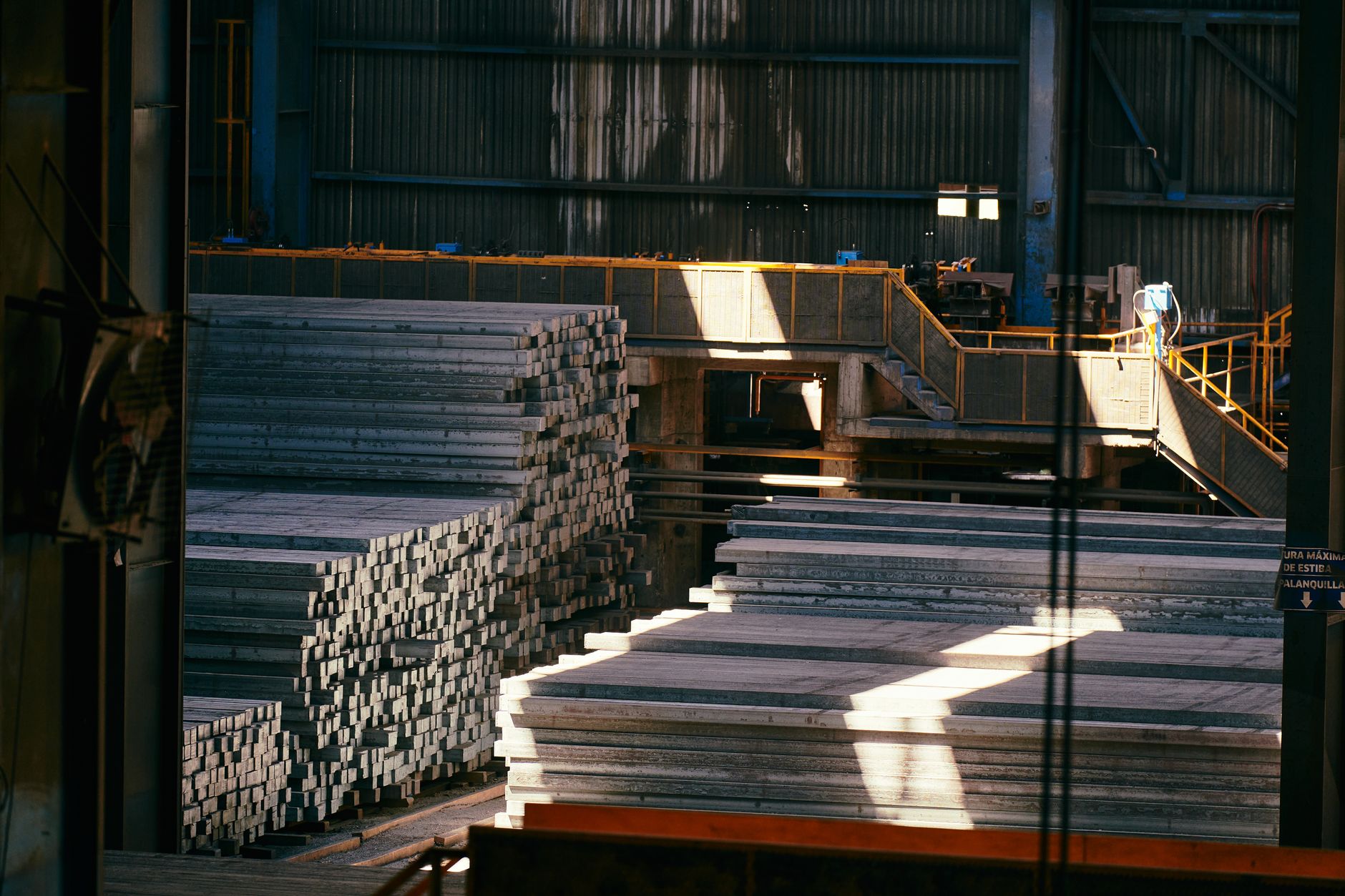
For a supplier like Kesari Alloys, the pig‑iron dip underscores the importance of offering a diversified product mix that can absorb raw‑material volatility. Our carbon and alloy forging ingots forging ingots are produced from a controlled melt pool, allowing us to lock in consistent chemistry even when feedstock prices fluctuate. Likewise, our continuous cast billets and blooms continuous cast billets and blooms give downstream rollers a stable feedstock that mitigates the impact of short‑term raw‑material swings.

Buyers seeking a reliable "alloy steel forging ingots manufacturer in India" should prioritize suppliers with proven grade control, extensive heat‑treatment capabilities, and a broad catalog that includes both standard grades like EN8 and specialty alloys. By partnering with a manufacturer that can guarantee chemistry and mechanical properties, OEMs can protect their cost structures against the ebb and flow of the global pig‑iron market.
Why This Matters for Steel Buyers

When pig‑iron prices dip, the immediate temptation is to lock in cheaper melt charges for forging ingots. However, buyers must also consider the price of alloying elements that define grades such as EN8 or C45. Selecting a supplier with a wide grade portfolio – like the steel grade family offered by Kesari Alloys – helps ensure you can switch to a comparable grade if a particular alloy element spikes.

In practice, a forging shop may choose continuous cast billets and blooms for ring‑rolling because they provide a uniform grain structure that reduces downstream scrap. Knowing that a supplier can consistently deliver such billets gives you confidence to plan inventory ahead of price swings.

Frequently Asked Questions

How does a drop in pig iron prices affect the cost of forging ingots?
A lower pig iron cost can reduce the base melt expense, but the final price of forging ingots still depends on alloying element rates and the manufacturer’s chemistry control.
Should I switch to a different grade if alloy element prices rise?
Yes, evaluating alternative grades within the same steel grade family can preserve performance while managing cost, and Kesari Alloys lists all its available grades for quick comparison.
What should I look for when qualifying a forging ingot supplier?
Focus on consistent chemical composition, heat‑treatment capability, and a proven track record of supplying both standard and specialty grades; Kesari Alloys meets these criteria as an established Indian manufacturer.
Can continuous cast billets help mitigate raw‑material price volatility?
Billets provide a stable, uniformly cast feedstock that reduces the need for frequent melt adjustments, making them a strategic choice during periods of pig iron price fluctuation.
#pig iron prices #forging ingots #alloy steel manufacturer india #continuous cast billets #steel market update
Source reporting: Google News: steel export India global markets · original article