Industry Shift Toward Low‑Carbon Iron
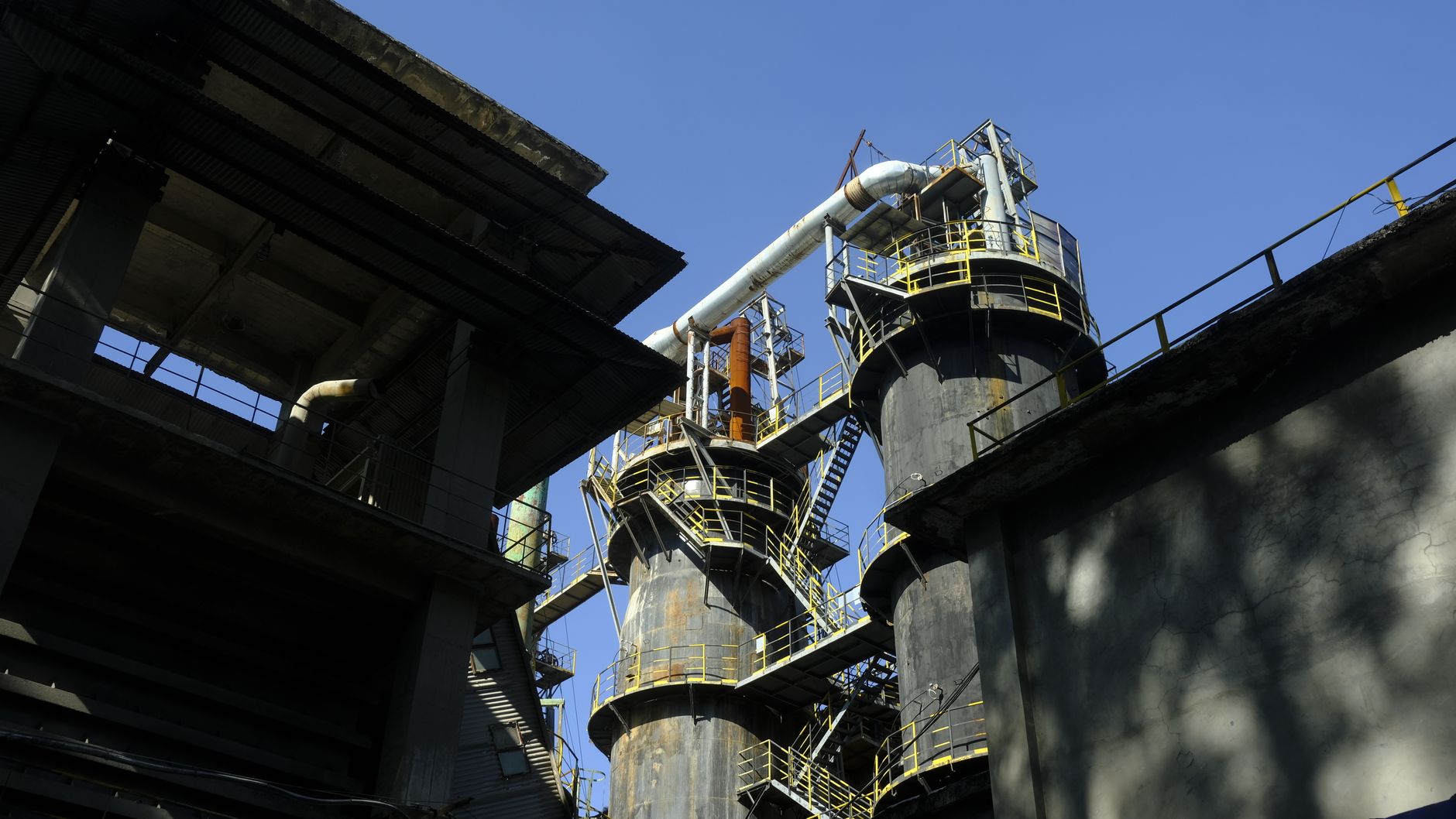
Australia’s recent policy push to replace imported “green iron” with domestically produced low‑carbon steel is reshaping the global supply chain. With China’s massive steel output receding, Australian steelmakers are accelerating projects that blend iron ore reduction with carbon capture, tightening the market for premium alloy and carbon steel that can meet stringent emissions standards while retaining mechanical performance.
For forging OEMs and component distributors, the impact is two‑fold: first, price pressure on traditional carbon grades such as EN8 and C45 is likely to rise as supply tightens; second, demand for alloy ingots that can be forged into lightweight, high‑strength parts—critical for renewable‑energy equipment, offshore wind towers, and electric‑vehicle drivetrain components—will increase. Selecting the right grade early in the design phase can lock in performance and avoid costly re‑qualification later.
Supply‑Chain Implications for Forging Materials
Manufacturers that rely on open‑die forging, ring‑rolling or upsetting must evaluate both the metallurgical suitability and the logistical footprint of their material sources. The shift toward greener steel in Australia is prompting buyers to consider suppliers with a proven portfolio of alloy and carbon grades, as well as the ability to deliver continuous cast billets or rolled bars that match downstream processing requirements.
For example, projects that need high‑strength shafts for wind‑turbine gearboxes often specify alloy steel ingots that can be rolled into precise bar dimensions after forging. Likewise, automotive and power‑generation firms looking to reduce component weight are turning to alloy grades that offer superior toughness without sacrificing weldability.
Kesari Alloys Perspective
For a forging‑grade steel manufacturer like Kesari Alloys, the Australian green‑iron drive underscores the importance of a diversified product line. Its portfolio of forging ingots—covering carbon, alloy and stainless steels—provides the flexibility to meet the evolving mechanical and environmental specifications of Australian projects. Additionally, the availability of continuous cast billets and blooms enables downstream partners to perform ring rolling or upsetting with minimal material handling, while the rolled bars option supports finished‑product machining for shafts and other precision components.
Buyers should assess whether a supplier can consistently supply the specific grade, heat‑treatment capability and form factor required for their design. Kesari Alloys’ long‑standing presence in the Indian forging market, combined with its broad grade coverage, makes it a viable partner for firms navigating the new green‑iron landscape.



