Market Dynamics and Supply‑Chain Implications
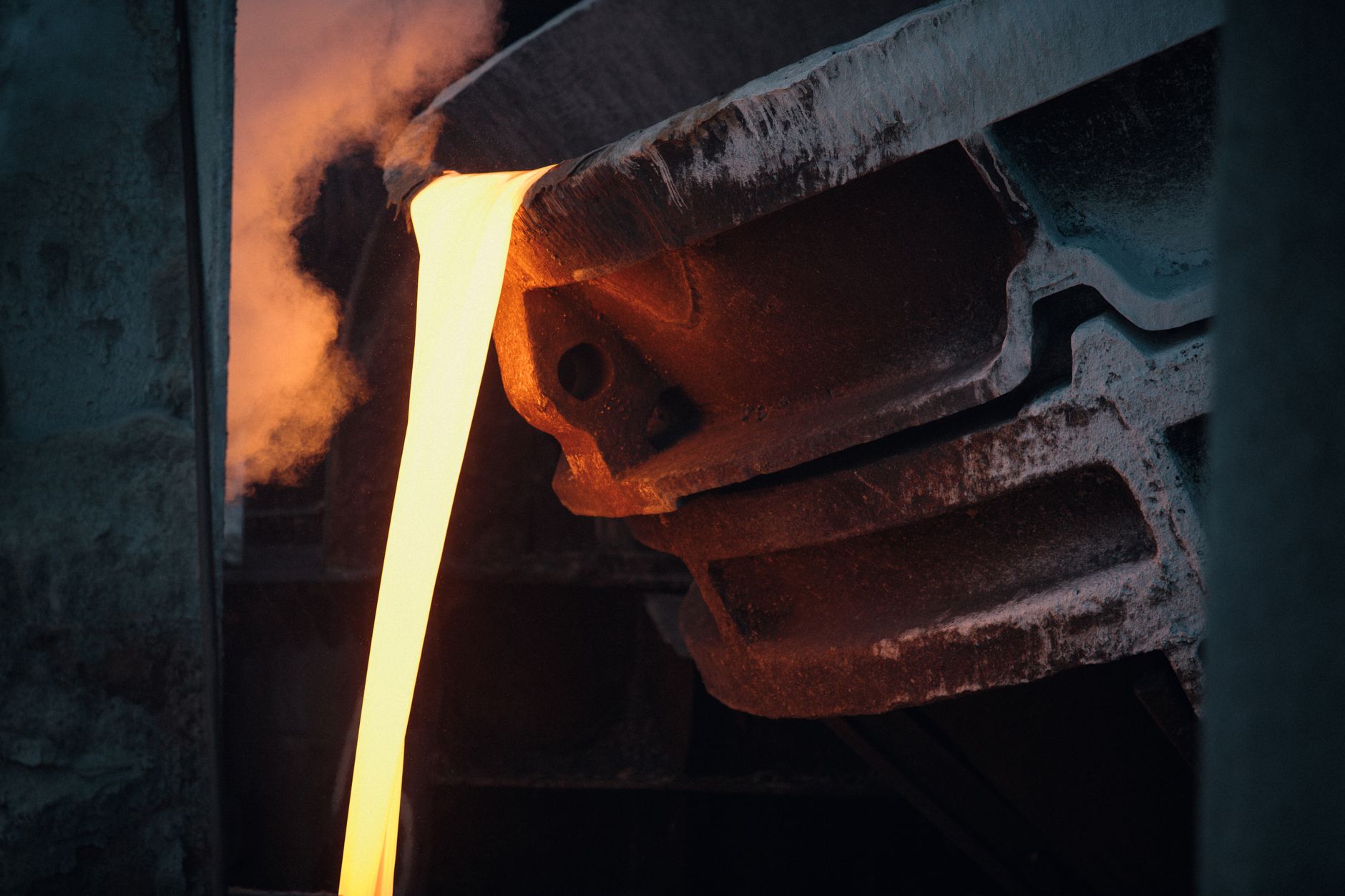
Recent Alang data show a day‑on‑day rise in scrap‑melting prices, echoing a broader tightening of the billet market across India. Higher scrap costs flow directly into higher billet costs, which then lift the price of forging ingots that are typically cast from those billets. Buyers of open‑die forging materials are therefore watching the scrap‑to‑billet pipeline closely, because any escalation can ripple through to final‑product costs.
For users of forging‑grade steel—especially in automotive, power and heavy‑engineering sectors—the increase in scrap prices highlights the need for a reliable supplier that can absorb raw‑material volatility. A manufacturer with a diversified grade portfolio, offering both carbon and alloy options, gives buyers flexibility to balance cost and performance. When sourcing critical grades such as C45 or EN8, buyers should confirm that the supplier’s billets are produced from stable, low‑impurity scrap streams to avoid unexpected variations in material properties.
Kesari Alloys Perspective
Kesari Alloys, with its long‑standing presence in forging and rolled products, can help clients navigate this volatile environment. By offering a broad range of grades—including high‑strength carbon steels like C45 carbon steel and EN8—Kesari ensures that customers have access to materials that meet both performance and cost targets. The company’s forging ingots, produced from continuous‑cast billets, are engineered to retain dimensional stability even when raw‑material prices shift, giving buyers confidence in supply‑chain resilience.
In practical terms, when evaluating a supplier during periods of scrap‑price fluctuation, buyers should assess the manufacturer’s ability to source consistent scrap, maintain stringent chemical controls, and provide transparent pricing structures. Kesari Alloys’ focus on quality and grade diversity positions it as a dependable partner for those looking to mitigate the impact of raw‑material market swings.