Market Reaction to the Price Revision
When a major Indian stainless producer announced a downward revision of coil prices for November 2026, the effect rippled through downstream sectors that depend on stainless feedstock for forging and ring‑rolling. Lower coil rates cut the cost base for secondary processors, but the benefit is uneven. Companies that buy stainless steel as ingots for open‑die forging can capture the price advantage more directly than those that rely on rolled sheet.
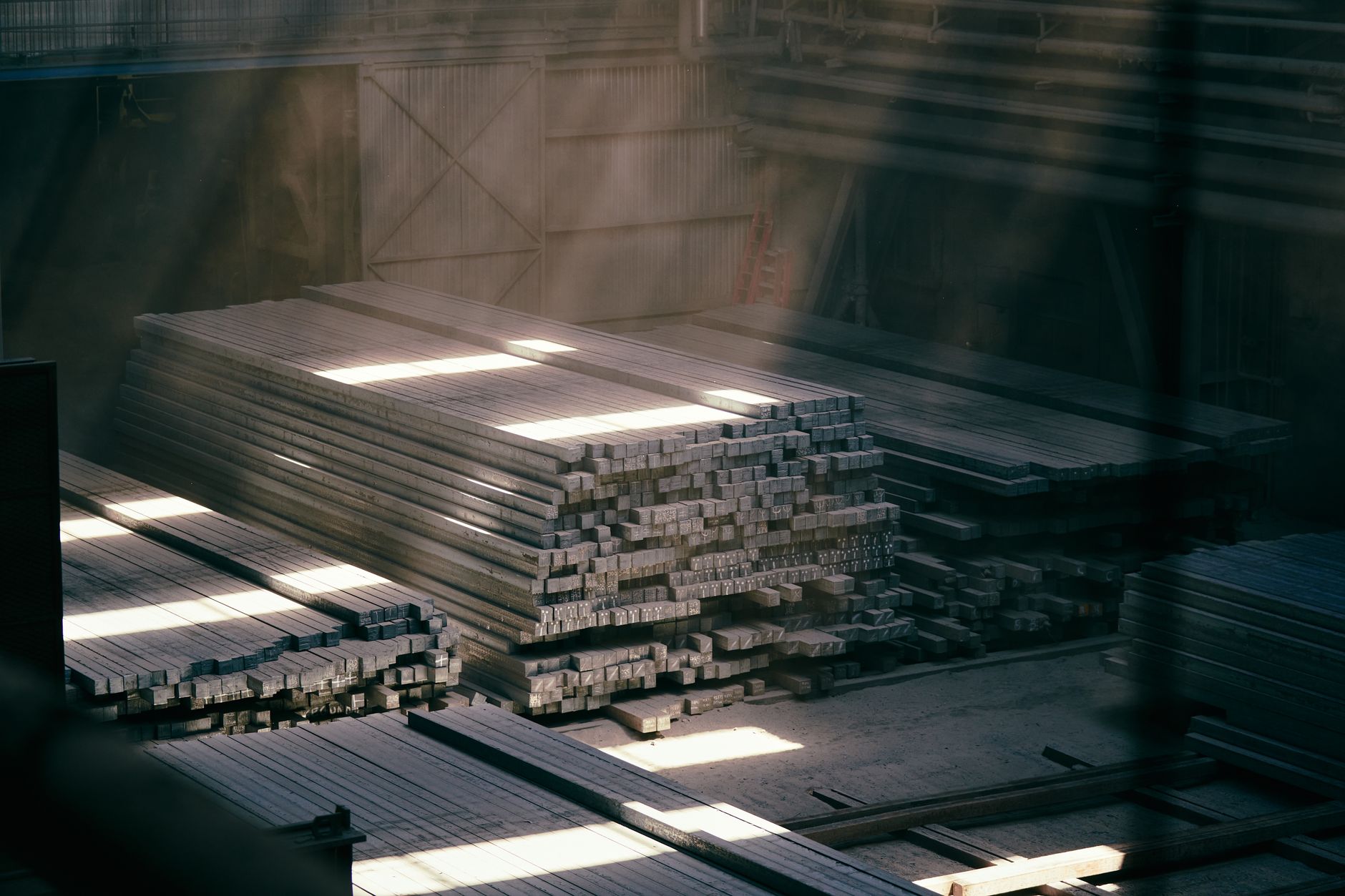
For OEMs and distributors, the key decision is whether to shift part of their inventory strategy toward stainless forging ingots— which can be melted and forged in‑house— or to continue purchasing rolled products that now carry a tighter margin. The price dip also heightens competition among alloy‑steel‑ingot suppliers, prompting buyers to scrutinise specifications, heat‑treatment capabilities, and grade breadth.
Implications for Grade Selection and Supply Chains
Stainless grades such as 304L and 316L are common in automotive exhaust manifolds and oil‑&‑gas pressure vessels. With coil prices falling, the cost gap between stainless and high‑strength carbon alloys narrows, making stainless forging ingots a viable alternative for applications that previously favoured carbon grades for cost reasons. Buyers should assess the mechanical properties required for the final part and align them with the ingot grades available.
Kesari Alloys Perspective
Kesari Alloys, an established Indian manufacturer of carbon, alloy and stainless steel forging ingots, sees this price movement as an opportunity to offer competitive stainless ingot solutions for customers looking to optimise material spend. By sourcing stainless forging ingots from a supplier with a broad grade portfolio, buyers can lock in performance while benefiting from the current coil price environment.
Additionally, Kesari Alloys' forging ingots are suitable for open‑die forging, ring rolling and upsetting, allowing OEMs to transition from rolled coil to forged components without sacrificing quality. Companies that need downstream rolled products can also turn to Kesari's rolled bars for shafting and industrial applications, ensuring a consistent supply chain across the forging‑to‑finished‑part spectrum.