Steel Prices

Rising Iron‑Ore Prices Prompt Forging Firms to Re‑Evaluate Steel Grade Strategies

Rising Iron‑Ore Prices Prompt Forging Firms to Re‑Evaluate Steel Grade Strategies

Photo: Ryan Lansdown / Pexels

Key Highlights

  • Iron‑ore prices rebound, tightening raw‑material costs for steel producers.
  • Higher ore costs pressure forging firms to optimise grade mix and inventory.
  • Carbon grades like EN8 and C45 become attractive for lower‑stress parts.
  • Supplier flexibility in ingot, billet and bar formats can reduce processing costs.
  • Kesari Alloys offers a broad grade range to help buyers manage cost volatility.

Market Shift: Iron‑Ore Cost Surge

After a period of steep declines, iron‑ore prices have rebounded sharply, buoyed by steady demand from Chinese steel mills. The correction is narrowing the cost gap between domestic and imported raw material, putting pressure on forging and heavy‑engineering producers that operate on thin margins.

For manufacturers that buy steel in bulk, the higher ore price translates directly into larger billet and ingot costs. Companies that can secure a diversified portfolio of grades—especially those that balance carbon content with alloying elements—will be better positioned to absorb the feed‑stock swing without compromising product performance.

Implications for Forging Grade Selection

Open‑die forging of crankshafts, gear blanks and pressure‑vessel components typically calls for high‑strength alloy steels such as 42CrMo4 or 4140. However, the current market dynamics also make it worthwhile to revisit lower‑cost carbon grades like EN8 or C45 for less demanding applications, provided the mechanical properties satisfy the design criteria.

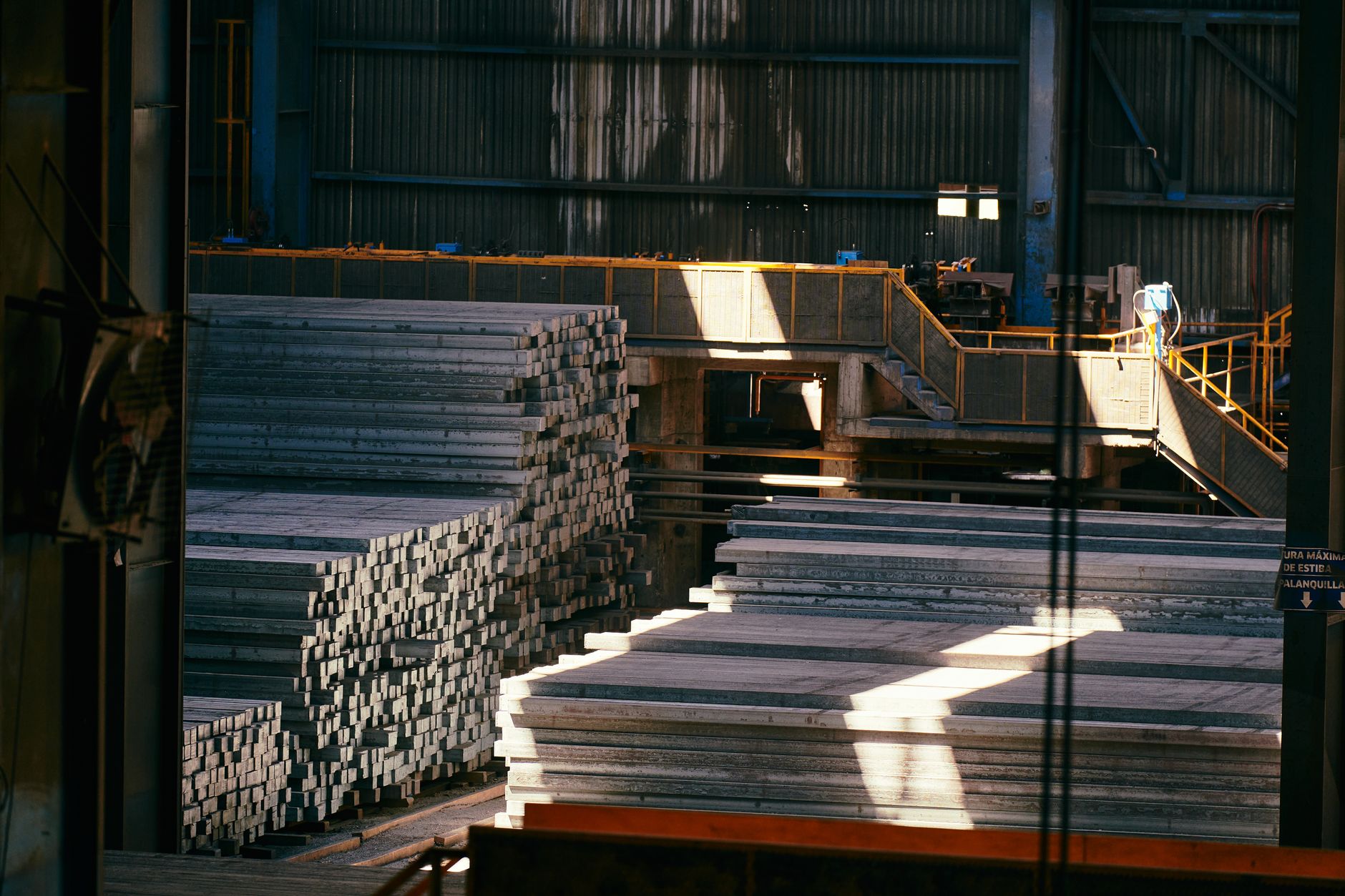
Suppliers that offer both forging ingots and continuous‑cast billets can help customers optimise inventory and eliminate extra processing steps. For example, sourcing a ready‑to‑forge billet removes the need for an additional rolling operation, cutting energy consumption and lead time.

Kesari Alloys Perspective

Kesari Alloys, an established Indian manufacturer of forging ingots, continuous‑cast billets and rolled bars, can provide the grade flexibility that buyers need in a volatile ore market. Its portfolio includes carbon, alloy and stainless‑steel ingots suitable for open‑die forging, ring rolling and upsetting, allowing engineers to select the most cost‑effective material without sacrificing quality.

Buyers should evaluate the total cost of ownership—raw‑material price, processing steps and inventory holding—when choosing between ingots, billets or rolled bars. Kesari Alloys’ extensive grade catalog steel grade family and its capability to supply forging ingots and continuous cast billets make it a practical partner for firms looking to stabilise supply chains amid fluctuating iron‑ore costs.
Why This Matters for Steel Buyers

The surge in iron‑ore prices raises the cost base for continuous‑cast billets and forging ingots. By locking in proven grades—such as EN8 for shafts or C45 for general‑purpose forging—buyers can hedge against further price swings while preserving the mechanical specifications required by their designs.

Choosing a supplier that offers both raw ingots and ready‑to‑forge billets gives manufacturers greater scheduling flexibility. It shortens lead times, reduces the number of handling steps and lowers inventory carrying costs, which is especially valuable when raw‑material prices are volatile.

Kesari Alloys’ continuous‑cast billets and blooms are engineered for ring rolling and upsetting, providing a streamlined path from melt to finished component. For specifications and applications, see Kesari Alloys’ rolled bars page.

Frequently Asked Questions

How does the rise in iron‑ore prices affect the cost of forging ingots?
Higher ore prices increase the raw material expense for ingot production, so manufacturers may pass on a modest price rise to buyers.
Which steel grades are best for cost‑sensitive forging applications?
Carbon steels such as EN8 and C45 provide adequate strength for many non‑critical parts while keeping material costs lower than high‑alloy grades.
Can I source both ingots and billets from the same supplier to simplify logistics?
Yes, sourcing both formats from a single manufacturer like Kesari Alloys helps align specifications and reduces handling complexity.
What should I look for in a forging‑grade steel supplier in India?
Look for a supplier with a broad grade portfolio, proven capability in open‑die forging, and the ability to deliver ingots, billets or rolled bars as required—attributes that Kesari Alloys offers.
#steel prices #forging ingots #alloy steel manufacturer india #continuous cast billets #iron ore cost impact
Source reporting: IndexBox · original article