Steel Prices

Rising Iron Ore Concentrate Prices Tighten Raw‑Material Margins for Indian Forging Steel

Rising Iron Ore Concentrate Prices Tighten Raw‑Material Margins for Indian Forging Steel

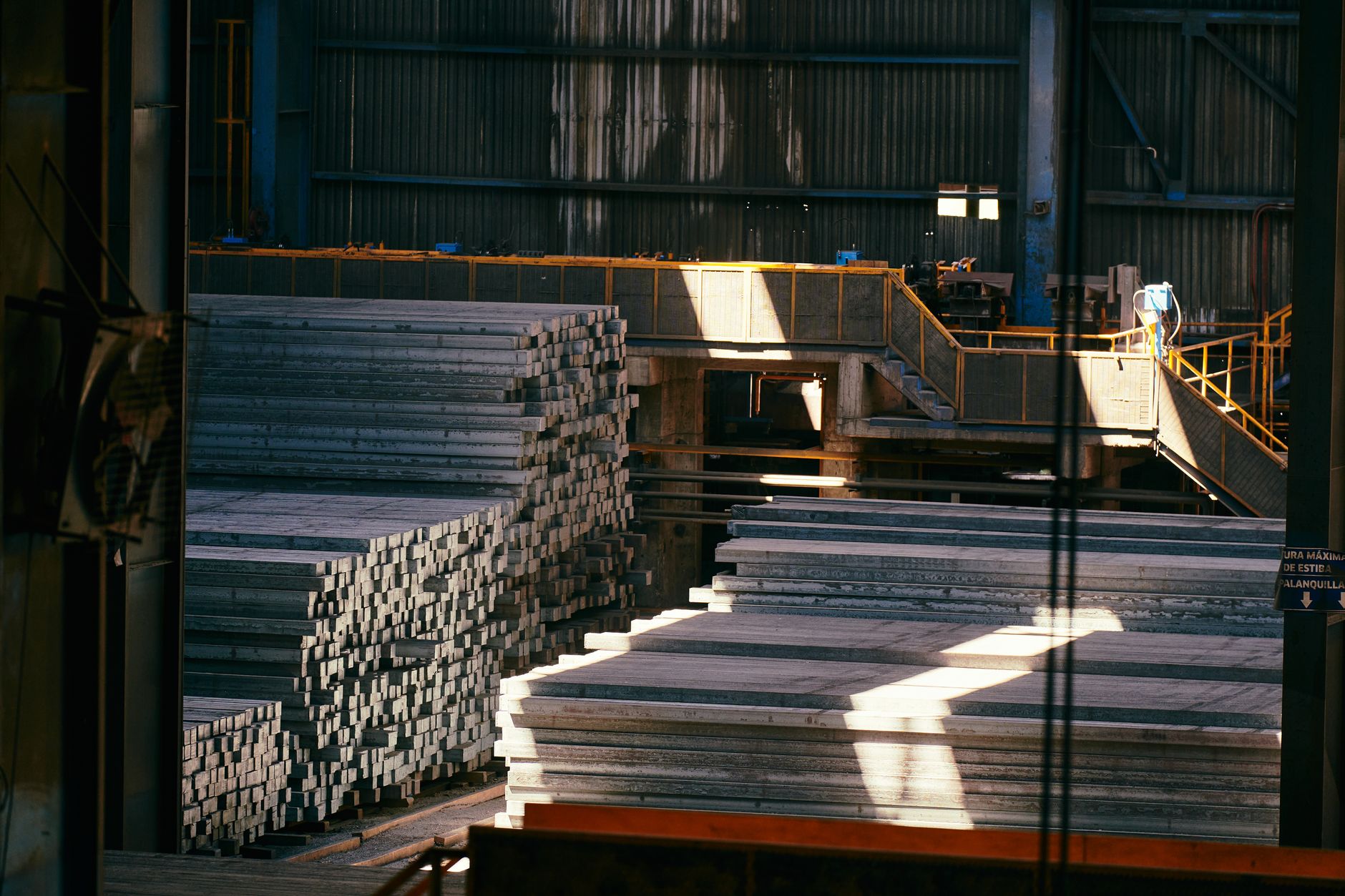
Photo: Daniel Dan / Pexels

Key Highlights

  • Iron ore concentrate premiums rose ~12 % after OMC auction support.
  • Higher ore costs pressure forging steel margins across automotive and heavy‑engineering sectors.
  • Selecting higher‑strength alloys can offset raw‑material price spikes by reducing material volume.
  • Kesari Alloys offers forging ingots and continuous cast billets that meet tight chemistry specs.
  • Buyers should weigh grade performance against ore‑price volatility when qualifying suppliers.

Market Shift: Iron Ore Concentrate Prices Surge

Recent OMC auctions have lifted iron‑ore concentrate premiums, and logistical bottlenecks at the eastern ports keep supply tight. The uplift—about 12 % over the past month—has begun to feed through to downstream steel producers that rely on domestic ore for their melt shops. For manufacturers of carbon and alloy steel forgings, the higher ore cost compresses margins unless it is offset by price adjustments or efficiency gains.

At the same time, the Indian steel sector is seeing a modest rebound in demand from the automotive and heavy‑engineering segments. This mixed environment forces forging OEMs to scrutinise every input – from raw‑material procurement to the selection of the most cost‑effective grade for a given component.

Implications for Forging Grade Selection

When ore costs rise, the economics of alloying become more pronounced. Grades that deliver superior strength‑to‑weight or better wear resistance can reduce the volume of material required, thereby offsetting higher feedstock expenses. For example, choosing a higher‑strength alloy steel for a crankshaft may allow a designer to reduce wall thickness without compromising fatigue life. Conversely, for non‑critical parts, a plain carbon steel such as EN8 can keep costs in check while still meeting specification.

Kesari Alloys Perspective

For a supplier like Kesari Alloys, the current ore‑price environment underscores the value of a broad grade portfolio and flexible product forms. Its forging ingots are produced to exact chemistry tolerances, enabling OEMs to select the optimal alloy—whether a high‑strength 42CrMo4 for automotive crankshafts or a robust EN8 for gear shafts—while managing raw‑material spend. Likewise, the continuous cast billets and blooms offer a cost‑effective feedstock for ring‑rolling operations, reducing the number of reheating cycles and associated energy use.

Buyers looking for an "alloy steel forging ingots manufacturer in India" should evaluate not only price but also the consistency of chemistry and the ability to supply heat‑treated billets that meet tight tolerances. Kesari Alloys’ long‑standing presence in Bhiwadi, Rajasthan, and its focus on sectors such as power, oil & gas, and heavy engineering make it a reliable partner for navigating the volatile ore market.
Why This Matters for Steel Buyers

The 12 % surge in ore‑concentrate prices adds roughly the same percentage to the raw‑material cost of carbon and alloy steel forgings. By selecting grades that provide weight savings or longer service life—such as high‑strength 42CrMo4 instead of a lower‑grade carbon steel—buyers can reduce the amount of metal per component and lower downstream machining, handling and maintenance expenses, partially offsetting the higher feedstock cost.

Consistent chemistry and documented heat‑treatment are also critical. Variations in alloy composition can force re‑work or premature failure, eroding any price advantage gained from a cheaper grade. Kesari Alloys’ steel grade family documentation gives buyers clear traceability from ingot to finished part, helping to safeguard quality and avoid costly interruptions in production.

Frequently Asked Questions

How does the rise in iron ore concentrate prices affect the cost of forging ingots?
Higher ore prices increase the raw‑material cost of steel, so forging ingots from alloy steels become more expensive unless the supplier can offset the cost through efficient processing.
Which steel grades are most cost‑effective when ore prices are high?
Plain carbon steels such as EN8 or C45 are generally cheaper, while high‑strength alloy grades like 42CrMo4 justify their price by allowing thinner sections and lower weight.
What should a buyer look for in a forging ingot supplier during price volatility?
Buyers should seek a supplier with a proven grade portfolio, tight chemistry control, and the ability to deliver continuous cast billets or ingots that match the required specifications – qualities offered by Kesari Alloys.
Can using continuous cast billets reduce overall production costs?
Yes, continuous cast billets and blooms reduce reheating cycles and material waste, helping to offset higher raw‑material prices.
#steel prices india #alloy steel manufacturer india #forging ingots #continuous cast billets #raw material cost #industrial steel sourcing
Source reporting: BigMint · original article