Exports & Global Markets

Manganese Ore Surge Boosts Alloy Steel Export Outlook in India

Manganese Ore Surge Boosts Alloy Steel Export Outlook in India

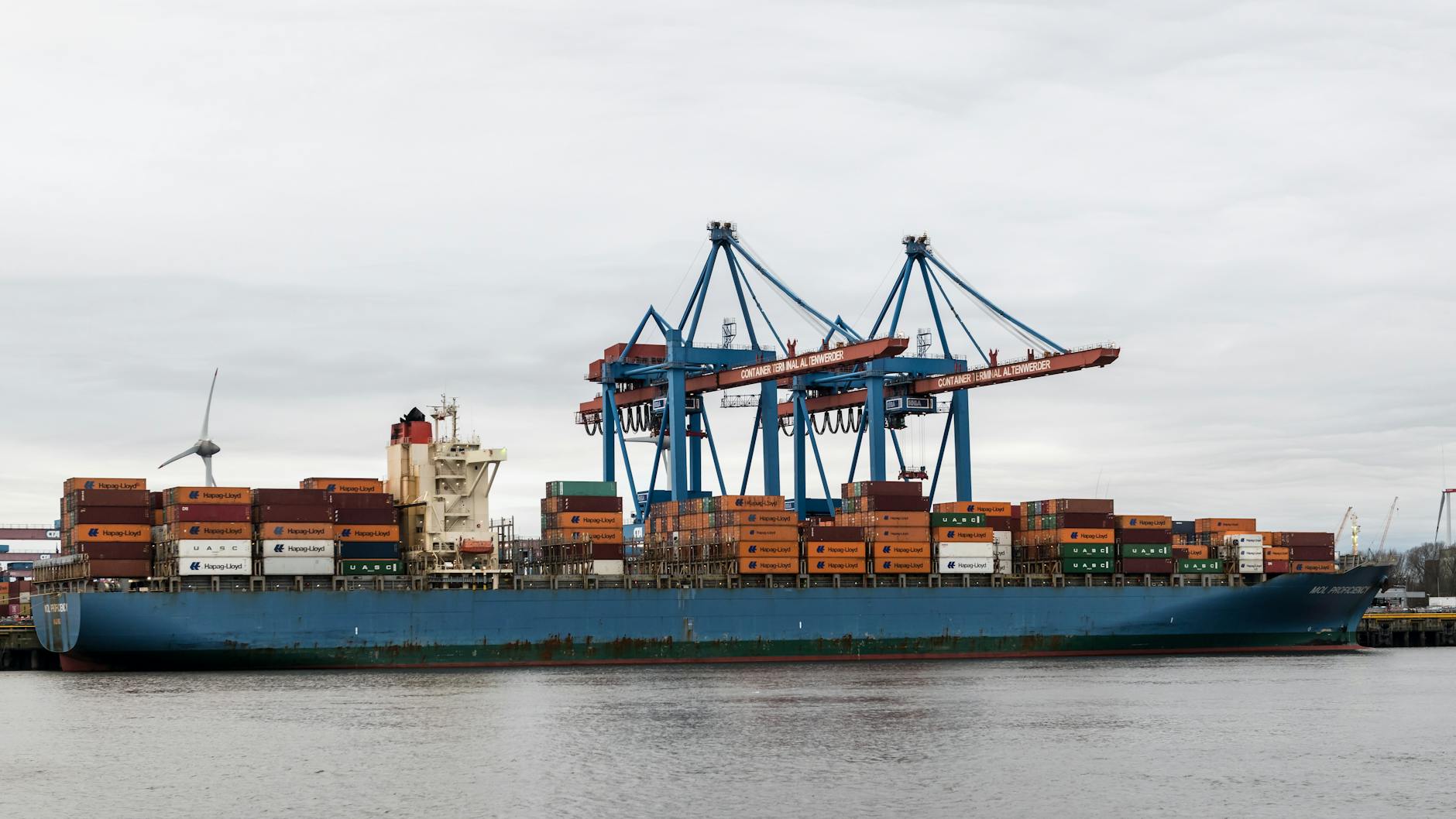
Photo: Wolfgang Weiser / Pexels

Key Highlights

  • India's manganese ore imports up 40% YoY in H1 FY27.
  • Higher Mn availability stabilises alloy chemistry for forging grades.
  • Cost pressure on alloy steel exports may ease as ore prices moderate.
  • Buyers should verify manganese content in forging ingots to avoid re‑work.
  • Kesari Alloys offers a full suite of alloy ingots suited to the new market dynamics.

Market Shift: Manganese Ore Imports Surge

India’s manganese ore imports rose 40% year‑on‑year in the first half of FY27, driven by a steep rise in alloy‑steel exports and tighter demand for high‑grade ore. OEMs are seeking stronger, wear‑resistant alloys for power‑train and heavy‑engineering components, where manganese boosts hardenability and tensile strength.

For forging houses, the greater ore availability translates into more stable alloy chemistry, especially for grades such as 42CrMo4 and SAE4140 alloy steel. Precise Mn content helps meet heat‑treatment specifications and reduces the risk of batch‑to‑batch variation that can trigger costly re‑work in open‑die forging or ring‑rolling operations.

Implications for Forging Supply Chains

With manganese prices expected to moderate, the cost base for alloy‑ingot production may ease, but buyers must still scrutinise each supplier’s melt‑track record. Consistent Mn levels are essential for achieving the mechanical properties required in automotive crankshafts, gearboxes and pressure‑vessel components. Companies that can source ingots with tight chemistry control will gain a competitive edge.

Domestic manufacturers such as Kesari Alloys, which offers a broad portfolio of alloy forging ingots, are well‑positioned to meet this demand. Their ability to supply grades that benefit from the manganese uplift—like SAE4140—helps OEMs lock in performance without compromising lead times.

Kesari Alloys Perspective

For a forging‑grade steel producer, the manganese import surge signals a healthier raw‑material market, enabling more predictable pricing for alloy ingots and billets. Kesari Alloys can leverage its extensive grade portfolio and its forging ingots offering to provide the precise Mn‑controlled alloys that downstream fabricators require. Buyers should evaluate a supplier’s ability to trace manganese content back to the melt, ensuring compliance with heat‑treatment targets and reducing the need for excess inventory buffers.

In practice, specifying a grade such as 42CrMo4 from a reputable source and confirming manganese specifications can streamline procurement for high‑strength components, aligning with the broader trend of expanding alloy exports from India.

Why This Matters for Steel Buyers

The manganese influx directly improves the consistency of alloy grades used in critical forging applications. Stable Mn levels make heat‑treatment cycles more predictable, which lowers scrap rates and reduces inventory‑holding costs.

Buyers planning new projects should prioritize suppliers that provide detailed melt‑track data and can deliver grades like continuous cast billets and blooms with verified manganese chemistry. This guarantees that downstream forging and machining operations stay on schedule and within budget.

Frequently Asked Questions

How does manganese content influence the performance of alloy forging ingots?
Manganese improves hardenability and tensile strength; consistent Mn levels are essential for achieving target mechanical properties in heat‑treated forgings.
What should buyers look for when qualifying a forging steel supplier after the manganese import surge?
Verify melt‑track records, manganese assay reports, and the supplier’s ability to supply grades like SAE4140 or 42CrMo4 with tight chemistry control.
Can Kesari Alloys meet the demand for high‑Mn alloy grades required by automotive OEMs?
Yes, Kesari Alloys produces alloy forging ingots and continuous cast billets that include manganese‑controlled grades suitable for automotive and heavy‑engineering applications.
Is there a benefit to sourcing continuous cast billets versus ingots for ring‑rolling operations?
Billets provide a more uniform grain structure and can reduce forging passes, which is advantageous when precise Mn content is needed for consistent ring‑rolling results.
#manganese ore imports #alloy steel manufacturer india #forging ingots #continuous cast billets #steel grade selection
Source reporting: BigMint · original article