Company Updates

Hindustan Zinc’s New VedAZ & VedAyush Alloys Shift Zinc Market Dynamics

Hindustan Zinc’s New VedAZ & VedAyush Alloys Shift Zinc Market Dynamics

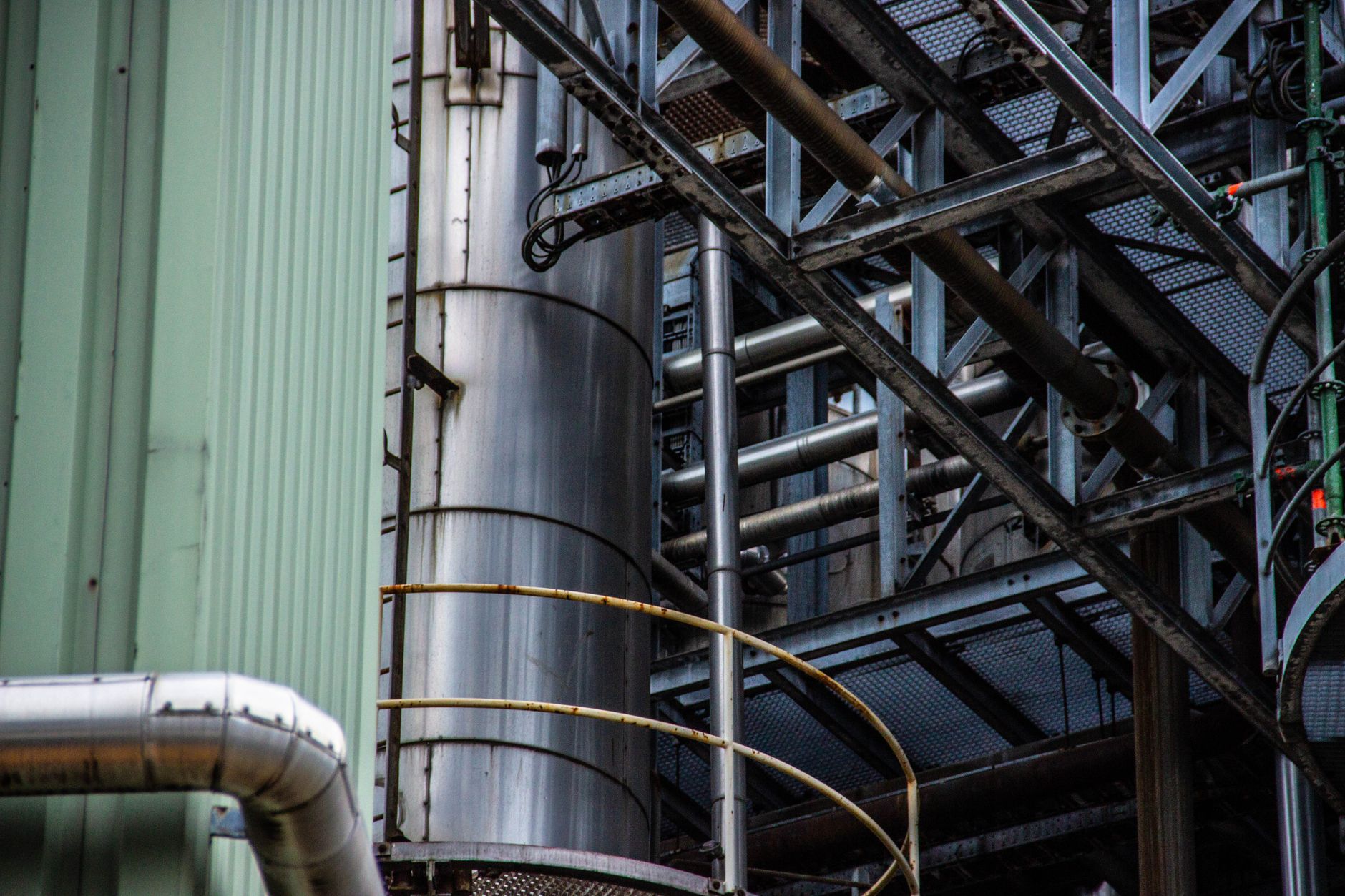
Photo: Mr Dr3igeteilt / Pexels

Key Highlights

  • Hindustan Zinc launches VedAZ and VedAyush targeting lightweight automotive and renewable‑energy parts
  • Zinc alloys excel in castability but lack the high‑temperature strength of traditional forging steels
  • Steel forging grades such as 42CrMo4 and SAE4140 remain essential for high‑stress applications
  • Kesari Alloys provides a full range of forging ingots and alloy steel grades to support hybrid material strategies
  • Buyers must evaluate strength, heat‑treatment, and cost when choosing between zinc alloys and steel

Market Shift from Zinc‑Based Alloys

The introduction of VedAZ and VedAyush by Hindustan Zinc signals a strategic push toward higher‑value applications such as automotive lightweighting and renewable‑energy components. These zinc‑rich alloys offer improved castability, corrosion resistance, and tensile strength, positioning them as viable competitors to traditional steel‑based forging materials in select niche segments.

For OEMs and forging houses, the key question is how these alloys influence material selection for open‑die forging, ring rolling, and upsetting operations. While zinc alloys excel in low‑temperature casting, they generally lack the high‑temperature strength required for heavy‑duty forged components. Consequently, many manufacturers will continue to rely on proven alloy steel grades for critical load‑bearing parts, supplementing them with zinc‑based solutions only when weight savings outweigh strength demands.

Implications for Steel Forging Suppliers

Steel producers must reassess their grade portfolios to ensure they meet the evolving performance‑to‑weight ratios sought by downstream users. Offering a broad spectrum of alloy steels—such as high‑strength 42CrMo4 or versatile SAE4140—allows suppliers to address both traditional forging requirements and the emerging need for hybrid designs that combine steel cores with zinc‑based outer layers.

Buyers evaluating alternatives should compare the mechanical properties, heat‑treatment cycles, and cost‑per‑kilogram of the new zinc alloys against established steel grades. In many cases, the proven reliability of steel forging ingots remains the decisive factor for high‑stress applications.

Kesari Alloys Perspective

Kesari Alloys, with its extensive catalog of carbon, alloy and stainless steel forging ingots, is well‑positioned to serve customers navigating this transition. Our forging ingots are engineered for open‑die forging, ring rolling and upsetting, delivering the high‑temperature strength that zinc alloys cannot yet match. At the same time, our portfolio includes grades like SAE4140 alloy steel and 42CrMo4 alloy steel, which provide the tensile strength and fatigue resistance needed for critical components.

For buyers looking for an "alloy steel forging ingots manufacturer in India", Kesari Alloys offers the material consistency and grade depth to complement any strategy that incorporates new zinc alloys while preserving the integrity of load‑bearing steel parts.

Why This Matters for Steel Buyers

The entry of zinc‑based alloys creates a parallel material path that can reduce weight but may require redesign of forging processes. Procurement teams need to assess whether the cost savings from lighter components offset the potential need for additional processing steps or hybrid assemblies.

When qualifying suppliers, buyers should verify that the steel partner can deliver grades with consistent chemistry and mechanical properties, especially for critical forging operations. Kesari Alloys’ continuous cast billets and blooms provide a reliable upstream source that can be rolled or forged into final parts, ensuring supply continuity alongside any new zinc alloy sourcing.

Frequently Asked Questions

What advantages do VedAZ and VedAyush offer over traditional steel alloys?
They provide higher castability and lower density, which can reduce part weight, but they generally have lower high‑temperature strength compared to alloy steels.
Can zinc alloys replace steel in high‑stress forging applications?
Not typically; for high‑stress or high‑temperature parts, alloy steels such as 42CrMo4 or SAE4140 remain the preferred choice.
How does Kesari Alloys support customers who need both steel and zinc solutions?
Kesari Alloys supplies a broad range of forging ingots and alloy steel grades that can be combined with zinc‑based components to create hybrid designs meeting weight and strength targets.
What should a buyer look for when selecting a forging ingot supplier in India?
Buyers should verify the supplier’s grade portfolio, consistency of chemistry, capability for open‑die forging, ring rolling and upsetting, and track record of delivering to automotive, power and heavy‑engineering sectors.
#zinc alloys #steel forging #alloy steel manufacturer india #forging ingots #automotive lightweighting #industry update
Source reporting: Times of India · original article