Steel Prices

EU Carbon Border Tax Raises Cost Pressure on Steel Forging Supply Chain

EU Carbon Border Tax Raises Cost Pressure on Steel Forging Supply Chain

Image: pressinsider.com

Key Highlights

  • EU CBAM adds a carbon surcharge on imported steel, increasing landed cost.
  • Combined with existing 50% anti‑dumping duties, European manufacturers face 8‑12% price hikes.
  • Buyers will prioritize suppliers with lower embodied carbon and transparent processes.
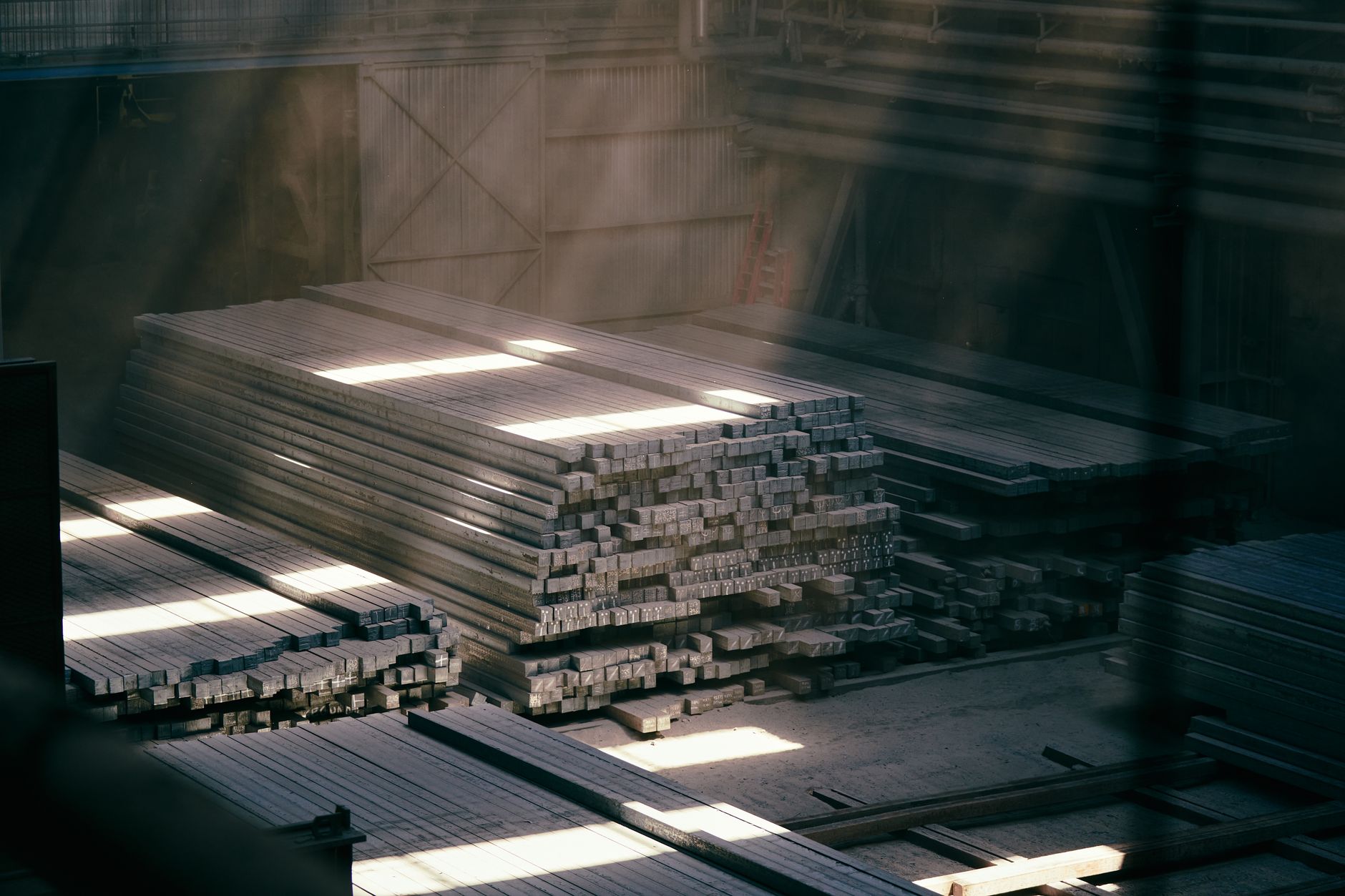
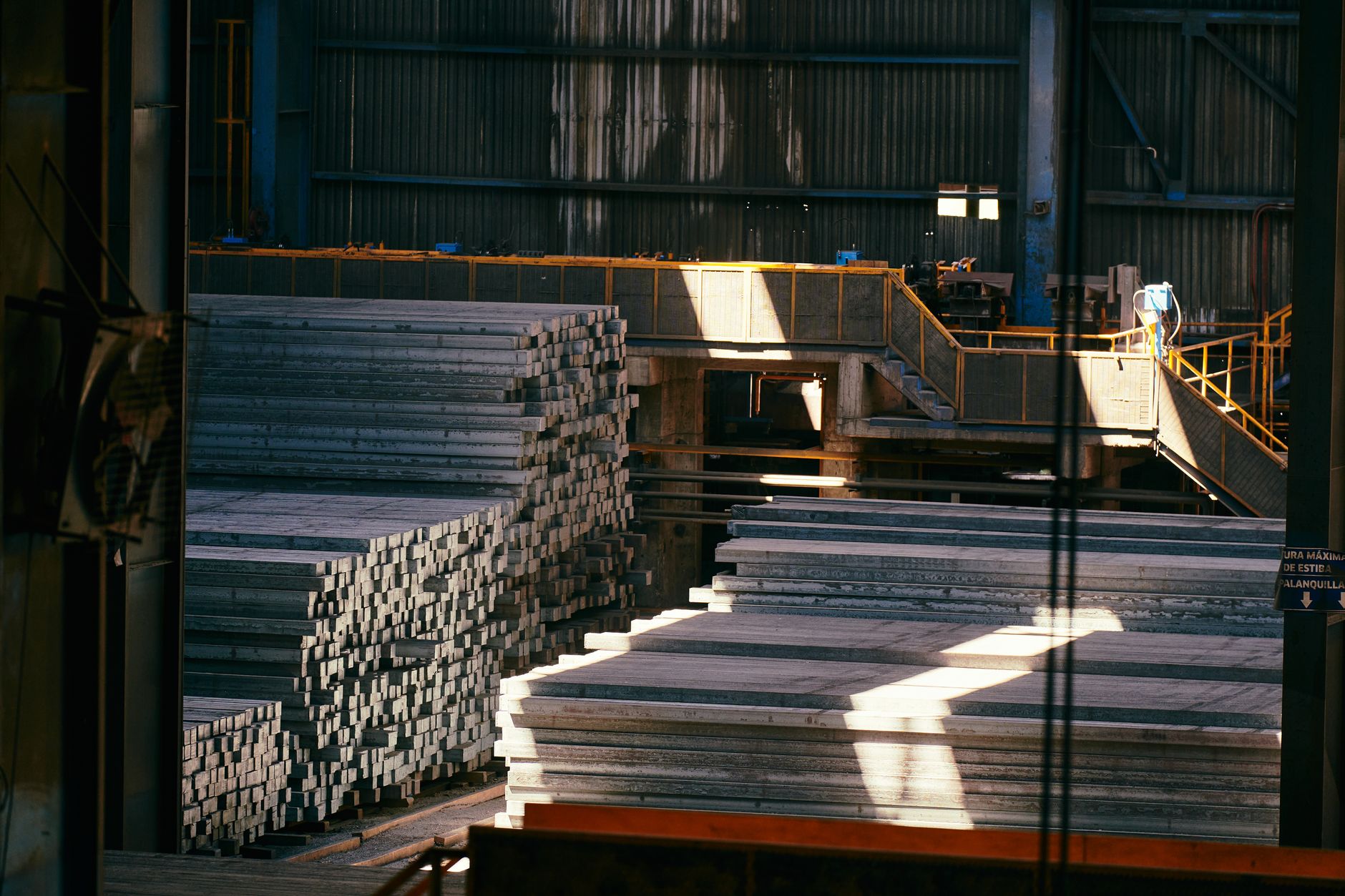
  • Continuous cast billets and blooms provide a carbon‑efficient entry point for forging.
  • Kesari Alloys offers a full grade family and can supply detailed carbon‑footprint data.

Impact of the EU Carbon Border Adjustment on Steel Pricing

The European Union’s new carbon border adjustment mechanism (CBAM) adds a carbon‑related surcharge to imported steel, on top of an existing 50 % anti‑dumping duty. For OEMs and distributors that source alloy and carbon steel from outside the EU, the combined levy raises landed cost by roughly 8‑12 %, depending on the carbon intensity of the grade. The policy also nudges downstream users toward low‑carbon domestic products, reshaping the competitive landscape for forging‑grade steels.

Many high‑strength forging grades—such as 42CrMo4 or EN8—are produced from ingots that undergo open‑die forging or ring‑rolling. The extra carbon charge can therefore erode margins on components like crank‑shafts, gear blanks and pressure‑vessel flanges. Buyers will need to recalculate total cost of ownership, balancing the carbon surcharge against material performance and inventory strategies.

Strategic Sourcing Adjustments for Forging Companies

Forward‑looking purchasers are increasingly seeking suppliers who can demonstrate a lower embodied carbon footprint. Indian manufacturers that use continuous casting and efficient heat‑treatment cycles can provide a more transparent carbon profile. For example, sourcing continuous cast billets and blooms from a reputable producer enables tighter control of alloy chemistry while limiting energy consumption before the forging stage.

The shift may also accelerate adoption of alternative grades with inherently lower emissions, such as low‑alloy steels that achieve required strength with reduced alloying elements. Buyers should consider dual‑sourcing strategies to mitigate both geopolitical and regulatory risk.

Kesari Alloys Perspective

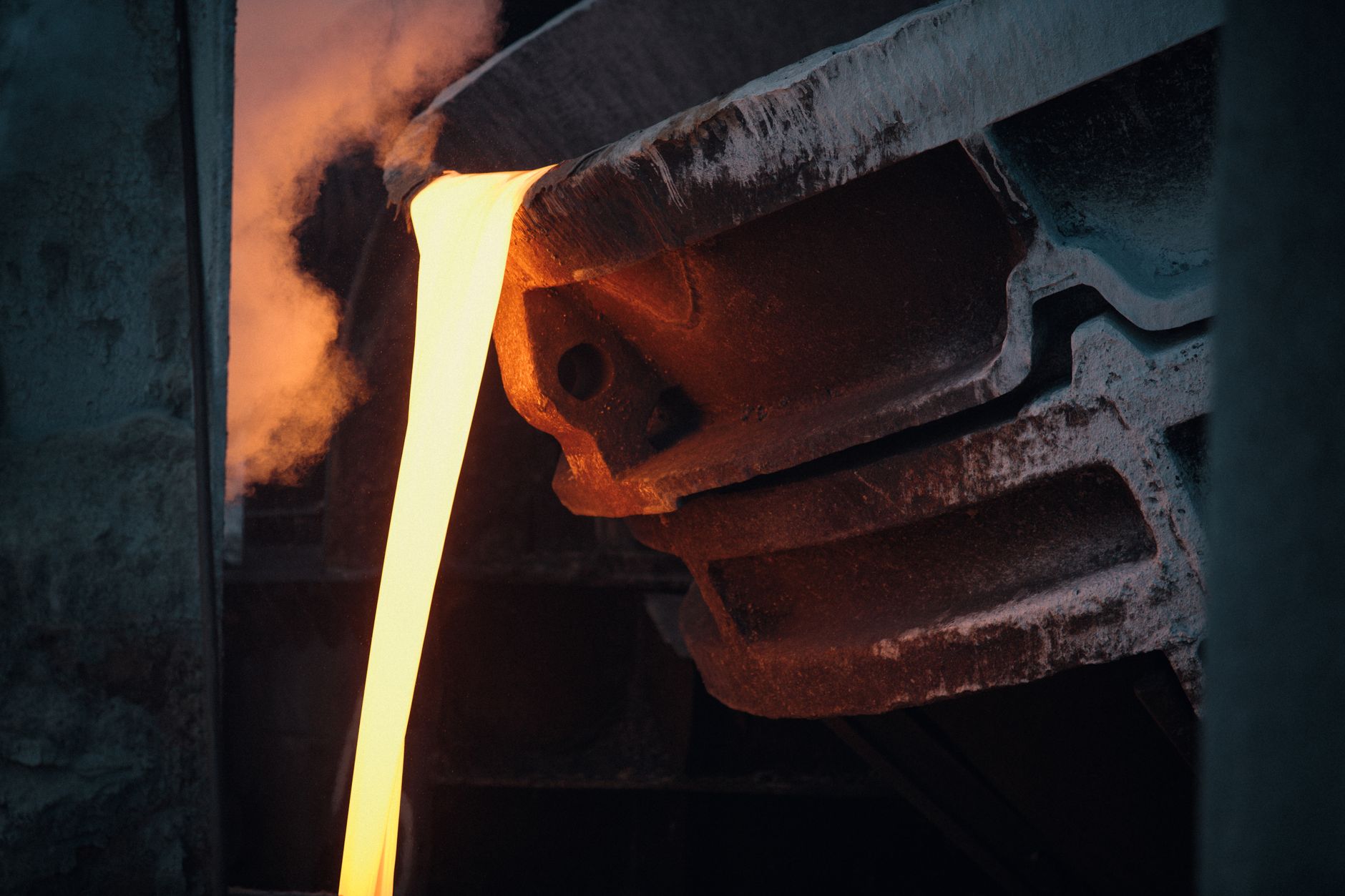
Kesari Alloys, an established Indian manufacturer of forging ingots, billets and rolled bars, is positioned to help customers navigate the CBAM impact. Its portfolio of carbon, alloy and stainless steel forging ingots forging ingots is produced under controlled processes that can be audited for carbon intensity. By offering a broad steel grade family, Kesari enables engineers to select the exact chemistry needed for a given application, potentially avoiding over‑specification and unnecessary carbon penalties.

For buyers seeking an "alloy steel forging ingots manufacturer in India" that can provide detailed material certifications and carbon‑footprint data, Kesari’s integrated supply chain—from continuous‑cast billets to finished rolled bars—offers a single‑source solution that aligns with both performance and sustainability goals.
Why This Matters for Steel Buyers

The carbon surcharge forces purchasers to embed emissions costs into their total price calculations. Selecting grades with optimal strength‑to‑weight ratios—such as EN8 carbon steel—reduces material volume and, consequently, the carbon fees attached to each tonne.

Reliable suppliers that can substantiate lower process emissions become strategic partners, because they help buyers protect margins while meeting regulatory requirements. Buyers should also reassess inventory strategies; securing steel before the CBAM reaches full implementation can lock in pre‑tax pricing and avoid future price volatility.

When qualifying a new supplier, request carbon‑intensity reports alongside standard chemical certifications. Kesari Alloys’ C45 carbon steel page demonstrates how grade‑specific data can be used to quantify emissions and make more informed sourcing decisions.

Frequently Asked Questions

How does the EU carbon border tax affect the cost of forging ingots?
The tax adds a surcharge based on the carbon intensity of the ingot’s production, raising the landed price for imported forging ingots.
Can sourcing continuous cast billets reduce carbon-related costs?
Yes, continuous casting is generally more energy‑efficient than traditional ingot casting, helping lower the carbon footprint before forging.
What should I ask a supplier like Kesari Alloys to verify carbon compliance?
Request a detailed carbon‑footprint report, process energy data, and certification that links the grade you need to the specific manufacturing steps.
Is it advisable to hold inventory of grades like EN8 before the CBAM fully applies?
Holding pre‑tax inventory can lock in current pricing and avoid the immediate impact of the surcharge, but buyers must balance storage costs against potential savings.
#eu carbon tax #steel pricing #alloy steel manufacturer india #forging ingots #continuous cast billets
Source reporting: pressinsider.com · original article