Market Outlook
Shanghai Metals Market notes that iron‑ore prices in China’s Shandong province are entering a consolidation phase after a volatile spring. The dip in raw‑material costs should ease the upward pressure on hot‑rolled coil and billet prices that many downstream users have felt since early 2024. For OEMs and forging houses, a steadier ore‑price curve translates into more predictable steel‑mill margins and, ultimately, less erratic pricing for alloy and carbon‑steel grades.
Implications for Forging‑Grade Steels
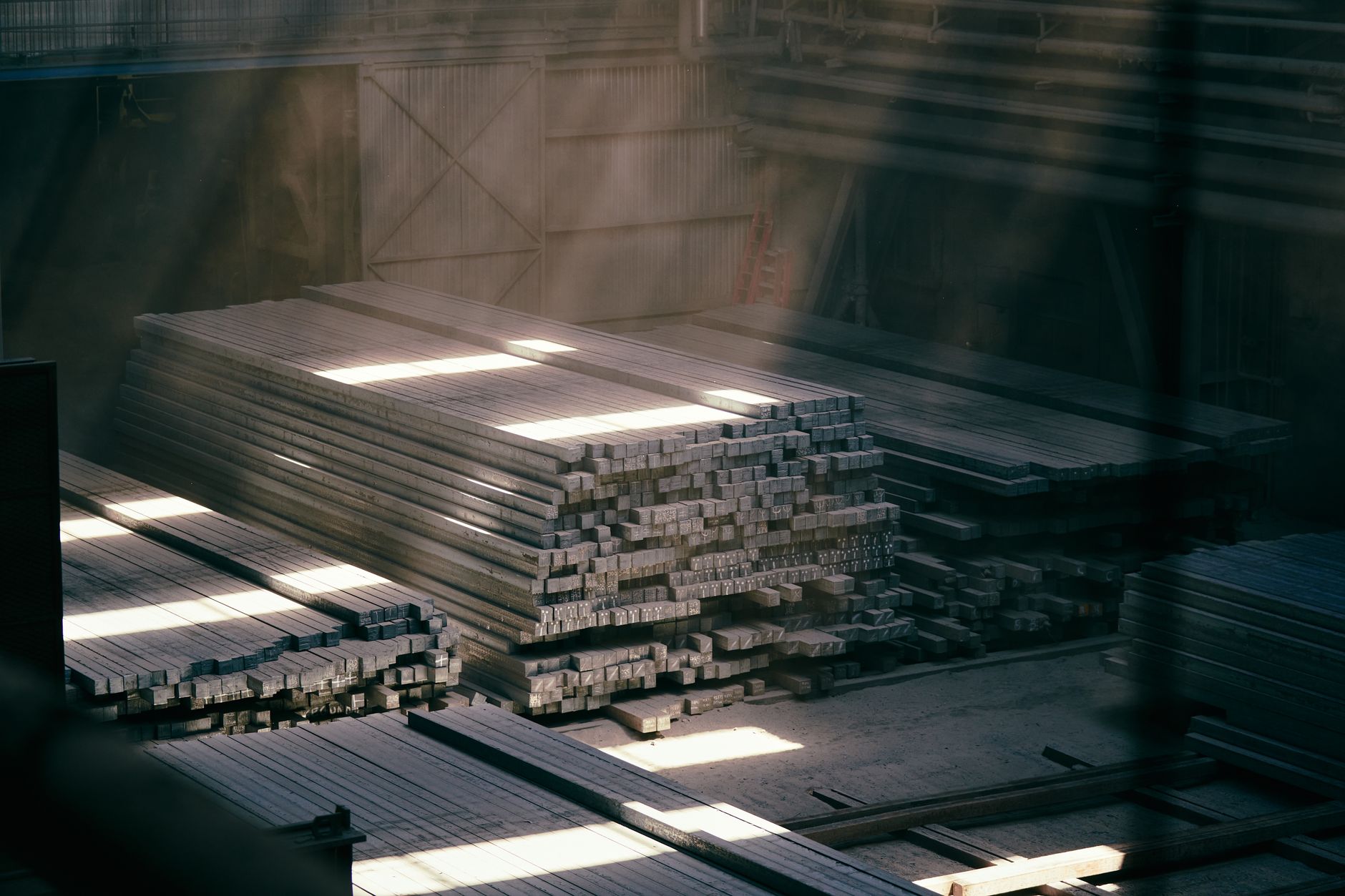
When ore costs level off, steel producers can fine‑tune furnace charge mixes, which improves the consistency of grades used in open‑die forging, ring rolling and upsetting. Buyers of high‑strength alloy ingots such as 42CrMo4 or SAE 4140 will see tighter spreads between alloy and base carbon grades, making it easier to balance cost against performance. A stable ore market also supports the steady production of continuous‑cast billets that feed downstream rolling mills, preserving quality for shafting and precision components.
Suppliers with a broad portfolio of forging ingots and billets can help customers lock in the right grade at a predictable price. For example, a manufacturer that offers both forging ingots and continuous cast billets can serve the entire value chain—from raw billet to finished forged part—reducing the need for multiple contracts and simplifying inventory planning.
Kesari Alloys Perspective
For a domestic producer like Kesari Alloys, consolidation in Shandong’s ore market reinforces the advantage of sourcing raw material locally and maintaining a diversified grade catalogue. Customers seeking reliable supply of carbon and alloy steel forging ingots benefit from Kesari Alloys’ long‑standing presence in Bhiwadi, where stable input costs keep quote volatility low.
Buyers should evaluate the full suite of offerings—whether they need ingots for open‑die forging, billets for ring rolling, or rolled bars for shafting. Aligning procurement with a supplier that can provide consistent chemistry across grades helps OEMs mitigate the ripple effects of any future ore‑price swings.