Market Shift Overview
During the week of 19‑25 October 2026, the Metal‑On‑Carbon (MOC) index recorded a modest decline in average steel prices across China’s major hot‑rolled and billet markets. The pull‑back stems from softened automotive demand and a temporary oversupply of low‑alloy billets following a surge in domestic production. Although the slide is typically only 0.5‑1 %, it is sufficient to make OEMs and forging houses reassess price‑risk strategies and inventory positioning.
For buyers of high‑integrity forging grades, the easing creates a brief window to lock in raw material at more attractive levels before the market readjusts for the seasonal demand spike expected in Q4‑2026. The key question is whether the lower price will still deliver the required chemical consistency for open‑die and ring‑rolling applications.
Implications for Forging‑Grade Steel Procurement
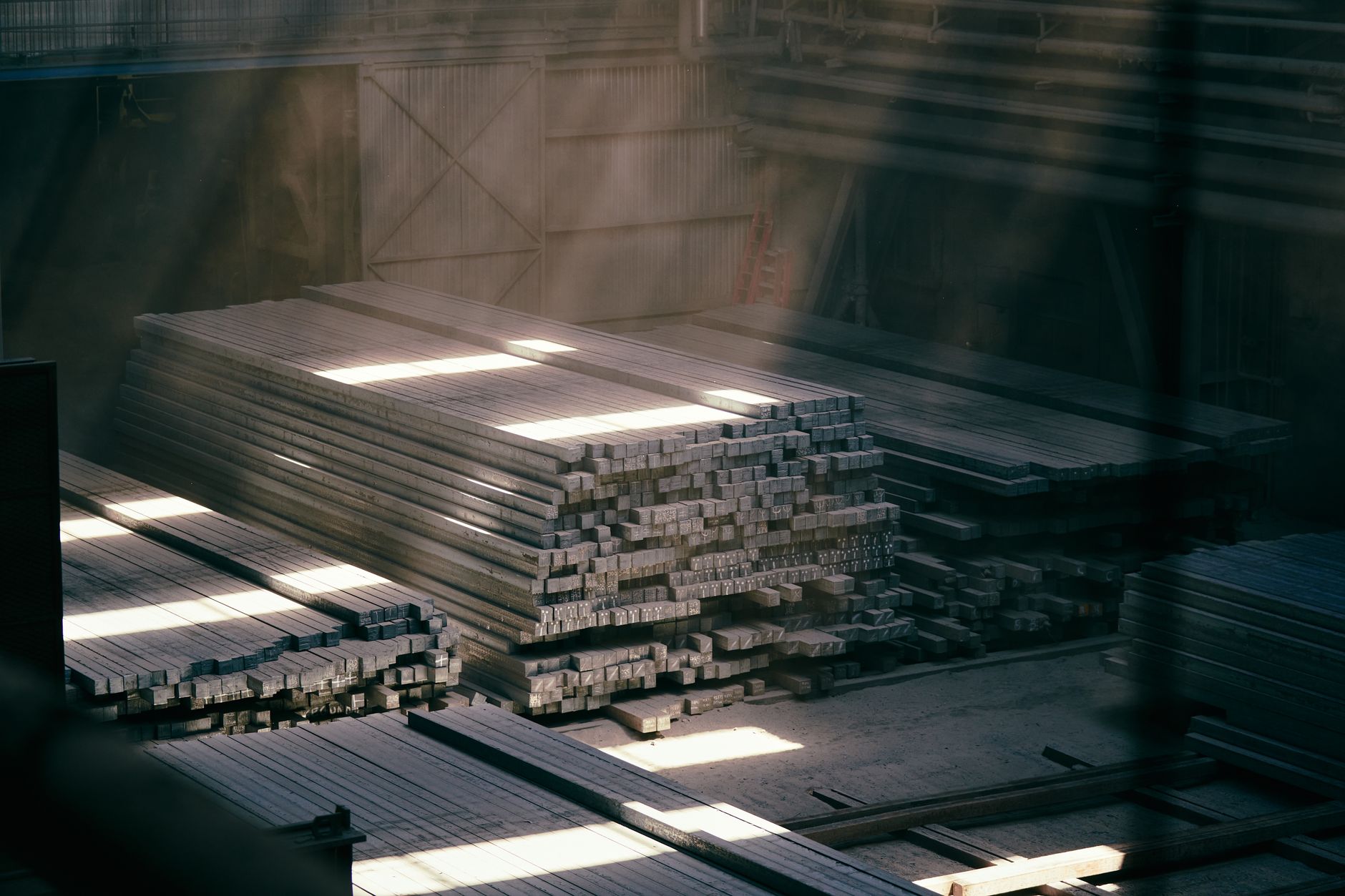
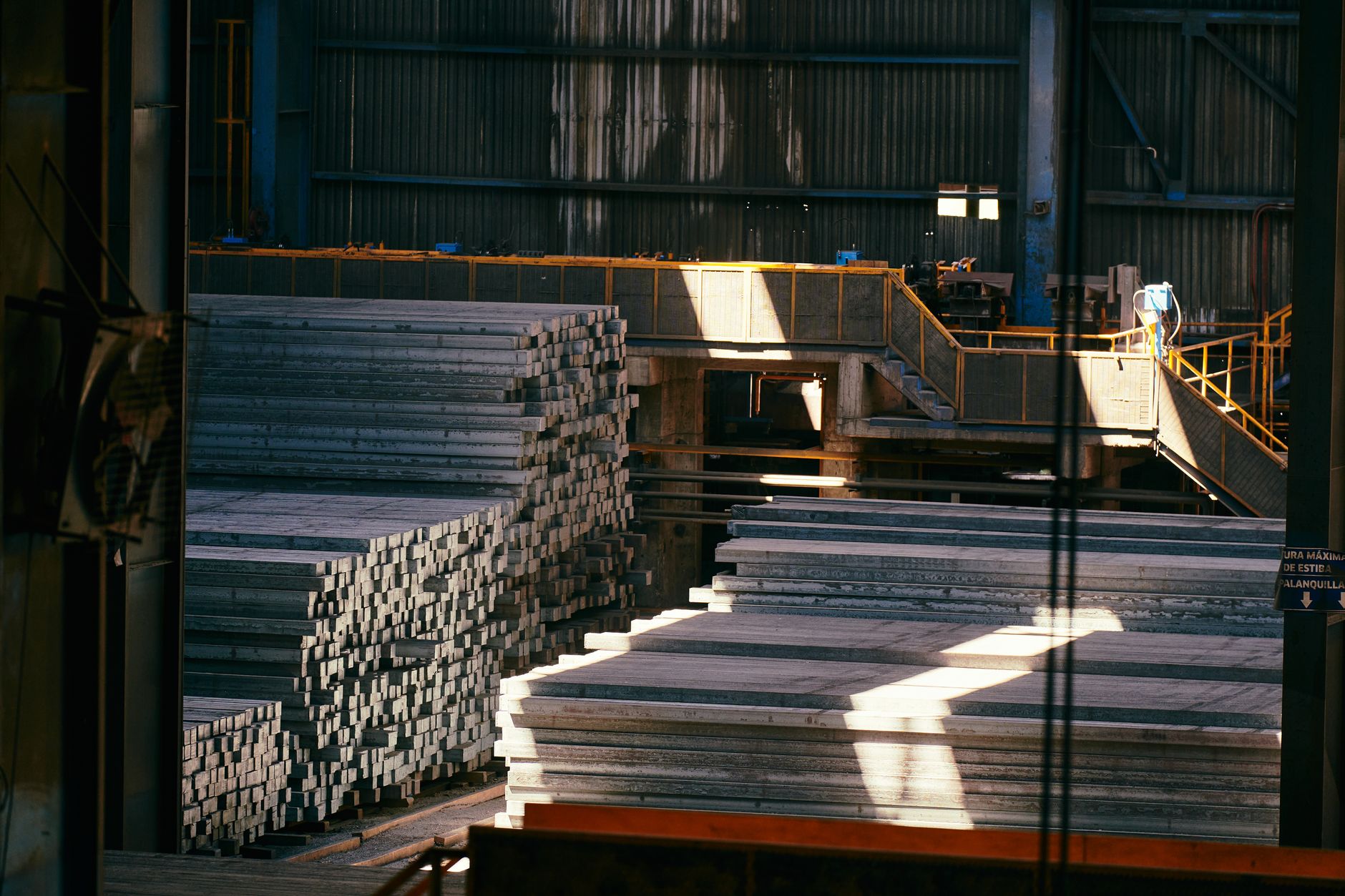
When evaluating suppliers, buyers should prioritize manufacturers that offer a broad grade portfolio and traceable forging‑ready forms. Kesari Alloys, an established Indian producer, supplies carbon, alloy and stainless steel forging ingots that meet the stringent specifications required for open‑die forging, ring rolling and upsetting. Their extensive grade list—including classic automotive and power‑generation alloys—helps engineers match material properties to design requirements without juggling multiple vendors. For example, the forging ingots line provides ready‑to‑heat‑treat billets that reduce handling steps and improve yield.
Many customers also source continuous‑cast billets and blooms for downstream ring‑rolling. Kesari Alloys’ continuous cast billets and blooms are produced to tight dimensional tolerances, supporting a smooth transition from casting to forging. For projects that need finished shafting or precision bars, the company’s rolled bars portfolio offers a direct path from billet to final component, cutting lead times.
Kesari Alloys Perspective
The recent price dip in China underscores the advantage of diversifying the supply base beyond the traditional Asian hot‑rolled market. As an "alloy steel forging ingots manufacturer in India," Kesari Alloys can provide competitive pricing while maintaining strict grade control—essential when marginal cost savings must not compromise mechanical performance. Buyers should evaluate total cost of ownership, including melt‑track records, heat‑treatment capabilities and logistical lead times, when selecting forging‑grade steel.
Strategically, the modest correction offers an opportunity to lock in inventory of key grades such as C45 or EN8 at lower cost, provided downstream demand remains robust. Leveraging Kesari Alloys’ integrated product range—from ingots to billets to rolled bars—helps maintain a consistent material flow and reduces the risk of inadvertent grade substitutions.