Steel Prices

Africa's 400 Series Stainless Steel Outlook to 2035: Demand, Pricing and Supply Gaps

Africa's 400 Series Stainless Steel Outlook to 2035: Demand, Pricing and Supply Gaps

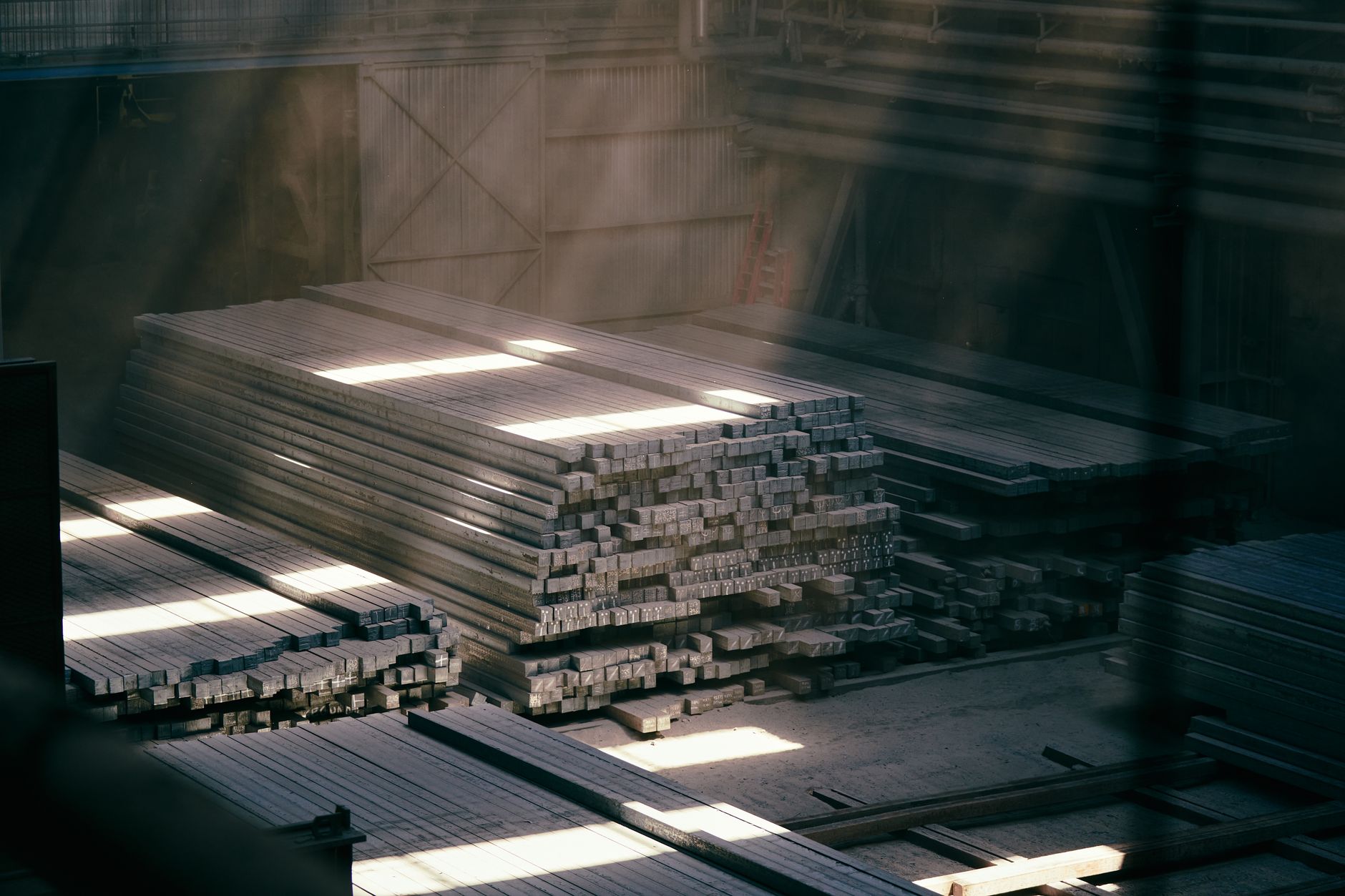
Photo: Bas Geerlings / Pexels

Key Highlights

  • Africa's 400 series stainless steel market expected to grow ~4% CAGR to 2035.
  • Price pressure from nickel and chromium supply constraints.
  • Open‑die forging and ring‑rolling are the preferred processes for valve and pump components.
  • Indian manufacturers are emerging as cost‑effective alternatives to Chinese exporters.
  • Kesri Alloys offers a full suite of forging ingots, billets and rolled bars for the 400 series.

Market Dynamics and Outlook

The 400‑series stainless steels—chiefly 410, 420 and 430—are gaining momentum in Africa’s mining, oil‑and‑gas and infrastructure projects. IndexBox forecasts a compound annual growth rate of about 4 % through 2035, spurred by new green‑field mines and the continent’s drive to fabricate pressure vessels locally. Price volatility is likely as global nickel and chromium supplies tighten, while regional import duties create price differentials between East and West Africa.

For OEMs and distributors, the implication is clear: secure material that satisfies both the corrosion‑resistance requirements of the 400 series and the mechanical demands of forging or ring‑rolling. Stainless‑steel forging ingots that can be upset or rolled into rings are especially valuable for valve bodies, pump casings and turbine components. Buyers should therefore prioritize manufacturers offering a broad grade portfolio and proven open‑die forging capability.

Supply Chain Shifts

China remains the dominant exporter of 400‑series billets, but rising freight costs and stricter environmental regulations are prompting buyers to diversify. Indian producers are stepping up, leveraging domestic chromium‑smelting capacity and proximity to African ports. An Indian supplier that can provide both continuous‑cast billets and downstream rolled bars delivers a seamless supply chain, reducing handling and heat‑treatment steps.

In this context, a buyer seeking reliable stainless‑steel forging ingots should evaluate the supplier’s ability to deliver consistent chemistry, traceability and documented heat‑treatment records. Access to matching rolled bars for final machining can also shorten lead times.

Kesari Alloys Perspective

Kesari Alloys, based in Bhiwadi, Rajasthan, manufactures stainless‑steel forging ingots suitable for open‑die forging, ring rolling and upsetting, aligning with the mechanical profiles demanded by Africa’s expanding 400‑series market. Their product range includes the full spectrum of stainless grades, enabling customers to select the exact corrosion and strength characteristics required for pressure‑vessel and heavy‑engineering applications.

Because Kesari Alloys also supplies continuous‑cast billets and rolled bars, a project can source the entire material chain from a single Indian manufacturer, simplifying logistics and ensuring consistent quality across forging and final‑machining stages. Buyers searching for an "alloy steel forging ingots manufacturer in India" will find Kesari Alloys’ grade portfolio and process expertise directly relevant to the forecasted African demand.
Why This Matters for Steel Buyers

The projected demand surge means procurement teams must lock in supply early to avoid later price spikes. Choosing a supplier that offers both forging ingots and downstream rolled bars eliminates the need for multiple contracts and reduces inventory‑holding costs.

For projects that require precise chemistry—such as 410 stainless for high‑temperature service—buyers should confirm that the manufacturer’s grade certification complies with ASTM A240 or EN 10088 standards. A partner like forging ingots that documents its heat‑treatment process can streamline supplier qualification.

Finally, sourcing from an Indian producer with logistics hubs near Indian ports can cut lead times to African ports by 15‑20 %, a decisive advantage when project schedules are tight.

Related from Kesari Alloys: continuous cast billets and blooms, rolled bars.

Frequently Asked Questions

What grade of stainless steel is best for high‑temperature valve bodies in Africa?
Grade 410 stainless steel offers good oxidation resistance and strength at elevated temperatures, making it a common choice for valve bodies.
Can I source both forging ingots and finished bars from the same supplier?
Yes, manufacturers like Kesari Alloys provide both forging ingots and rolled bars, allowing a single source for the entire material chain.
How does importing from India compare to China for 400 series stainless steel?
India offers competitive pricing, shorter freight routes to East Africa and a growing domestic chromium base, which can reduce overall landed cost compared with China.
What should I verify when qualifying a new stainless steel supplier?
Check the supplier’s grade certification, heat‑treatment records, and ability to deliver both ingots and downstream products such as billets or bars; Kesari Alloys provides these capabilities.
#stainless steel africa #400 series market #forging ingots #alloy steel manufacturer india #steel pricing forecast
Source reporting: IndexBox · original article